



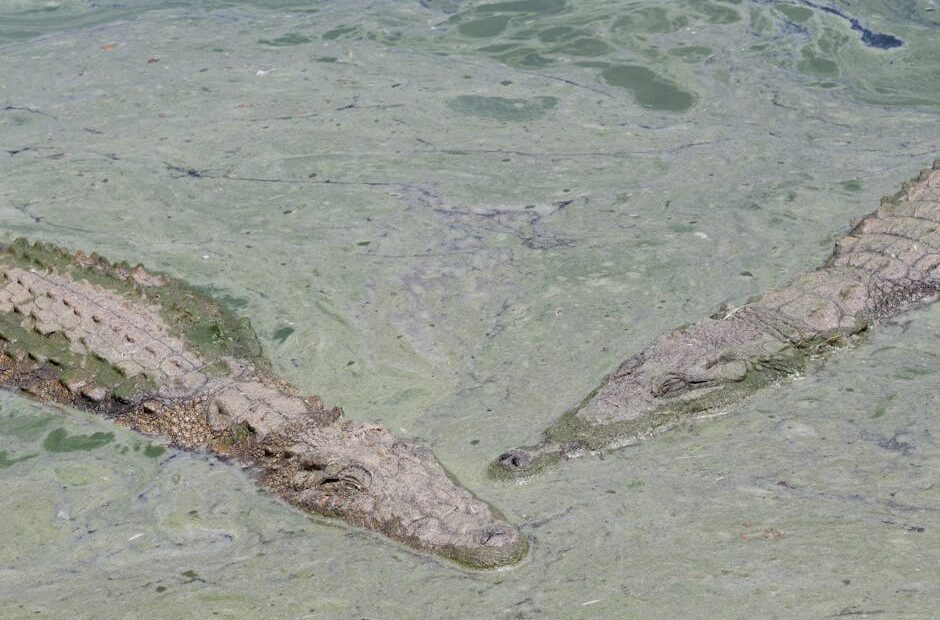
DNA reveals Seychelles crocodiles were saltwater species

The Story
Scientists used DNA from historic museum specimens to solve a 250-year-old mystery about crocodiles in the Seychelles. The reptiles were not a unique species but an isolated population of saltwater crocodiles (Crocodylus porosus) that likely drifted thousands of kilometers across the Indian Ocean. The population disappeared within about 50 years after permanent settlers arrived in 1770.
Key Facts
- The Seychelles crocodiles were the westernmost known population of the saltwater crocodile, the world’s largest living reptile.
- Researchers from Germany and the Seychelles analyzed mitochondrial genomes from preserved crocodile specimens.
- Genetic evidence confirmed that the Seychelles animals were closely connected to saltwater crocodiles living thousands of kilometers away.
- Frank Glaw stated the founders must have drifted at least 3,000 kilometers across the Indian Ocean to reach the archipelago.
- Before extinction, the species’ range stretched more than 12,000 kilometers from Vanuatu to the Seychelles.
- The crocodiles were completely exterminated within about 50 years after permanent settlers arrived in 1770.
Conflicting Reports
No conflicting reports identified in the source article.
Still Unclear
No open questions identified in the source article.
Misconceptions
No widespread misconceptions addressed in the source article.
Key Figures
- Frank Glaw – reptile expert at the Bavarian State Collections of Natural History (SNSB) and senior author of the study.
- Stefanie Agne – first author of the study, University of Potsdam.
Sources: ScienceDaily