

Digital twins created of Shackleton and Scott shipwrecks

12 reported
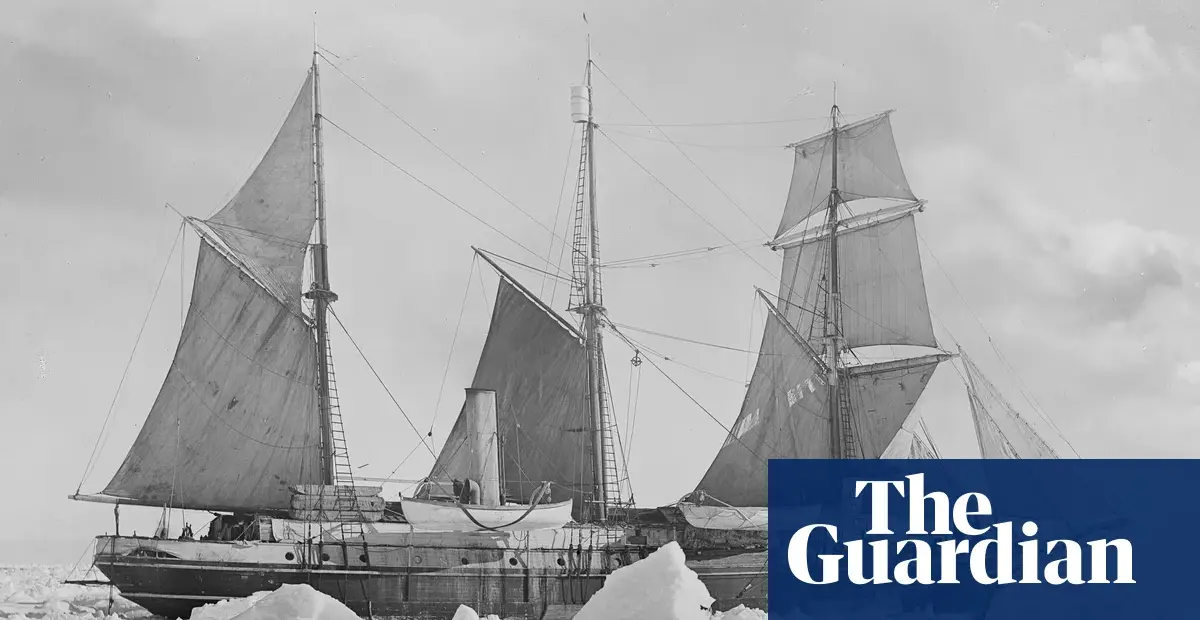
An expedition funded by the Royal Canadian Geographical Society has produced highly detailed 3D digital models of two famous polar exploration shipwrecks. The 21-day expedition left Woods Hole Oceanographic Institution in Massachusetts on 2 July and spent two weeks attempting to digitally preserve the final ships of explorers Ernest Shackleton and Robert Falcon Scott. The team used underwater imaging technology from Canadian company Voyis to scan the wrecks of the Quest and the Terra Nova, which lie more than 1,000 feet below the surface of the Labrador Sea off Canada. Expedition leader John Geiger described the project as representing a “golden era for shipwreck hunting and investigating.” The Quest, which sank in 1962 and was discovered in 2024, was Shackleton’s final ship; he died of a heart attack aboard it in 1922. The Terra Nova, which sank in 1943, carried Scott on his 1910 Antarctic expedition; Scott reached the South Pole on 17 January 1912 but died on the return journey. Geiger said the aim was to inspire a new generation of explorers and that marine biologists were eager to study wildlife around the wrecks.
What’s reported
The expedition was funded by the Royal Canadian Geographical Society.
It left Woods Hole Oceanographic Institution in Massachusetts on 2 July.
The wrecks are more than 1,000 feet (305 metres) below the surface of the Labrador Sea.
The team used underwater imaging technology from Canadian company Voyis.
The Quest sank in 1962 and was discovered in 2024 in an expedition also led by Geiger.
Shackleton died of a heart attack on the Quest in 1922.
The Terra Nova sank in 1943.
Scott reached the South Pole on 17 January 1912 but died on the return journey.
Neither ship experienced casualties prior to sinking.
The crews saw effects of deep-sea fishing trawlers, with nets partly covering the wrecks.
The Alvin submersible, which took people to the Titanic four decades prior, was used for the dives.
The Alvin was approved five years ago to extend its depth range from 14,700ft to 21,300ft.
Key figures
John Geiger, expedition leader and head of the Royal Canadian Geographical Society
Benen ElShakhs, pilot for the trip to the Terra Nova
Sources: The Guardian