



Cyberdeck trend grows as women build DIY computers to reject big tech

10 reported
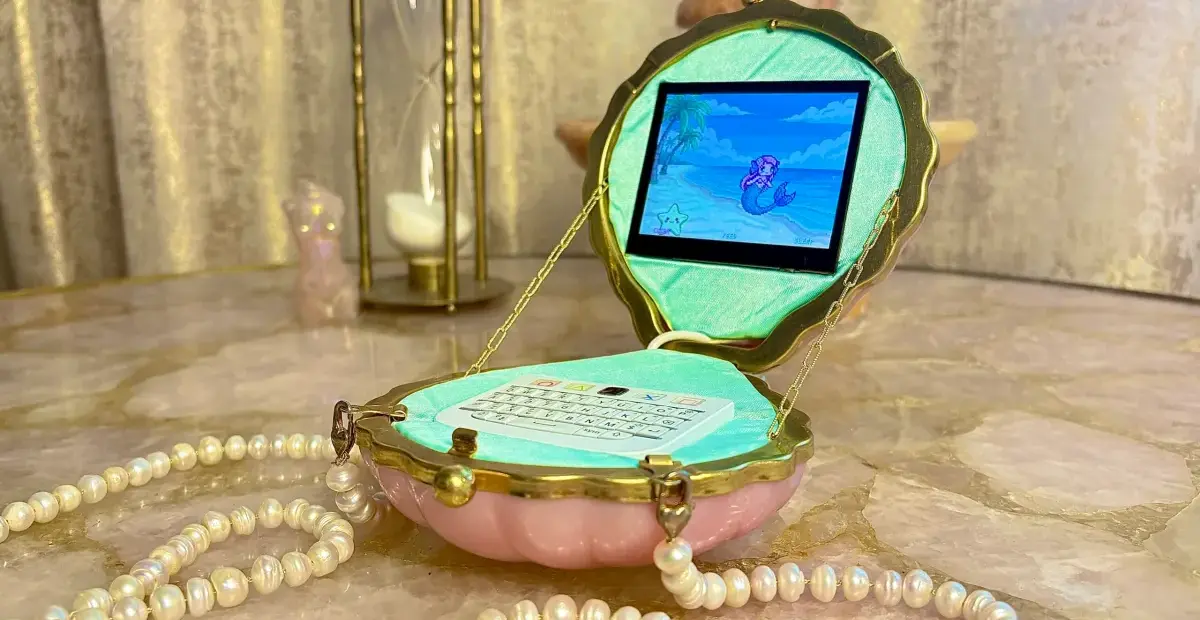
According to a TechCrunch report, a growing number of women are building artistic, hyper-feminine cyberdecks — small DIY computers — as a rejection of big tech surveillance and homogeneity. The trend has exploded on social media over the last few months, with creators documenting their building processes on platforms like Instagram and TikTok. The cyberdeck concept originated in William Gibson’s 1984 novel “Neuromancer,” and gained traction after credit card-sized computers like the Raspberry Pi became available in the 2010s. Creators like CC, who runs the blog Bimbo Tech, build unconventional cyberdecks such as a seashell computer that functions as a Tamagotchi, e-reader, and networked device. Another creator, Maro Vardanyan, weaves Raspberry Pis into purses and corsets using conductive thread, emphasizing the historic role of weaving in early computing. The report notes that some male commenters have criticized the projects as wasteful or performative, though some have later apologized. The trend is described as a direct rejection of Silicon Valley culture, prioritizing fun and creativity over optimization.
What’s reported
The cyberdeck concept originated in William Gibson’s 1984 sci-fi novel “Neuromancer.”
Credit card-sized computers like the Raspberry Pi came on the market in the 2010s.
Over the last few months, women on social media have popularized building artistic, hyper-feminine cyberdecks.
CC, a self-proclaimed “open source baddie,” builds cyberdecks and documents the process on her blog Bimbo Tech.
CC has no background in software engineering or computer science.
Maro Vardanyan, a blockchain developer, weaves pink Raspberry Pis into purses and corsets using conductive thread.
Vardanyan refers to her work as “crocheting with computers” or “macrame motherboards.”
Some early computers ran on magnetic-core memory woven by women textile workers, including for NASA’s Apollo Guidance Computer.
CC encountered a man on Reddit who criticized her work during a RAM shortage; he later apologized and bought her a circuit board.
Vardanyan faced criticism from men who called her work a waste of Raspberry Pis or questioned its functionality.
Key figures
CC, self-proclaimed “open source baddie” and creator of the Bimbo Tech blog
Sarahbelle Kim, creator on TikTok
Maro Vardanyan, blockchain developer and cyberdeck creator
Sources: TechCrunch