
Cubans turn to solar and charcoal amid power outages and fuel shortages

The Story
A single-source report from NBC News describes how Cubans are adapting to prolonged blackouts and fuel shortages, with some investing in solar panels and others turning to charcoal cooking. The article notes that the government has announced a plan to achieve 100% renewable energy by 2050, though experts question its feasibility. It highlights the experiences of a gym owner and a producer in Havana, and details the economic challenges that limit options for most citizens. The report also mentions a recent cut in fuel access by the Trump administration that has worsened blackout conditions. Based solely on this source, the situation remains fluid with no additional confirming reports.
Key Facts
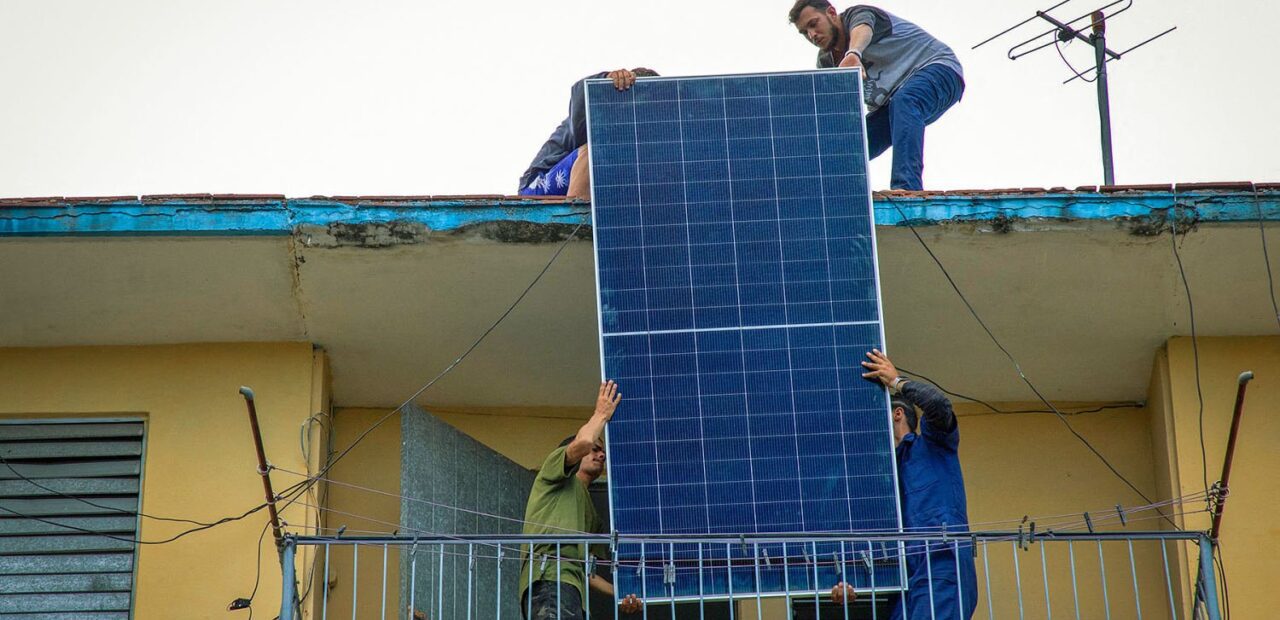
- Guillermo Sánchez, a Havana gym owner, bought a gasoline generator in 2024 after cables fell near Casablanca, but gasoline became scarce; he then spent almost $5,000 on a solar panel system with help from his wife and mother.
- Lisbet Reyes, an audiovisual producer, began cooking with charcoal around December or January when extended blackouts hit Havana; she reports smoke inhalation affecting her respiratory system.
- The Cuban government plans to reach 100% renewable energy by 2050, with renewables projected to cover 15% of demand by the end of the year (up from 10% currently, which was 3% in 2024).
- There are currently 54 solar parks in Cuba, with a goal of 92 by 2028, installed with Chinese financing and equipment.
- Jorge Piñon, an energy expert at the University of Texas at Austin, said it is highly unlikely Cuba can achieve 100% renewables by 2050 given its economic crisis and infrastructure issues.
- The Trump administration cut fuel flow to the island earlier this year, exacerbating outages that already lasted 20 hours or more a day in some areas.
- A small bag of charcoal costs about $1; the average state salary is about $13 a month, and a retired state worker’s pension is about $4 a month.
- Rafael Huergo bought six solar panels for about $100 each with help from friends in Europe and his brother, enabling full power for his home-based massage and aesthetics business.
Conflicting Reports
No conflicting reports identified in the source article.
Still Unclear
- How Cuba’s government plans to achieve its 100% renewable energy goal by 2050, including the specific breakdown of energy sources (solar, wind, biomass, hydropower).
- The feasibility of the plan given the country’s economic crisis and the deteriorated state of its energy infrastructure.
- The exact timing and details of the Trump administration’s fuel cut mentioned in the article.
- Why the Cuban Embassy did not respond to requests for comment on the energy plan.
Misconceptions
No widespread misconceptions addressed in the source article.
Key Figures
- Guillermo Sánchez, gym owner in Havana
- Lisbet Reyes, audiovisual producer in Havana
- Bruno Rodríguez, Cuban Foreign Minister
- Jorge Piñon, senior research collaborator at UT Austin’s Energy Institute
- Rafael Huergo, owner of a massage and aesthetics business
Sources: NBC News