



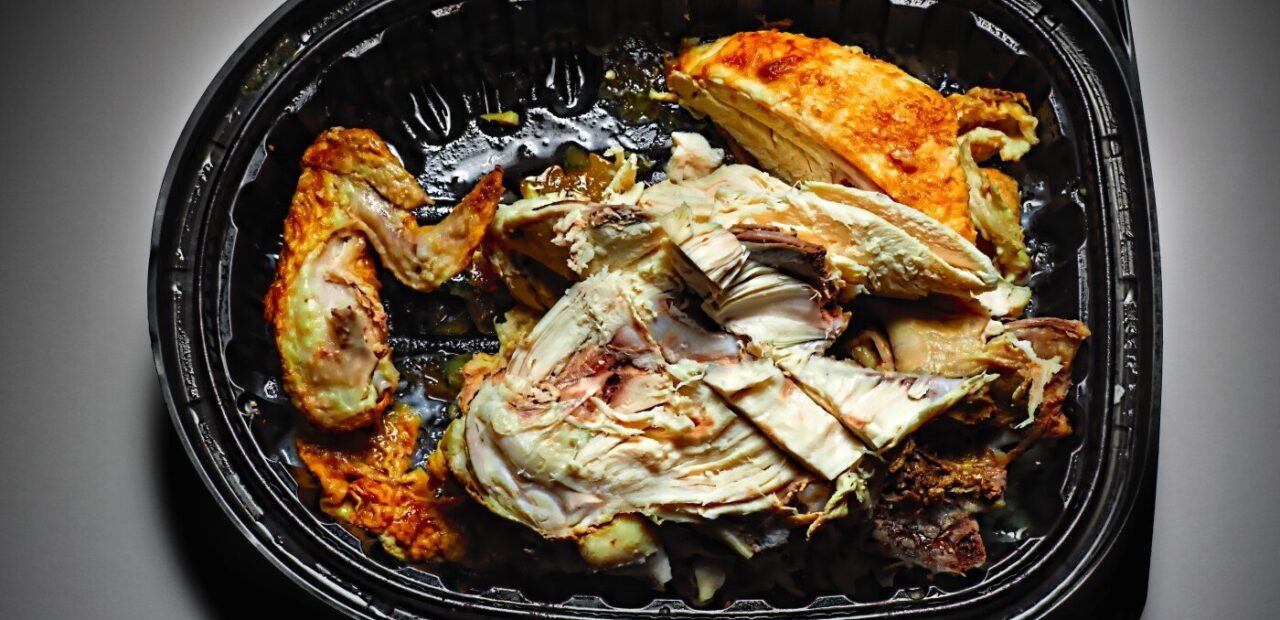
Chefs share tips for using leftovers with mindset shift

8 reported
NPR reports that a mindset shift can help people use leftovers more consistently. Chef Margaret Li, co-author of the cookbook "Perfectly Good Food," suggests thinking of cooking with leftovers as a creative, experimental exercise rather than a guilt-driven one. The article notes that nationally, about a quarter of food products go to waste, according to the nonprofit ReFED. Chefs interviewed for the story offered practical tips including finding flexible "hero recipes," labeling leftovers with painter's tape and marker, and using odds and ends like herb stems. The article also advises against striving for perfection, noting that if leftovers are truly unappealing, it is acceptable to toss or compost them.
What’s reported
Margaret Li is a chef and co-author of the cookbook "Perfectly Good Food: A Totally Achievable Zero Waste Approach to Home Cooking."
Li recommends thinking of cooking with leftovers as a creative, experimental exercise, not a guilt-driven one.
Nationally, about a quarter of food products go to waste, according to the nonprofit ReFED.
Chefs suggest building an arsenal of flexible "hero recipes" such as stir-fry, frittata, or fried rice.
Labeling leftovers with a permanent marker and painter's tape is a classic chef's method for knowing what something is and when it was made.
Chef Tamar Adler recommends never throwing away herb stems, as they can be blended with garlic and olive oil to make a base sauce.
Li keeps an "Eat Me First" box in her fridge for odds and ends like half-used lemons or produce starting to get wrinkly.
Li says she tries not to be too obsessive about eating absolutely everything and that if takeout is truly terrible, it is acceptable to toss or compost it.
Key figures
Margaret Li, chef and co-author of the cookbook "Perfectly Good Food"
Tamar Adler, chef and author of "The Everlasting Meal Cookbook: Leftovers A-Z"
Malaka Gharib, editor of the story
CJ Riculan, visual editor
Sources: NPR