
Bank of Japan Raises Key Rate to 1%, Nikkei Tops 70,000 Points

5 verified5 unconfirmed
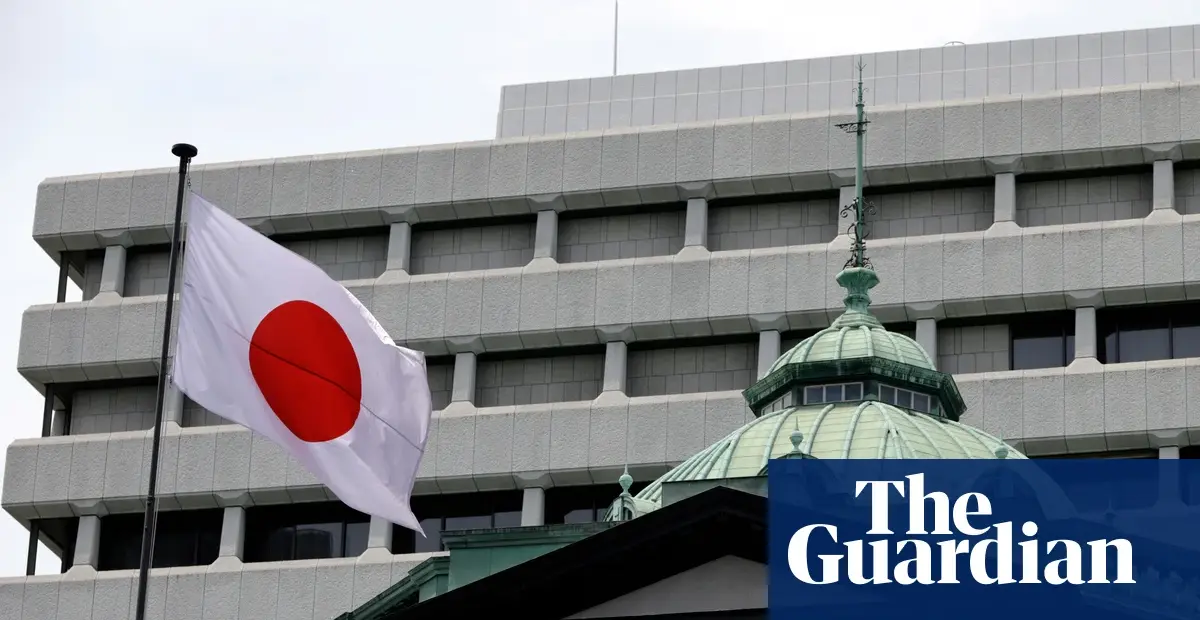
The Bank of Japan raised its short-term policy rate by a quarter of a percentage point to 1%, marking the highest level in about three decades. Policymakers cited inflationary pressures from the Iran war and rising oil costs as the main reasons for the move. The Nikkei 225 index briefly surpassed 70,000 points for the first time during Tuesday’s trading session before trimming gains. The rate hike came even as oil prices have eased in recent days following a tentative agreement between the United States and Iran to end the conflict. Other Asian stock markets showed mixed results, with South Korea’s Kospi reaching record territory while Hong Kong’s Hang Seng slipped. Global markets rallied on Monday after news of the US-Iran deal, and US stocks related to artificial intelligence surged. The Bank of Japan’s governor stated that the risk of a sharp economic deterioration has diminished but warned that price rises are broadening.
What’s verified
The Bank of Japan raised its short-term policy rate by 0.25 percentage points to 1%.
This is the highest level for Japanese interest rates in about three decades.
The Nikkei 225 index briefly topped 70,000 points for the first time during Tuesday’s session.
The rate hike is aimed at addressing inflationary pressures linked to the Iran war and rising oil costs.
Oil prices have declined recently on hopes for an extension of the ceasefire, falling from above $100 a barrel to around $80-$83 per barrel.
Not yet confirmed
The Bank of Japan’s governor, Shinichi Uchida, said at a press conference that the signing of a US-Iran memorandum was “a welcome move” and noted uncertainty about how quickly oil supplies would rise.
Susannah Streeter of Wealth Club commented that the rate increase was widely expected but represents a “step-change” in monetary policy for Japan.
The Guardian reported that the BoJ is the second G7 bank to raise borrowing costs since the Iran war began, following the European Central Bank last week, and that the US Federal Reserve and Bank of England are expected to leave rates unchanged this week.
ABC News reported that negotiations with Iran are expected to continue over the next 60 days and that the Strait of Hormuz may reopen on Friday, though it will likely take months for energy industry operations to return to full speed.
Specific details on other Asian market indices (Kospi, Shanghai, Hang Seng) and US stock performances (Micron, AMD, Nvidia, SpaceX) were provided by a single source.
Key figures
Shinichi Uchida – Governor of the Bank of Japan
Susannah Streeter – Chief Investment Strategist at Wealth Club
Sources: The Guardian, abcnews.com