



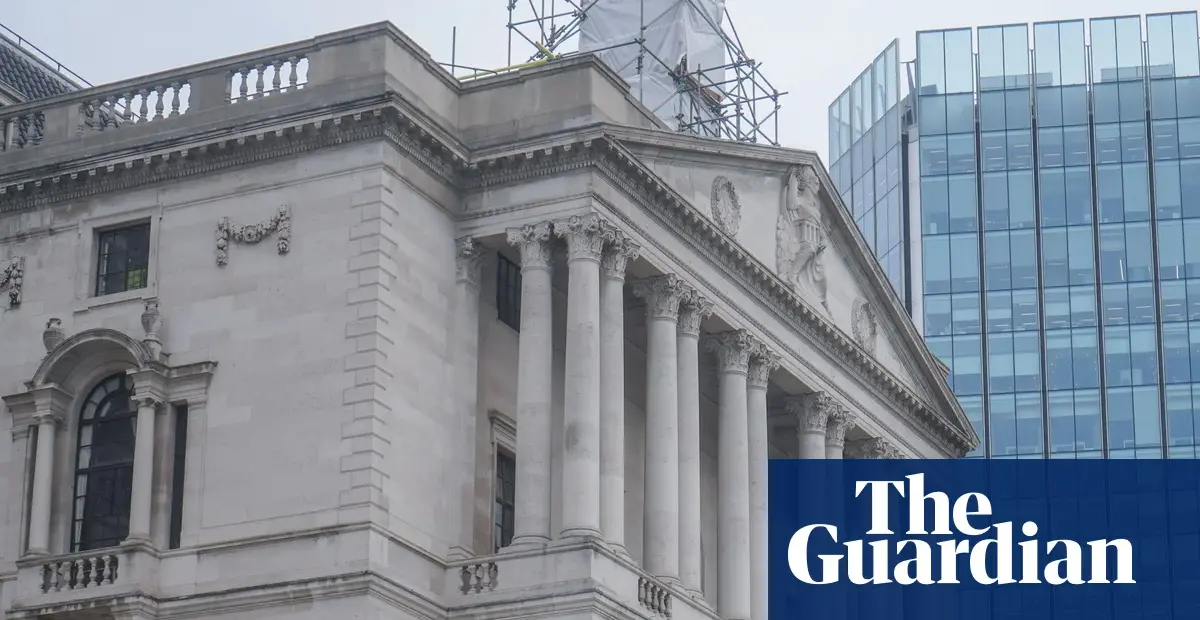
Bank of England plans to ease capital rules despite AI stability fears

9 reported
The Bank of England is planning to loosen capital requirements for major UK lenders, even as its financial policy committee (FPC) expressed concern about threats to financial stability from rapid AI developments and debt-fuelled stock investments. The central bank said on Tuesday it was looking to remove and loosen some rules introduced after the 2008 financial crisis that determine the size of the financial cushion required to absorb losses. The FPC said plans include scrapping a longstanding buffer within the so-called leverage ratio, which would primarily benefit the largest UK domestic-focused banks and building societies, including NatWest, Lloyds, Nationwide and Santander UK. Current proposals could slash those lenders’ leverage ratio by 20 basis points on average, helping them compete internationally and spur further lending. However, some committee members raised concerns that trimming buffers could amplify current risks, including a potential increase in loans to investors who have already used heavy debt to buy AI-related stocks. The FPC is now embarking on a review to identify whether the proposal would leave any financial stability gaps, to be completed by the end of September, influencing a consultation in early 2027. The Bank also raised concerns about rapid advances in frontier AI capabilities, which increase cyber risks and could hit banks and systemically important financial companies.
What’s reported
The Bank of England is planning to loosen capital requirements for major UK lenders.
The FPC plans to scrap a longstanding buffer within the leverage ratio, primarily benefiting NatWest, Lloyds, Nationwide, and Santander UK.
The proposals could slash those lenders’ leverage ratio by 20 basis points on average.
Some FPC members were concerned the proposal might lead to an unwanted increase in market-based leverage.
Much of the debt-fuelled investments have been in AI-related stocks.
The FPC review will be completed by the end of September, influencing a consultation in early 2027.
The Bank had already lowered capital requirements related to risk-weighted assets by one percentage point to about 13% in December.
The FPC raised concerns that rapid advances in frontier AI capabilities have increased financial stability risks related to cyber and operational resilience.
Bank of England governor Andrew Bailey said access to Anthropic’s Mythos AI model “does tend to differ week by week,” referencing Donald Trump’s temporary ban on foreigners using the US company’s latest AI models.
Key figures
Andrew Bailey, Bank of England governor
Rachel Reeves, chancellor (mentioned as having argued rules were a “boot on the neck” of businesses last summer)
Anthropic (company behind AI model Mythos)
Donald Trump (referenced for temporary ban on foreigners using Anthropic’s latest AI models)
Sources: The Guardian