



Bananas may be removed from US school meals under proposed Farm Bill changes

8 reported3 unconfirmed
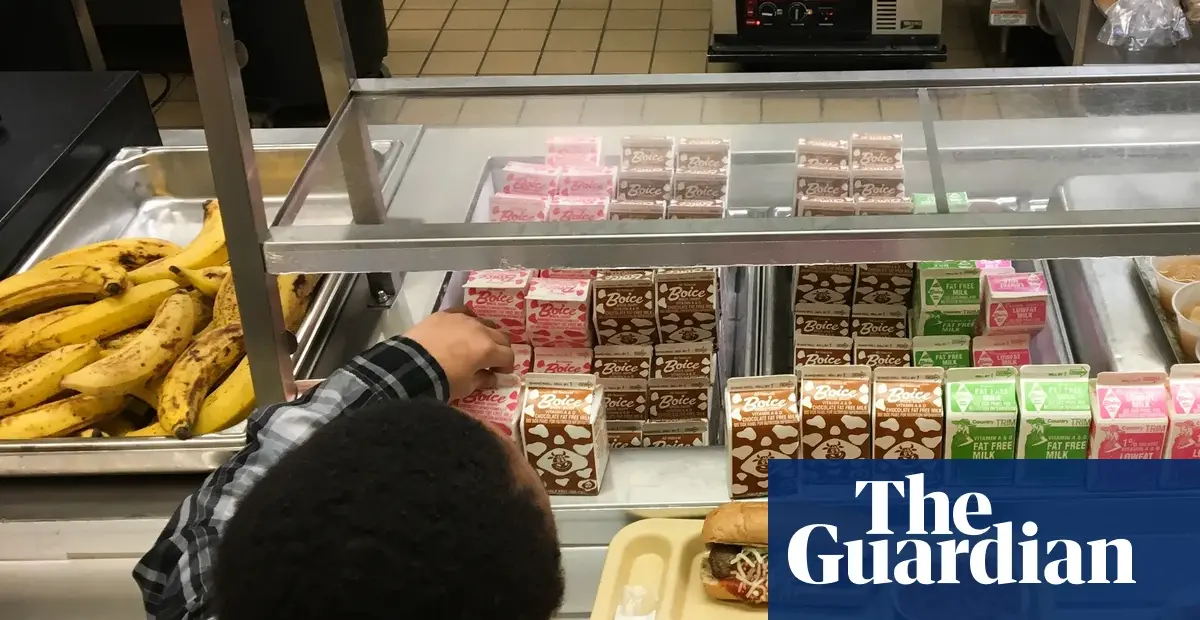
A proposed change to the Farm Bill could force schools to remove bananas from lunch and breakfast programs, according to school nutrition directors and advocates cited in a single-source report. The House version of the bill would immediately reduce the cap on non-US food purchases for school meals to 5%, eliminating a phase-in schedule that was set to drop gradually. Bananas, which are almost entirely imported from Central and South America because they only grow in tropical climates, would count toward that cap. Cincinnati public schools director Jessica Shelley said she will have to remove bananas from lunch and cut breakfast servings to twice a week next year. The US is the world’s largest importer of bananas, and the fruit is popular among children because it is easy to eat and nutrient-dense. Other foods at risk include frozen broccoli, fish, and diced peaches, which are often sourced from outside the US due to cost or availability. The Senate is expected to mark up its version of the Farm Bill this month.
What’s reported
Bananas are nutrient-dense and popular with children, making them a common school cafeteria offering.
The US is the world’s largest importer of bananas, sourcing almost all from Central and South America.
A 1998 Buy American mandate required schools to buy US products “to the maximum extent possible,” with exceptions for “nonavailable” items like bananas.
In 2024, the mandate was amended to phase in a 10% cap on non-US food through 2026, then 8% through mid-2031, then 5% by 2031-32.
The House version of the Farm Bill would abolish the phase-in and set the cap at 5% as soon as the 2026-27 school year.
Jessica Shelley, director of student dining services for Cincinnati public schools, said she will remove bananas from lunch and cut breakfast servings to twice a week next year.
Other foods at risk include frozen broccoli, fish, and diced peaches, which are often imported due to cost or availability.
The USDA terminated the Local Food for Schools program in March 2025, which had allocated $660m to help schools source fresh local products.
Open questions
Whether the Senate will pass a version of the Farm Bill that maintains the phase-in or adopts the House’s immediate 5% cap.
Whether the USDA will create a list of unavailable products that would not count toward the cap, and how that list would be implemented.
Whether additional federal support for local purchasing and producers will be provided to help schools meet the domestic sourcing goal.
Key figures
Erin Ogden, policy associate for federal child nutrition programs at the Center for Science in the Public Interest (CSPI)
Donna Martin, school nutrition consultant from Georgia
Jessica Shelley, director of student dining services for Cincinnati public schools
Karen Spangler, policy director at the National Farm to School Network
Robert F Kennedy Jr, US health secretary
Sources: The Guardian