
Attacks on Ebola Clinics in DRC Stem from Trust and Burial Concerns

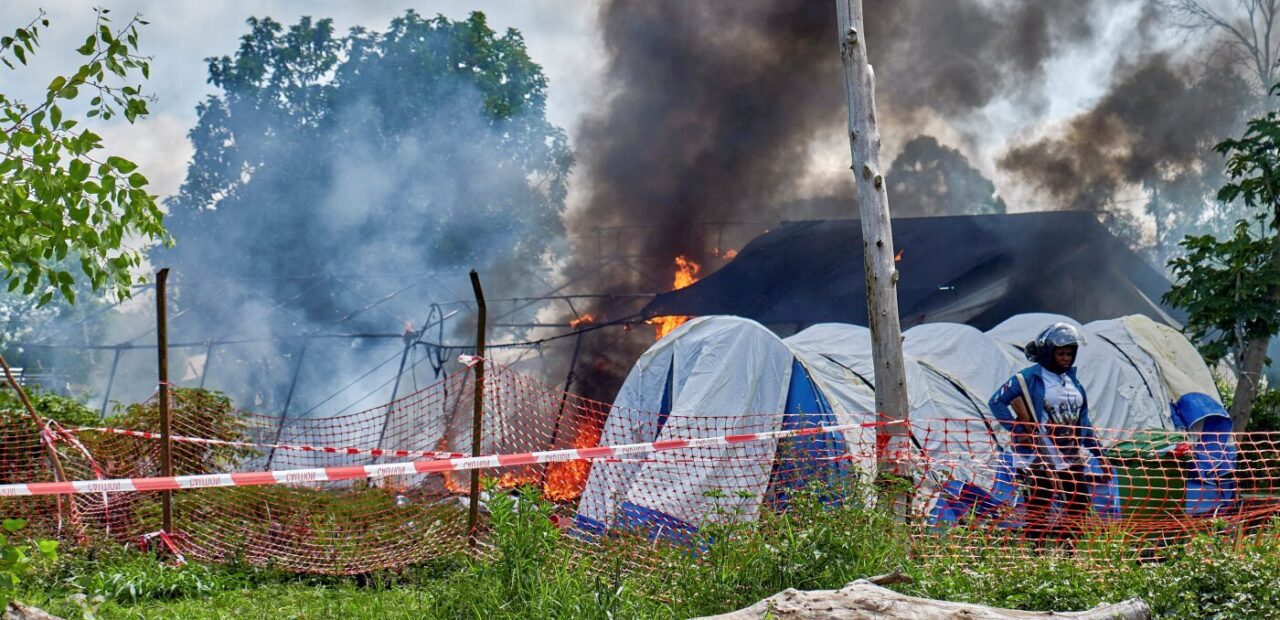
A news report from NPR details attacks on Ebola treatment centers in the Democratic Republic of Congo, citing community mistrust, panic, and misinformation as underlying causes. On May 21, community members attacked a treatment center in eastern DRC, with two subsequent attacks on a different medical facility by the end of the weekend. Dr. Babou Rukengeza of Save the Children said building trust is the necessary response. Rumors circulating on social media include false claims that Ebola is not real, that humanitarian workers are profiting, and that aid groups are withholding the best care. The report highlights that burial practices are a major flash point, as traditional customs involving handling of bodies conflict with infection control measures. Innovations such as body bags with transparent face windows have been used to help families recognize deceased loved ones. Efforts to rebuild trust include community engagement, hiring local staff, and enlisting religious leaders to support safe burial protocols.
What’s reported
A treatment center in eastern DRC was attacked on Thursday, May 21, followed by two other attacks on a different facility by the end of the weekend.
Dr. Babou Rukengeza is the Ebola Response Health Lead for Save the Children and is based in the DRC.
The World Health Organization declared the Ebola outbreak a public health emergency of international concern less than two weeks before the attacks.
Rumors spreading on social media include that Ebola is not real, humanitarian workers are only there for profit, and that medicines and vaccines exist but are being withheld.
Dr. Micaela Serafini of Doctors Without Borders Switzerland recalled a 2019 attack on one of their facilities due to beliefs that everyone who entered was killed.
Safe burial practices involve sealed bags and medical equipment, with mourners observing from a distance, but traditional customs include washing and sitting with bodies.
The World Health Organization estimated that during the West Africa outbreak a decade ago, funeral practices contributed to 80% of cases in Sierra Leone and 60% in Guinea.
Local authorities capped funeral sizes at 50 people, and some burials have required armed guards.
Body bags with transparent face windows were introduced by Doctors Without Borders to help families recognize the deceased.
Families of suspected Ebola patients are briefed on death protocols, including body treatment, from the time of admission.
Open questions
The article does not specify the total number of attacks or the current status of the patients and staff who fled. It also does not detail how many community members believe the false information beyond noting it is a minority.
Misconceptions
The article directly addresses the misconception that Ebola is not real, that humanitarian workers are solely motivated by profit, that effective medicines and vaccines exist but are being withheld, and that clinics intentionally kill patients.
Key figures
Dr. Babou Rukengeza, Ebola Response Health Lead for Save the Children
Dr. Micaela Serafini, President of Doctors Without Borders Switzerland
Dr. Jean Kaseya, Director General of the Africa Centers for Disease Control and Prevention
Max Lieblich, Emergency Program Manager for Catholic Relief Services in northeastern DRC
Sources: NPR