



Argentine investigators trap rats in Ushuaia to trace hantavirus cruise outbreak

The Story
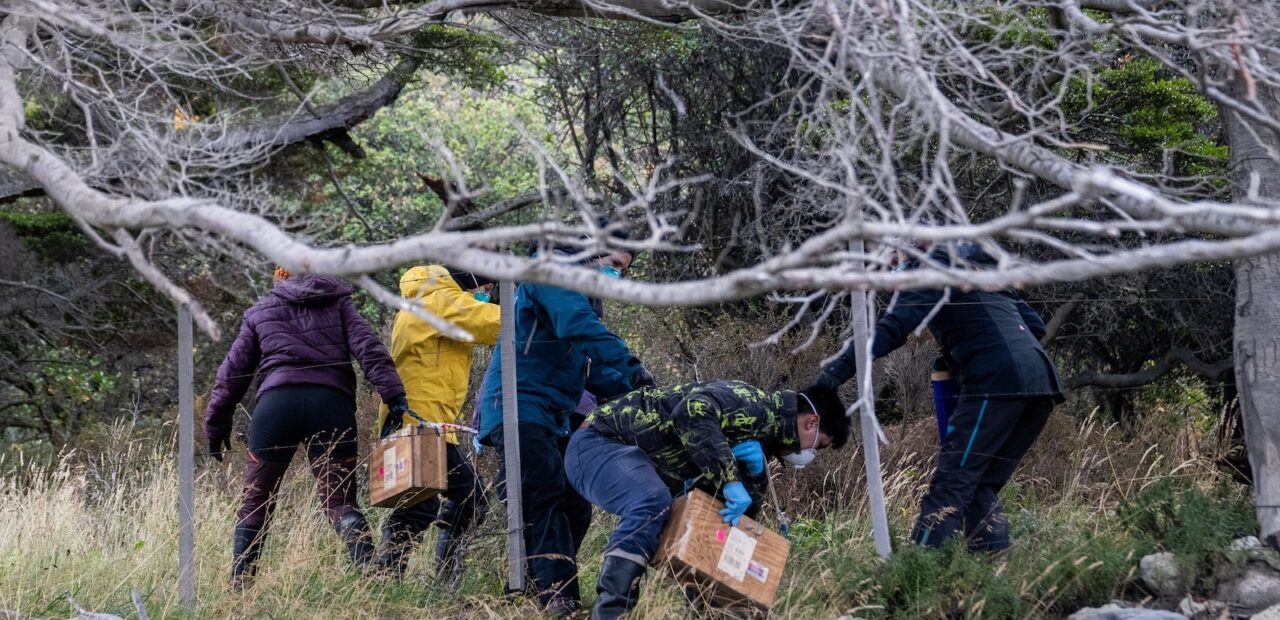
Argentine investigators trapped rodents in forests around the southernmost city of Ushuaia on Tuesday as part of a search for the source of a deadly hantavirus outbreak on the cruise ship MV Hondius last month. The outbreak killed three people and sickened several others, prompting a global effort to trace passengers and close contacts. Researchers from the state-backed Malbrán Institute collected dead rats from 150 box traps to test for the Andes virus, with results expected in up to one month.
Key Facts
- The hantavirus outbreak occurred on the cruise ship MV Hondius last month, killing three people and sickening several others.
- On Tuesday, investigators set 150 box traps in forests around Ushuaia and collected dead rats for blood sampling.
- The Malbrán Institute will test the samples for hantavirus; results may take up to one month.
- Hantavirus has never been recorded in Ushuaia or Tierra del Fuego.
- The first known victims were a Dutch couple who concluded a road trip in late March, then spent time bird-watching and trekking in Ushuaia before boarding the ship April 1; both have since died.
- Provincial health authorities rejected the national government’s initial hypothesis that the infection began when the couple visited an Ushuaia landfill.
- The long-tailed pygmy rice rat (colilargo) is the typical carrier of the Andes virus, but that species is absent from Tierra del Fuego; a subspecies in Ushuaia’s forests has never been tested for hantavirus.
- Trapping occurred in two areas: the national park and wooded hillsides overlooking Ushuaia’s main pebble beach.
- Martín Alfaro, spokesperson for the local health ministry of Tierra del Fuego, said the province has never done this type of testing before.
Conflicting Reports
Provincial health authorities in Tierra del Fuego have “fiercely rejected” the national government’s initial hypothesis that the chain of infections began when the Dutch couple visited a landfill in Ushuaia.
Still Unclear
Where the Dutch couple contracted the virus, whether hantavirus is present in Ushuaia’s rodent population, and whether the colilargo subspecies can transmit the virus.
Misconceptions
No widespread misconceptions addressed in the source article.
Key Figures
- Martín Alfaro, spokesperson for the local health ministry of Tierra del Fuego.
Sources: abcnews.com