



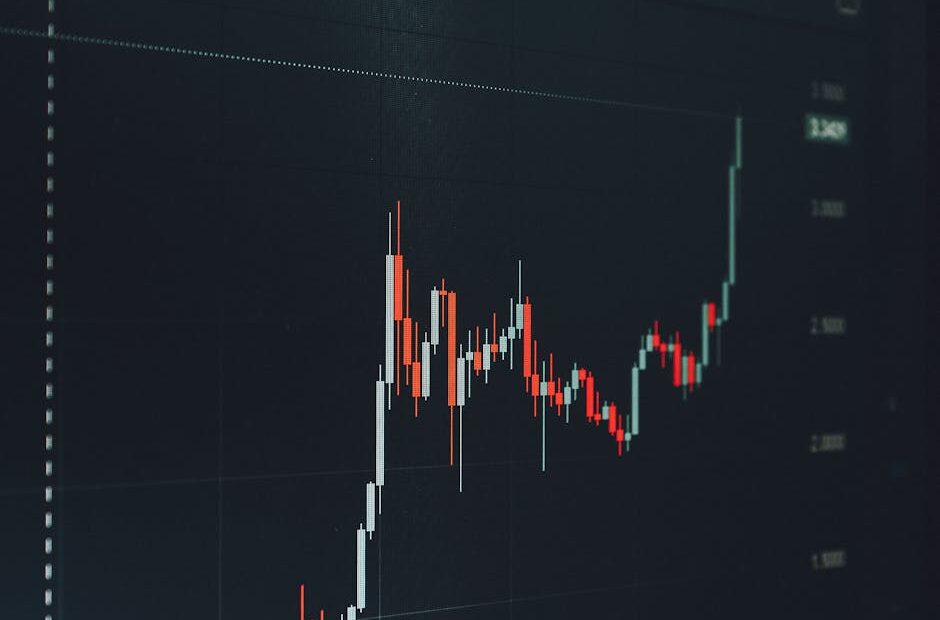
Aluminum Prices Rise After Iran Strikes; Companies Face Higher Costs

The Story
Aluminum prices have surged to multiyear highs following U.S.-Israeli strikes on Iran in late February, according to a single-source report from CNBC. The price increase is creating cost pressures on companies that use aluminum in products from cars to beverage cans. Multiple company executives cited the Middle East conflict as a factor in their rising costs.
Key Facts
- Aluminum on the London Metal Exchange has surged more than 13% since the U.S.-Israeli strikes on Iran on Feb. 28.
- The commodity is up about 19% in 2026 and has reached its highest level since 2022.
- Bernstein analyst Bob Brackett stated that the shutdown of the Strait of Hormuz, a key passageway for aluminum from the Middle East, is driving prices higher.
- Brackett estimated that 7% of the world’s aluminum is sourced from the region, and military strikes have damaged facilities, taking about 3% of the world’s supply off the market.
- Ford CFO Sherry House said the Iran war is clouding the automaker’s outlook for aluminum, a key component of its F-150 pickup truck. She said Ford expects commodity headwinds to top $2 billion – roughly double the previous estimate – largely due to higher aluminum prices.
- Ford shares have fallen 17% since the Iran war began; the S&P 500 climbed 5.7% over the same period.
- UBS analyst Joseph Spak called Wall Street’s concern about aluminum prices “overblown,” noting that Ford has hedged its exposure for this year.
- Molson Coors CFO Tracey Joubert said rising aluminum prices added about $30 million to the company’s cost of goods sold in the first quarter compared with the prior year, with further inflation expected.
- Keurig Dr Pepper CFO Anthony DiSilvestro listed aluminum as one of several products with price increases due to the Iran war, stating the company will create mitigation plans if higher costs persist.
- UBS expects aluminum supply to grow 0.3% in 2026, down from a prior estimate of 2.4%, citing disruption in the Middle East and limited room for capacity increases in Europe.
- Bernstein’s Brackett said aluminum prices are also connected to the cost of natural gas and coal, which are rising due to the war.
Conflicting Reports
No conflicting reports identified in the source article.
Still Unclear
No open questions identified in the source article.
Misconceptions
No widespread misconceptions addressed in the source article.
Key Figures
- Bob Brackett, Bernstein analyst
- Sherry House, chief financial officer, Ford
- Joseph Spak, UBS analyst
- Tracey Joubert, chief financial officer, Molson Coors
- Anthony DiSilvestro, chief financial officer, Keurig Dr Pepper
Sources
- CNBC — Primary Source (single-source story)