



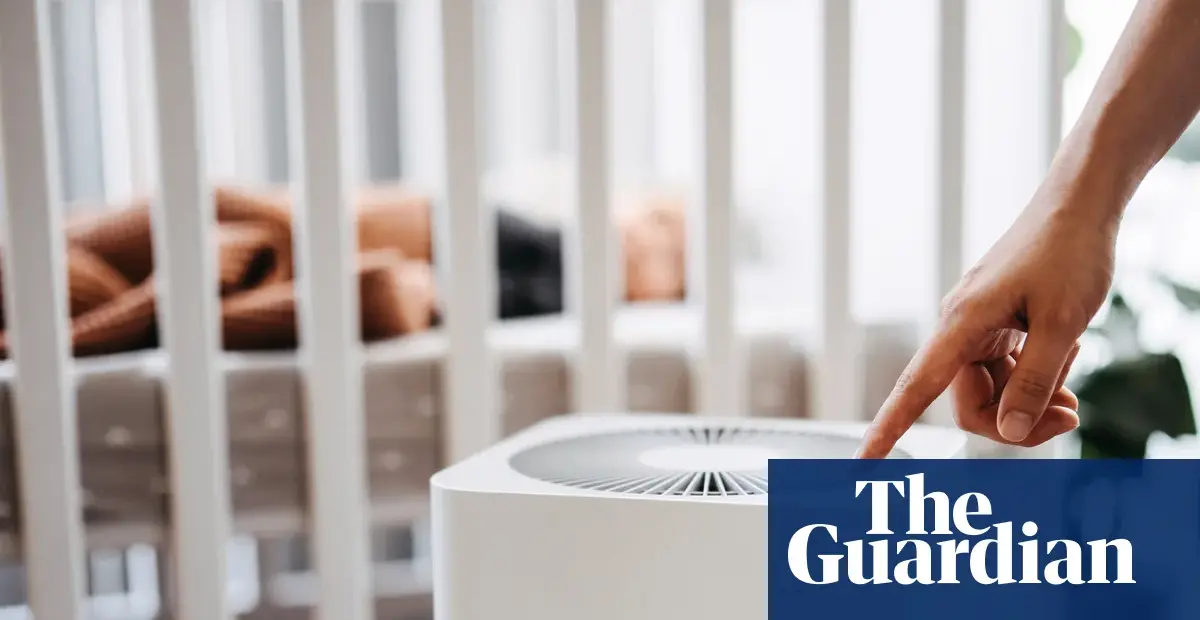
Air purifiers explained: what they do and how they help with wildfire smoke

8 reported
With smoke from wildfires in Canada and Minnesota spreading across the US, more than 20 states have issued air quality alerts, and local leaders urged people to stay inside as “unhealthy” air quality levels affected the US midwest and north-east. According to the article, data indicated that fine, inhalable airborne particulate matter known as PM2.5 was declining in 41 states before 2016, but the increasing frequency and severity of wildfires has undone that progress, says Jienan Li, a research scientist specializing in indoor air quality at Colorado State University. Indoor air pollution can exacerbate asthma and other respiratory issues, and lead to “sick building syndrome”, a condition with symptoms like fatigue, headache and nausea. As a result, indoor air purifiers are becoming increasingly popular, with the US market anticipated to more than double from $2.8bn in 2022 to $4.78bn by 2030. The article explains that air purifiers are usually portable mechanical filters that capture particulate matter, and the gold standard is a Hepa filter, which can remove 99% of particles as small as 0.3 microns. According to Li, air purifiers are most important for people sensitive to particles, including those with asthma, allergies, or cardiovascular issues, as well as children, pregnant people and the elderly, and at an air quality index of 150 or higher, “everyone should consider using an air purifier.”
What’s reported
Smoke from wildfires in Canada and Minnesota has spread across the US, with more than 20 states issuing air quality alerts.
PM2.5 levels were declining in 41 states before 2016, but increasing wildfire frequency and severity has reversed that progress, according to research scientist Jienan Li.
Indoor air pollution can exacerbate asthma and other respiratory issues and lead to “sick building syndrome” (fatigue, headache, nausea).
The US air purifier market is expected to grow from $2.8bn in 2022 to $4.78bn by 2030.
A Hepa filter can remove 99% of particles as small as 0.3 microns, including dust, pollen, pet dander and some bacteria.
At an air quality index of 150 or higher, “everyone should consider using an air purifier,” says Li.
A good air purifier can cost $150 to $1,500, with an excellent single-room unit available for under $300, according to Jill Heins of the American Lung Association.
A homemade Corsi-Rosenthal box (using four or five MERV13 filters and a box fan) had a CADR rate of 600 to 850 cubic ft per minute in a 2022 study.
Key figures
Jienan Li, research scientist specializing in indoor air quality at Colorado State University
Jill Heins, senior director at the American Lung Association
Sources: The Guardian