
AI-edited bird photos raise concerns for citizen science data

6 reported
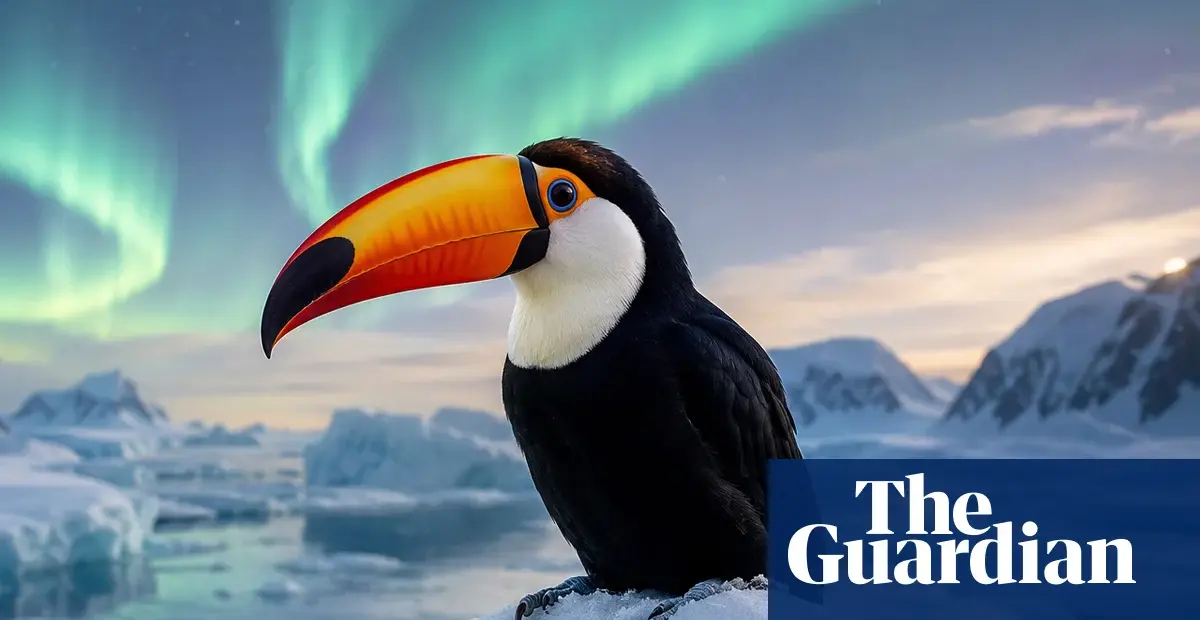
Scientists are asking birdwatchers to limit their use of artificial intelligence when editing images, warning that AI-altered photos could undermine the credibility of citizen science platforms like iNaturalist and Macaulay Library. In a commentary published in the journal Nature, researchers reported that hundreds of fake images have already been discovered on popular species databases, though the true scale of the problem remains unknown. Dr. Alexander Lees, an ecologist at Manchester Metropolitan University and author of the journal article, said a huge volume of wildlife photos on Facebook are now AI-generated, making it difficult to use them for tracking species locations. Lees noted that outright hoaxes are rare and often easy to spot, but birders frequently use AI to improve images, and the algorithm can inadvertently introduce parts from different bird species. He cited a false sighting of a red-winged blackbird in central Brazil, where a photographer asked an AI platform to make a picture of an epaulet oriole “look better,” resulting in the addition of red-winged blackbird features. On iNaturalist, only 1,400 of more than 610 million images have been flagged for AI use, according to Tony Iwane, the platform’s director of community support and a co-author on the Nature paper, who appealed for user vigilance.
What’s reported
Scientists are appealing to birders to limit AI use when editing images over fears it could undermine citizen science platforms like iNaturalist and Macaulay Library.
A commentary in Nature warned that hundreds of fake images have been discovered on popular species databases, but the true scale is unknown.
Dr. Alexander Lees of Manchester Metropolitan University said a huge volume of wildlife photos on Facebook are now AI-generated.
Lees said outright hoaxes are rare, but birders often use AI to edit images, and the algorithm can introduce parts from different bird species.
A false sighting of a red-winged blackbird in central Brazil occurred when a photographer asked AI to make a picture of an epaulet oriole “look better,” adding red-winged blackbird features.
On iNaturalist, 1,400 of more than 610 million images have been flagged for AI use, according to Tony Iwane, the platform’s director of community support.
Key figures
Dr. Alexander Lees, ecologist at Manchester Metropolitan University and author of the Nature commentary
Tony Iwane, director of community support at iNaturalist and co-author on the Nature paper
Sources: The Guardian