


Heathrow third runway report warns of health risks for millions nearby

13 reported
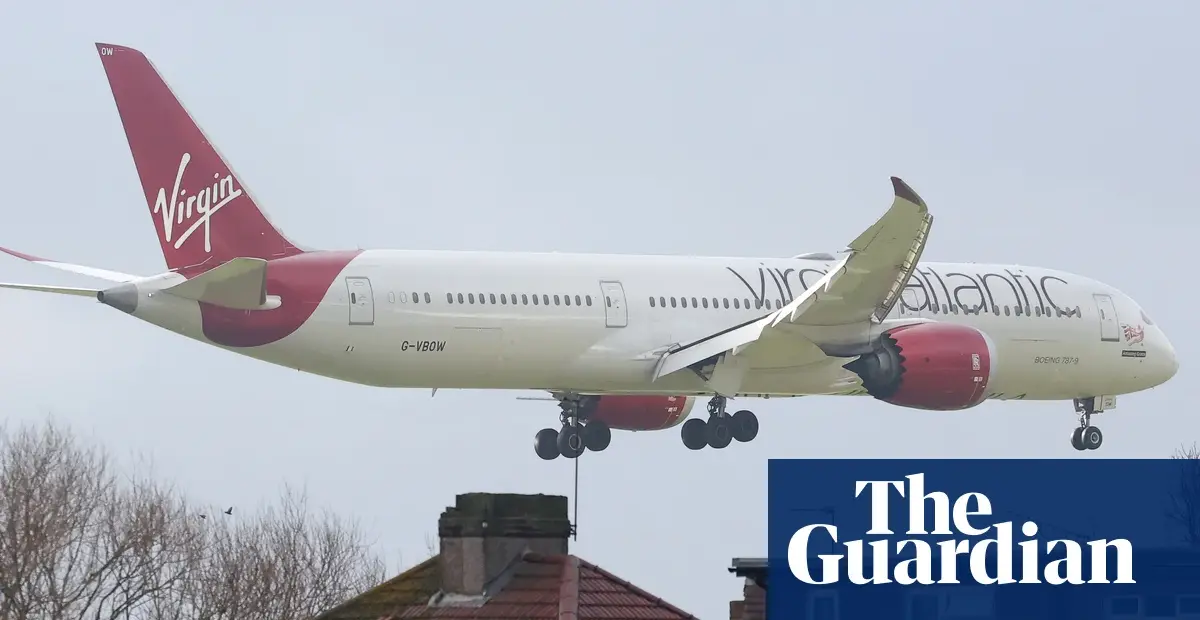
An official report commissioned for the UK Department for Transport has warned that building a third runway at Heathrow Airport could have significant adverse effects on the health and wellbeing of up to 3 million people living nearby. The analysis, conducted by consultants Aecom, found that the expansion could cause "major adverse" impacts on the health of the most local population, worsening noise, air quality, and harming access to housing, education, healthcare, open space, and transport. The report also said the project would impact water quality, weaken community identity and cohesion, worsen landscapes and townscapes, and affect climate change mitigation and adaptation. While the report noted potential benefits for jobs, income, education, skills, and training, it concluded that adverse effects on environmental and social determinants are likely and many could be significant. The government has launched a consultation on a draft national policy statement backing the third runway, with a Department for Transport spokesperson stating that mitigations are being actively worked on to address community concerns. The transport secretary, Heidi Alexander, said the consultation is a positive step toward realizing the benefits of the project, while the chancellor, Rachel Reeves, said an expanded Heathrow would support over 60,000 jobs and deliver up to £42bn in benefits to the UK.
What’s reported
The official report warns of significant adverse effects on the health and wellbeing of up to 3 million people living near Heathrow.
The analysis was conducted by consultants Aecom for the Department for Transport.
The report says construction and operation of the third runway could worsen noise, air quality, and harm access to housing, education, healthcare, open space, and transport.
It also says the expansion will impact water quality, weaken community identity and cohesion, worsen landscapes and townscapes, and affect climate change mitigation and adaptation.
The report says adverse effects on environmental and social determinants are likely and many could be significant, though it notes potential benefits for jobs, income, education, skills, and training.
A DfT spokesperson said the health impact assessment describes what would happen without mitigations, which the government is actively working to implement.
The government has published a draft national policy statement for consultation, now called the Heathrow Expansion national policy statement.
The chancellor, Rachel Reeves, said an expanded Heathrow would support over 60,000 jobs and deliver up to £42bn in benefits.
Heathrow is seeking to build a 3,500-metre runway, requiring the M25 motorway to be moved and compulsory purchase of about 800 homes, at an estimated cost of £33bn.
The airport would operate up to 756,000 flights with up to 150 million passengers each year.
Heathrow chief executive Thomas Woldbye said the plan is privately funded and widely supported.
Paul McGuinness, chair of the No 3rd Runway Coalition, said the plans would lead to a "decade of destruction" around the airport.
Celeste Hick of the Aviation Environment Federation said the government is rushing policy through with little meaningful consultation.
Key figures
Heidi Alexander, transport secretary
Rachel Reeves, chancellor
Thomas Woldbye, chief executive of Heathrow
Paul McGuinness, chair of the No 3rd Runway Coalition
Celeste Hick, policy manager at the Aviation Environment Federation
Sources: The Guardian