



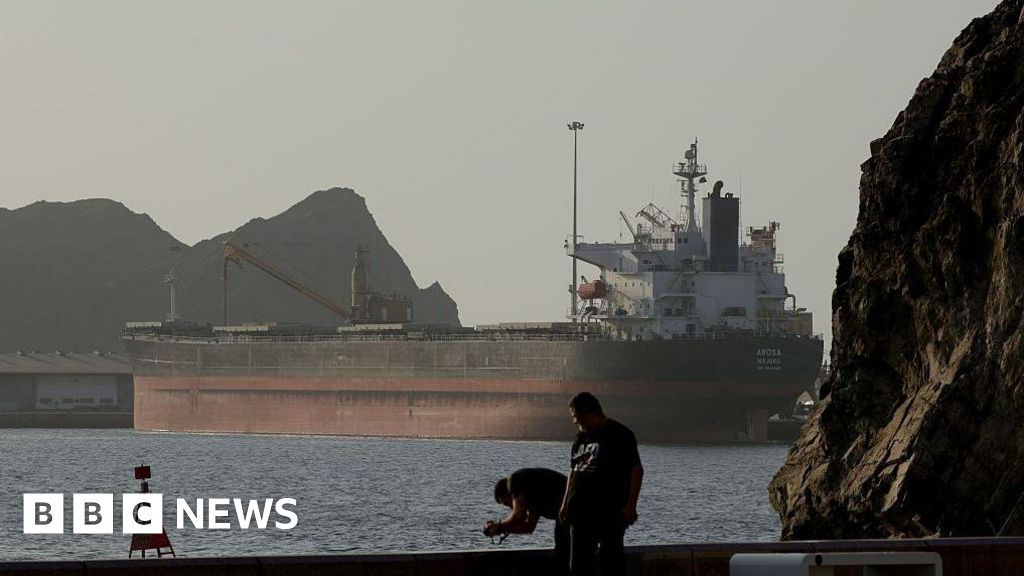
Iran war costs estimated at $132 billion for U.S. consumers and taxpayers

7 reported2 unconfirmed
A months-long conflict between the U.S.-led coalition and Iran has cost U.S. consumers and taxpayers an estimated $132 billion so far, according to Moody’s Analytics, with effects expected to linger for years. The war, which involved the near shutdown of the Strait of Hormuz, led to soaring gasoline prices, higher mortgage rates, and disruptions to global supply chains. The Pentagon has reported $29 billion in operational costs as of May 12, with 13 U.S. service members and more than 3,300 Iranians killed, according to state media. The World Bank cut its 2026 global growth forecast to 2.5%, the lowest since the pandemic, while the International Monetary Fund slashed its forecasts, particularly for Qatar. Political polling showed President Trump’s net approval rating fell from -15 percentage points in February to -22 by the end of May. A ceasefire framework includes a plan for $300 billion toward Iran’s reconstruction, according to the Trump administration.
What’s reported
Moody’s Analytics estimates the war has cost U.S. consumers and taxpayers about $132 billion so far.
Gasoline prices rose from under $3 a gallon to a peak of $4.56 a gallon after the Strait of Hormuz was cut off, according to AAA.
The Pentagon comptroller cited $29 billion in operational costs during a Senate Armed Services Committee hearing on May 12.
13 U.S. service members and more than 3,300 Iranians were killed, according to state media.
The World Bank cut its 2026 global economic growth forecast to 2.5%, the lowest since the coronavirus pandemic.
The ceasefire framework includes a plan for $300 billion toward Iran’s reconstruction and development, according to the deal as read to reporters by the Trump administration.
President Trump’s net approval rating fell from -15 percentage points on Feb. 28 to -22 by the end of May, according to The New York Times polling aggregate.
Open questions
The Pentagon has not estimated the cost to repair its bases in the Middle East, including those in Kuwait and Bahrain, which were attacked by Iranian drones and missiles.
The World Bank did not offer a new forecast for Iran, citing “exceptionally high uncertainty.”
Key figures
Kevin Warsh, incoming Federal Reserve chief
Jules Hurst, Pentagon comptroller
President Trump
Sources: NPR