
US and Iran Sign Preliminary Agreement to End Conflict, Reopen Strait of Hormuz

7 verified5 unconfirmed2 contested
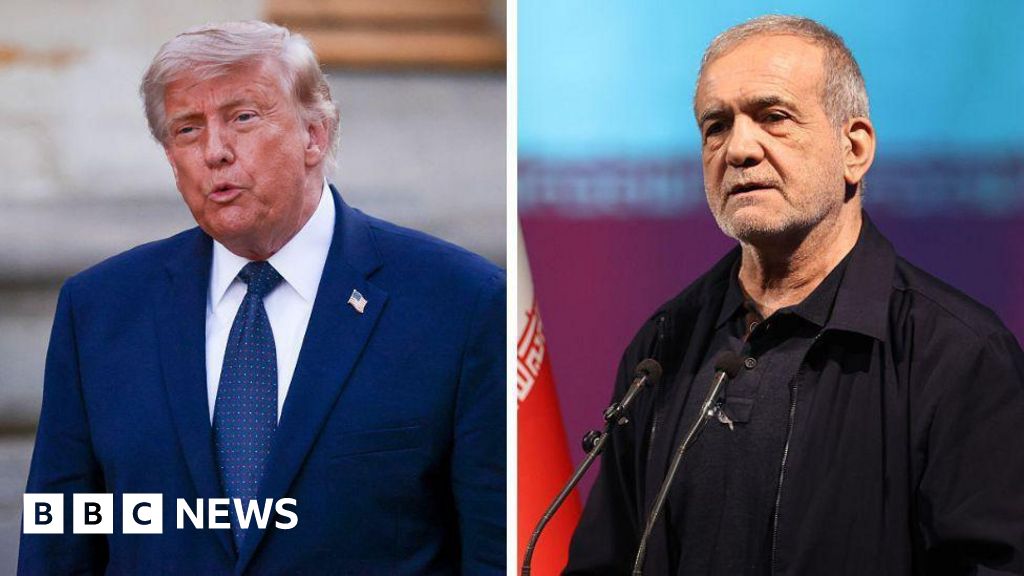
The United States and Iran have signed a preliminary agreement to extend the ceasefire and reopen the Strait of Hormuz, multiple sources report. President Donald Trump signed the document at the G7 summit in France, specifically at the Palace of Versailles. The Memorandum of Understanding includes provisions that Iran will not develop nuclear weapons, outlines a framework for sanctions relief, and commits to a $300bn reconstruction fund, with the US stating it will not contribute financially. A US official read the full text of the agreement to reporters. While Trump declared the Strait open for commercial shipping, demining operations and other obstacles mean the reopening will be gradual rather than immediate. Iran has indicated that vessels will be charged "service fees" for transit, while the US insists the waterway will be toll-free. The agreement is performance-based, with Iran benefiting only if it complies, and a 60-day timeline has been set for negotiating a final deal.
What’s verified
A US-Iran preliminary agreement has been signed to extend the ceasefire and reopen the Strait of Hormuz.
President Trump signed the agreement at the G7 summit in France, at the Palace of Versailles.
Iran has agreed not to procure or develop a nuclear weapon.
The full text of the agreement was read to reporters by a US official.
Demining operations are needed and underway to allow ships to transit the Strait of Hormuz.
The reopening of the Strait is not immediate and faces practical hurdles, despite Trump's declaration.
Iran has stated that vessels will pay "service fees" for transit, while the US says the Strait will be toll-free.
Where accounts differ
The US has stated that no tolls will be charged for transit through the Strait of Hormuz, while Iran has said vessels will pay "service fees" for navigation-related services. There is disagreement over whether these fees constitute a toll prohibited by international law.
The agreement states that traffic through the Strait will begin "immediately," but on-the-ground reports indicate that the reopening is gradual and not yet in effect, with demining and other obstacles still being addressed.
Not yet confirmed
The exact mechanism for handling Iran's enriched uranium is not specified in the agreement.
The timeline for lifting US sanctions on Iran remains unclear.
Whether a formal signing ceremony in Geneva will still take place is uncertain.
The $300bn reconstruction fund mentioned in the agreement is not detailed, and the US has stated it will not contribute financially.
The number of ships currently stuck in the Persian Gulf is reported as around 1,500 by a single source.
Key figures
President Donald Trump
Iranian President Masoud Pezeshkian
Vice President JD Vance