

UK inflation holds at 2.8% in May as food price slowdown offsets transport rises

9 reported
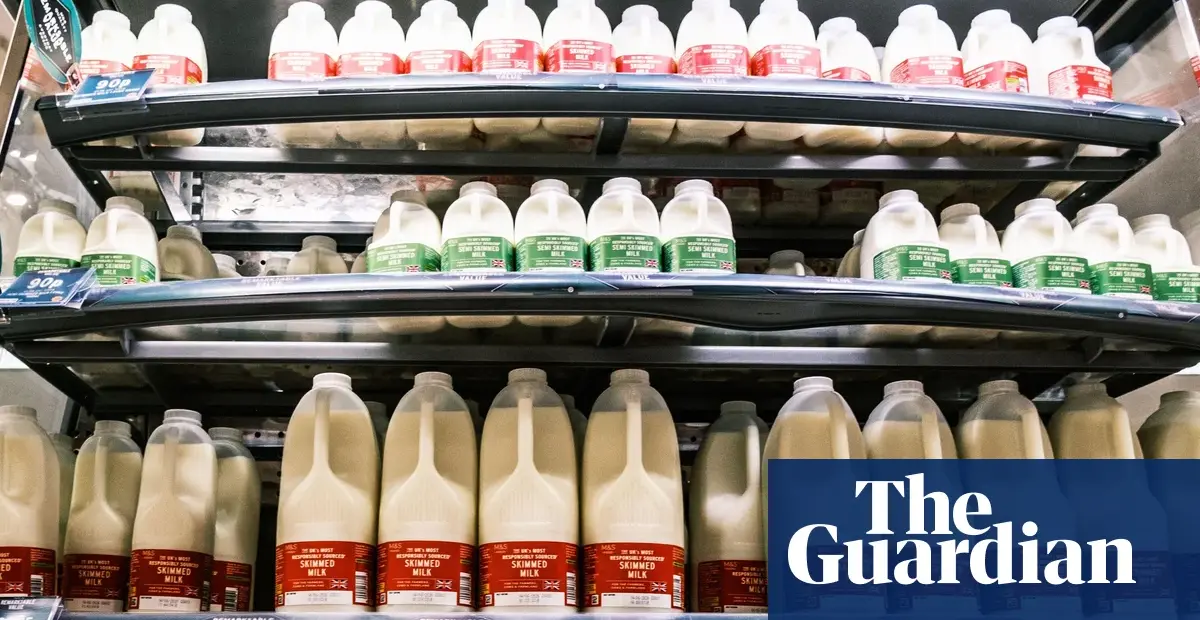
UK inflation unexpectedly remained at 2.8% in May, according to data from the Office for National Statistics, as rising energy costs caused by the Iran conflict were offset by slower increases in food prices. The reading on the consumer price index (CPI) confounded economists’ expectations of a 3% increase, as the conflict restricted global energy flows. The CPI figure followed a decline in inflation to 2.8% in April, after cuts to domestic gas and electricity bills announced at last year’s budget took effect. Grant Fitner, chief economist at the ONS, said the main upward movement came from transport, with air fares, vehicle taxes and petrol prices pushing up inflation, while lower food prices and a fall in domestic heating oil costs offset these increases. The chancellor, Rachel Reeves, stated that the government’s economic plan has kept inflation steady despite global price pressures from the war in the Middle East. The Treasury’s cost of borrowing fell after the inflation reading, with the yield on 10-year government bonds dropping to 4.74%, the lowest in a month. Core inflation, which excludes energy and food, rose to 2.6% from 2.5% in April, with transport costs rising at a rate of 6.8% in May, the highest since December 2022.
What’s reported
UK CPI inflation remained at 2.8% in May, unchanged from April.
Economists had expected a 3% increase.
The Iran conflict restricted global energy flows, driving up oil prices.
Transport costs rose at 6.8% in May, up from 4.5% in April.
Air fares increased 10.3% between April and May, compared with a 5% fall in the same period in 2025.
Food price inflation eased to 2.2%, the lowest since December 2024.
Core inflation rose to 2.6% in May from 2.5% in April.
The yield on 10-year government bonds fell to 4.74%, the lowest in a month.
The Bank of England’s monetary policy committee is widely expected to leave interest rates at 3.75% on Thursday.
Key figures
Grant Fitner, chief economist at the Office for National Statistics (ONS)
Rachel Reeves, chancellor
Suren Thiru, chief economist at the Institute of Chartered Accountants in England and Wales
Donald Trump, former US president (mentioned in context of a peace deal with Iran)
Sources: The Guardian