


Researchers identify hydrogen radicals as key to breaking down PFAS

6 reported
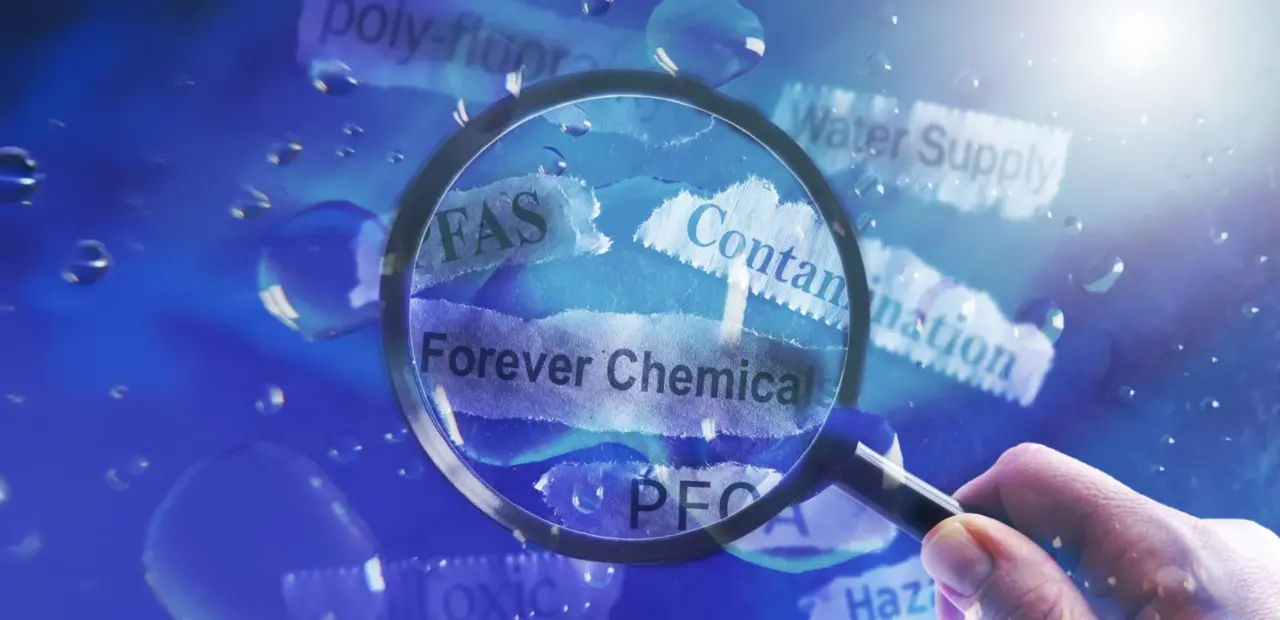
A study from Aarhus University has identified a mechanism that could help destroy PFAS, known as "forever chemicals," rather than simply moving them. Researchers found that hydrogen radicals generated from water by intense ultraviolet light can break down PFAS molecules. The process works best under high-energy UV light, particularly at wavelengths below 300 nanometers. The discovery challenges earlier ideas that focused on other reactive species as the primary drivers of PFAS degradation. Associate Professor Zongsu Wei, who led the study, stated that understanding this mechanism provides a clearer direction for designing more efficient and sustainable technologies. The researchers caution that the degradation process remains relatively slow and can produce intermediate compounds, so it is not an immediate solution. The findings were published in the journal Environmental Science.
What’s reported
Researchers from Aarhus University discovered that hydrogen radicals generated from water by intense UV light can break down PFAS molecules.
The reaction works best under high-energy UV light, especially at wavelengths below 300 nanometers.
The finding challenges earlier ideas that focused on other reactive species as the primary drivers of PFAS degradation.
Associate Professor Zongsu Wei led the study and stated the discovery offers guidance for future technology development.
The researchers caution that the degradation process is still relatively slow and intermediate compounds can form.
The study was published in Environmental Science (DOI: 10.1021/acs.est.5c16178).
Key figures
Associate Professor Zongsu Wei, Aarhus University (lead researcher)
Lu Bai, Shuang Luo, Jan Thøgersen, Xingaoyuan Xiong, Zheng Guo (co-authors listed in journal reference)
Sources: ScienceDaily