


Qatari Negotiators Fly to Tehran to Push U.S.-Iran Deal Forward

9 reported3 unconfirmed1 conflicting
According to a single-source report from NBC News, Qatari negotiators flew to Tehran on Sunday to help finalize a U.S.-Iran deal expected to reopen the Strait of Hormuz. The push has been complicated by fresh Israeli strikes on Beirut, which President Donald Trump criticized on Truth Social as happening “on a special day when we are so close to a Peace Deal with Iran.” Trump stated the deal is “scheduled to get signed tomorrow,” but Iran has not announced a final decision, and Iranian officials have raised doubts following the strikes. The head of Iran’s negotiating delegation, Mohammed Bagher Ghalibaf, posted that if America cannot stop Israel, “then talking about the process is no longer possible.” The memorandum of understanding would reopen the Strait of Hormuz without tolls, restore prewar shipping within about 30 days, and lift the U.S. blockade of Iran’s ports, according to sources cited by NBC News. However, Iran’s Foreign Minister Abbas Araghchi outlined terms that differ from the U.S. interpretation, including plans to charge a service fee for ships passing through the strait. The deal also requires an end to fighting in Lebanon, though Israel is not a direct party to the agreement and has continued strikes against Hezbollah.
What’s reported
Qatari negotiators flew to Tehran on Sunday to help finalize the U.S.-Iran deal, per a source with knowledge of the situation.
President Trump said on Truth Social that Israeli strikes on Beirut “should not have happened” and urged all sides to stand down.
Three people were killed in Sunday’s strike on Beirut’s southern Dahieh suburb, according to Lebanon’s Civil Defense Ministry.
The Israeli military said it was attacking Hezbollah targets in response to projectiles fired at northern Israel.
Trump said on Saturday the deal is “scheduled to get signed tomorrow,” but Iran’s Foreign Ministry spokesman Esmail Baghaei said later that day “it will not be tomorrow.”
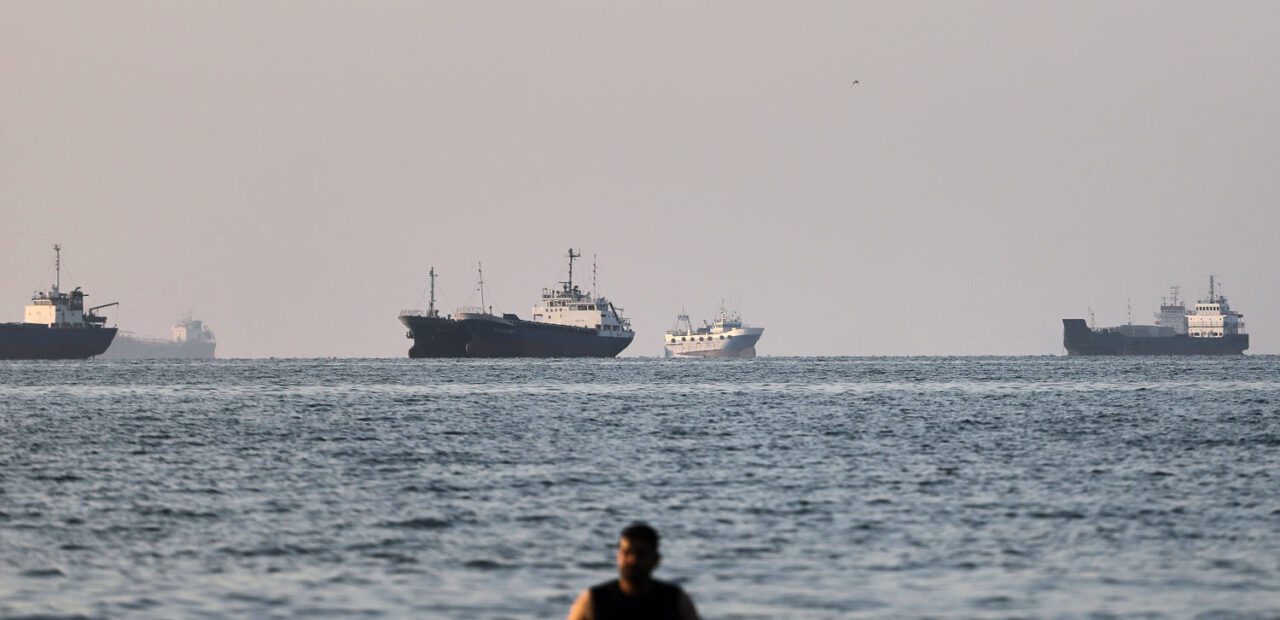
The memorandum of understanding would reopen the Strait of Hormuz without tolls, restore prewar shipping within approximately 30 days, and lift the U.S. blockade of Iran’s ports.
Iran’s Foreign Minister Abbas Araghchi said Tehran intends to charge a service fee for ships passing through the strait and that Iran’s “sword will remain poised over the Strait of Hormuz indefinitely.”
Details on Iran’s nuclear program and lifting of sanctions will be finalized in the next stage of negotiations, Araghchi said.
Iran’s Maj. Gen. Mohsen Rezaei said Trump agreed to release $24 billion of Iran’s frozen assets, but Trump told Axios he demanded clarification and said officials “apologized for putting out false information.”
Conflicting accounts
The source article reports conflicting interpretations of the deal: U.S. officials cited destruction of Iran’s nuclear program as a key objective, while Iran’s Foreign Minister Araghchi outlined terms that include charging a service fee for strait passage and indefinite control over the waterway. Additionally, Iran’s Maj. Gen. Rezaei claimed Trump agreed to release $24 billion in frozen assets, but Trump denied this and said officials apologized for false information.
Open questions
The exact timeline for signing the memorandum of understanding remains unclear, as Trump said it would be signed “tomorrow” but Iran’s spokesman said “it will not be tomorrow.”
Whether Israel will cease strikes on Lebanon as part of the deal is uncertain, since Israel is not a direct party to the agreement.
The final terms regarding Iran’s nuclear program and sanctions relief have not been specified.
Key figures
President Donald Trump
Mohammed Bagher Ghalibaf (head of Iran’s negotiating delegation)
Mohammad Jafar Assadi (deputy commander of Iran’s Khatam al-Anbiya Central Headquarters)
Pakistani Prime Minister Shehbaz Sharif
Esmail Baghaei (Iran’s Foreign Ministry spokesman)
Abbas Araghchi (Iran’s Foreign Minister)
Sen. Lindsey Graham (R-S.C.)
Maj. Gen. Mohsen Rezaei (military adviser to Iran’s Supreme Leader)
Supreme Leader Mojtaba Khamenei
Sources: NBC News