


U.S. and Iran Signal Peace Deal Imminent as Oil Prices Drop

8 verified5 unconfirmed3 contested
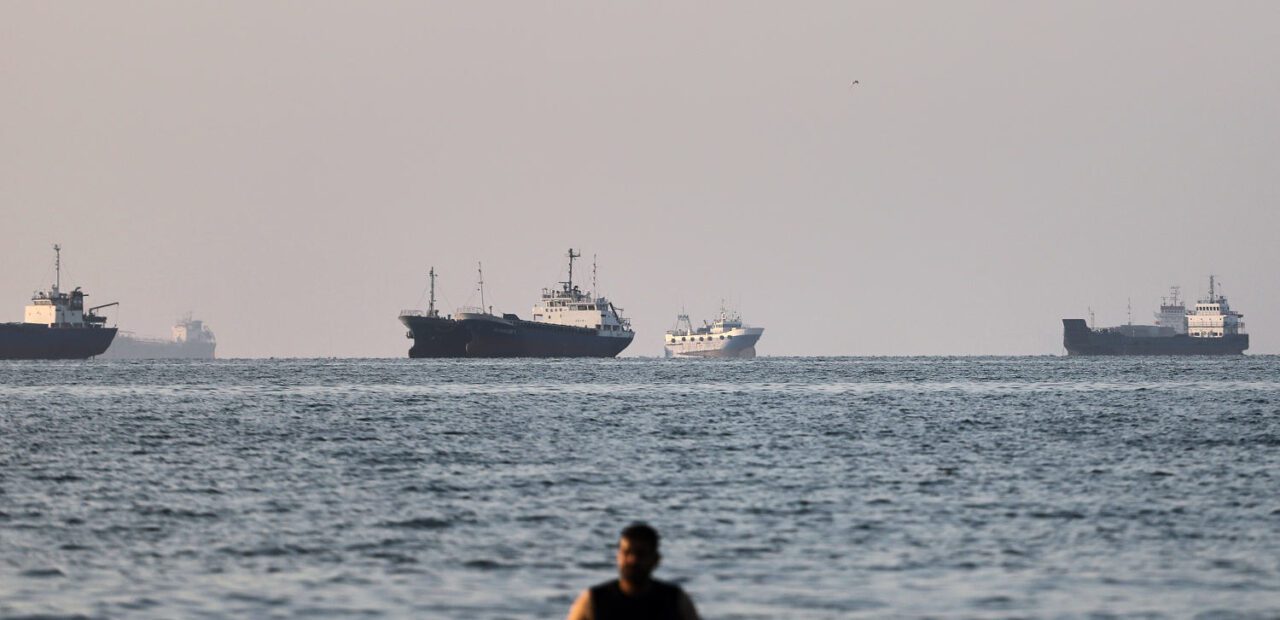
Officials from the United States, Iran, and Pakistan have indicated that a peace deal to end the ongoing conflict could be signed within days. The proposed agreement would reopen the Strait of Hormuz, which Iran has blocked since the U.S.-Israel strikes on Iran in late February. Oil prices fell after President Donald Trump claimed a breakthrough in talks, with Brent crude dropping below $90 per barrel. Pakistani Prime Minister Shehbaz Sharif said the two sides had reached a final text and that an electronic signing could occur within 24 hours. Despite the optimistic statements, fighting continued, with U.S. Central Command reporting that it downed several Iranian drones launched at commercial ships in the strait. President Trump disputed terms of the deal that he said were leaked by Iranian media, while Iranian Foreign Minister Abbas Araghchi said an agreement had never been closer. The potential deal includes a 60-day extension of the existing ceasefire and aims to restore prewar shipping within about 30 days.
What’s verified
U.S. and Iranian officials, as well as Pakistani mediators, stated that a peace deal could be signed within days.
The proposed agreement would reopen the Strait of Hormuz, which Iran has blocked since the U.S.-Israel strikes on Iran in late February.
The deal includes a 60-day extension of the current ceasefire and aims to restore prewar shipping.
Oil prices fell after President Donald Trump indicated a breakthrough, with Brent crude dropping below $90 per barrel.
Iranian Foreign Minister Abbas Araghchi said an agreement had never been closer.
Pakistani Prime Minister Shehbaz Sharif said the two sides had reached a final text and that an electronic signing could occur within 24 hours.
U.S. Central Command reported that it downed several Iranian drones launched at commercial ships in the Strait of Hormuz on June 12-13.
The release of up to $24 billion in frozen Iranian assets has been reported as part of the deal, though Trump denied agreeing to that figure.
Where accounts differ
One source states the current ceasefire has effectively collapsed with both sides resuming strikes, while other sources refer to the ceasefire as still in place and being extended.
One source says the deal includes an end to fighting in Lebanon, while another lists Israel's war with Hezbollah as a remaining sticking point.
U.S. President Trump denied agreeing to release $24 billion in frozen Iranian assets, while other sources reported that such a release is part of the agreement.
Not yet confirmed
It is unclear whether Iran will charge fees or tolls for ships passing through the Strait of Hormuz; Araghchi said Iran would charge a service fee, while other details suggest the memorandum of understanding would reopen the strait without tolls.
The lifting of the U.S. blockade of Iran's ports as part of the agreement has been reported by a single source.
The reported deportation of Pakistani Shia workers from the United Arab Emirates, linked to Pakistan's mediation role, has been described by a single source.
Whether Saudi Arabia and Pakistan normalizing ties with Israel is a condition of the deal has been reported by a single source.
The exact terms regarding Iran's nuclear program remain to be negotiated in a later stage, according to a single source.
Key figures
President Donald Trump, Iranian Foreign Minister Abbas Araghchi, Pakistani Prime Minister Shehbaz Sharif, Iranian Supreme Leader Mojtaba Khamenei, Pakistani Foreign Minister Ishaq Dar, Swiss Foreign Minister Ignazio Cassis, Major Gen. Mohsen Rezaie, Sen. Lindsey Graham, Treasury Secretary Scott Bessent
Sources: NBC News, abcnews.com, dw.com, csmonitor.com