

Climate subsidence risk for millions of UK homes, BGS analysis finds

8 reported
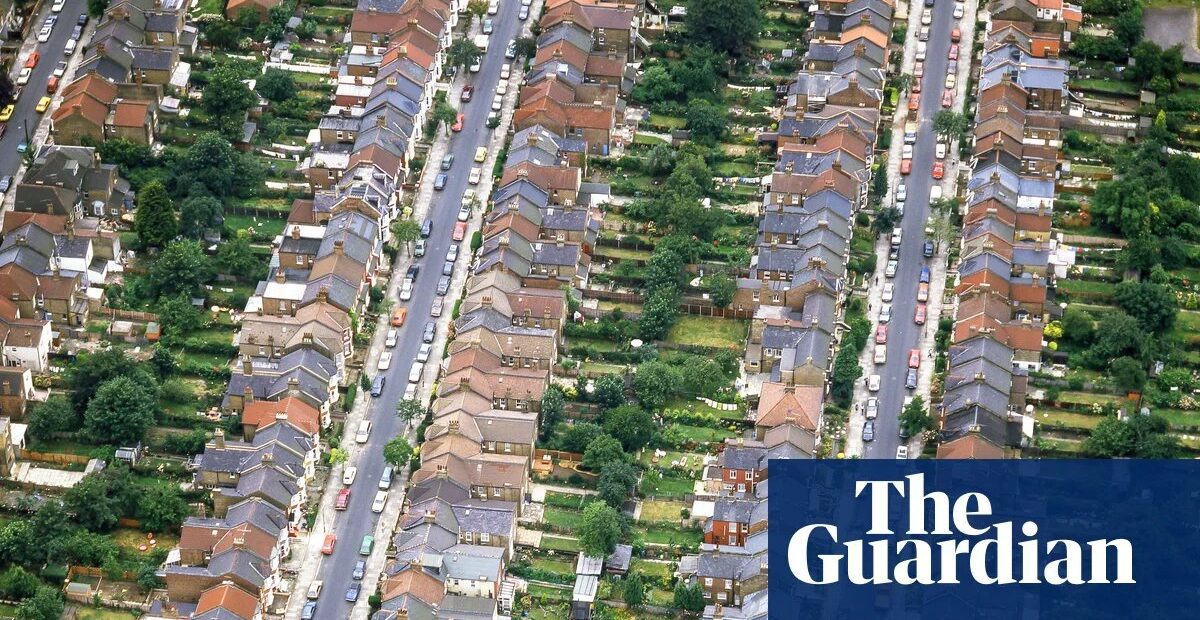
An analysis by the British Geological Survey (BGS) warns that millions of homes in London, Essex, Kent and a band from Oxford to the Wash are at risk from climate-related subsidence. Hotter, drier summers driven by global heating can cause the ground under houses to shrink, dragging down foundations. BGS scientist Anna Harrison said the combination of geotechnical data with projected rainfall and temperature scenarios identified areas most likely to become susceptible to shrink-swell subsidence, calling London a "double whammy" due to higher building density and greater expected climate changes. The dataset projects that by 2070, about 500,000 properties could be affected under a low emissions scenario aligned to the Paris climate agreement, rising to more than 1.8 million under a medium scenario closest to current global emissions trajectories. In 2025, the UK experienced its warmest spring on record and driest in over 50 years, with £153 million in subsidence-related insurance claims in the first six months. Highly populated parts of London including Camden, Islington and Barnet are most susceptible, and under the medium scenario, over 26% of capital properties could be affected by 2070.
What’s reported
The analysis was conducted by the British Geological Survey (BGS).
Most vulnerable areas include London, Essex, Kent, and a tranche from Oxford to the Wash.
Hotter, drier summers cause ground shrinkage that can drag down foundations.
By 2070, about 500,000 properties could be affected under a low emissions scenario; over 1.8 million under a medium scenario.
In 2025, the UK had the warmest spring on record and driest in more than 50 years.
There were £153m in subsidence-related insurance claims in the first six months of 2025.
Highly susceptible London areas include Camden, Islington, and Barnet.
Under the medium scenario, over 26% of London properties could be affected by 2070.
Key figures
Anna Harrison, scientist at the British Geological Survey (BGS)
Sources: The Guardian