


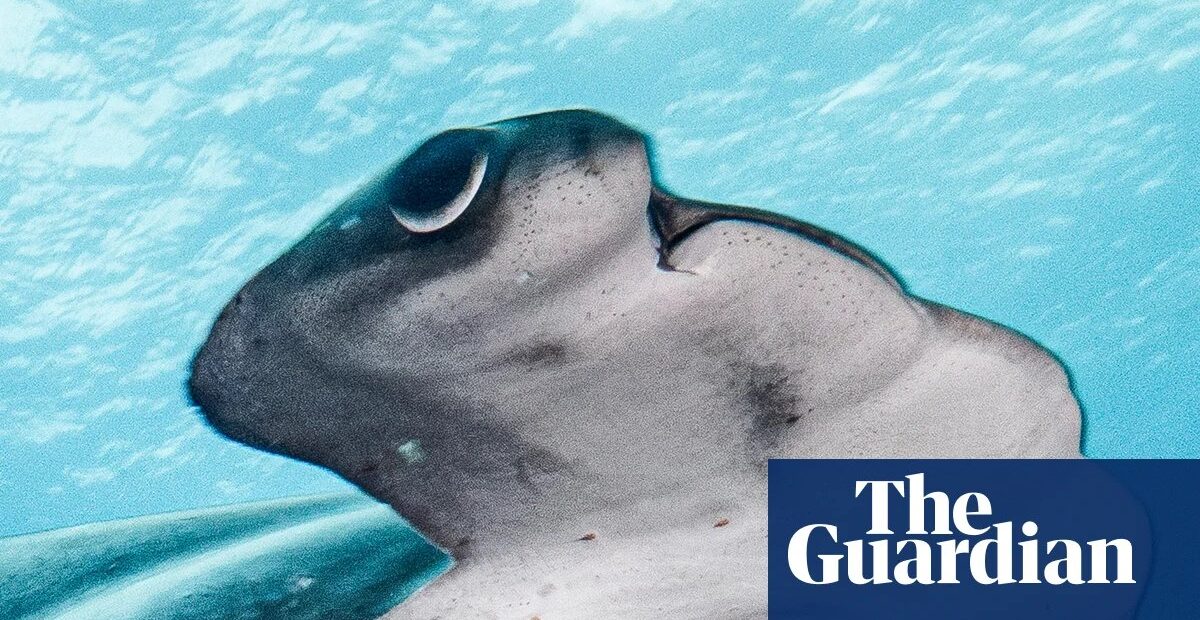
Galapagos scalloped hammerhead sharks face threats beyond marine reserve

7 reported
A single-source report from the Charles Darwin Foundation details the challenges facing critically endangered scalloped hammerhead sharks in the Galapagos Islands. Marine biologists are using non-lethal techniques such as skin biopsies and satellite tags to study the sharks’ migrations and birthing patterns. Research shows that most tagged scalloped hammerheads swim from the Galapagos to Panama, where pregnant females give birth in mangrove forests. Despite protections within the Galapagos marine reserve, illegal longline fishing persists, and the sharks face additional threats from industrial and artisanal fisheries along their migration route. The species was recently recategorized under Appendix I of the Convention on the Conservation of Migratory Species, requiring signatory countries to introduce full protections. The foundation is now working with Panamanian authorities to strengthen protections for the sharks in nursery areas.
What’s reported
Scalloped hammerhead sharks are critically endangered, having declined by at least 80% globally, largely due to overfishing.
At peak season, about 150 scalloped hammerheads roam each hectare of sea near Darwin and Wolf islands.
A 2023 satellite tag tracked a scalloped hammerhead swimming from Galapagos to Panama (800 miles) and then another 1,800 miles west.
Eight out of 10 tagged scalloped hammerheads have swum to Panama, with most likely pregnant females.
In March 2026, the diving team found multiple illegal longlines inside the Galapagos marine reserve, including one that hooked two green turtles.
The species was recategorized into Appendix I of the Convention on the Conservation of Migratory Species at a meeting in Brazil.
Panama recently banned the international shark trade but still permits artisanal fishing.
Key figures
Carlos Robalino, marine biologist and junior researcher at the Charles Darwin Foundation
Simon McKinley, ecologist with the dive team
Pelayo Salinas de León, senior marine ecologist at the Charles Darwin Foundation
Sources: The Guardian