

France and Germany abandon joint European fighter jet project

15 reported3 unconfirmed
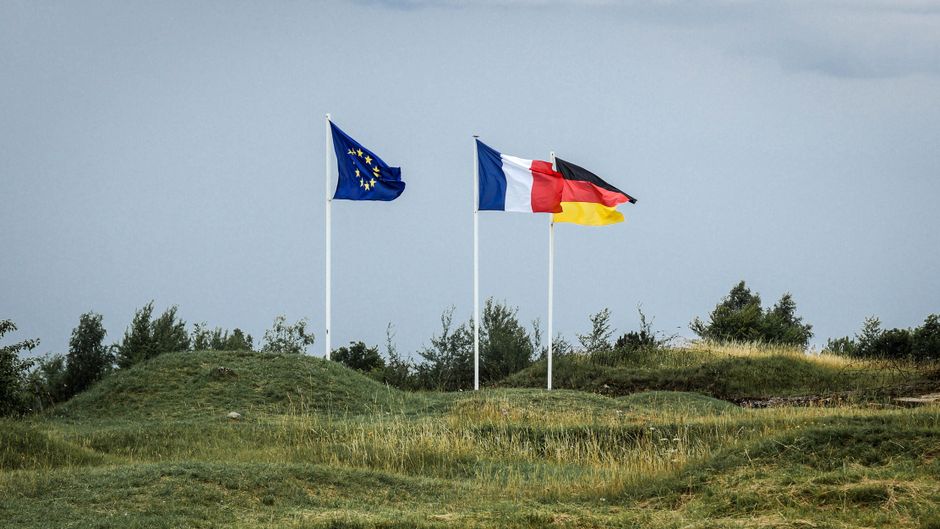
France and Germany have abandoned the joint Future Combat Air System (FCAS) project to build a European fighter jet, officials in Berlin said, dealing a blow to Europe’s common defense efforts. The French president, Emmanuel Macron, and the German chancellor, Friedrich Merz, reached a shared assessment that the companies involved will not be able to reach an agreement, an official told Agence France-Presse. The €100bn project, launched in 2017 by Macron and Merz’s predecessor Angela Merkel, was intended to replace France’s Rafale jets and the Eurofighter used by Germany and Spain by about 2040. Disagreements between France’s Dassault Aviation and the European aerospace group Airbus over leadership and control of the development programme had dogged the project. Dassault reportedly insisted on being the lead partner to protect its intellectual property, while Airbus pushed for a more equal partnership with significant technology transfers. Paris and Berlin were also at odds over the type of jet, with France seeking a single European model and Germany citing different needs due to French planes carrying nuclear weapons and landing on aircraft carriers. The decision to announce the end of the project was discussed by Merz and Macron on Friday on the sidelines of a summit between EU and western Balkans leaders in Montenegro.
What’s reported
France and Germany have concluded that companies involved in building a joint fighter jet will not be able to reach an agreement and have abandoned the project, according to officials in Berlin.
The French president, Emmanuel Macron, and the German chancellor, Friedrich Merz, reached the shared assessment that the companies will not be able to come together, an official told AFP.
The Future Combat Air System (FCAS) was launched in 2017 by Macron and Merz’s predecessor, Angela Merkel, to replace France’s Rafale jets and the Eurofighter used by Germany and Spain by about 2040.
The €100bn project has been dogged by disagreements between Dassault Aviation (France) and Airbus (representing German and Spanish interests) over leadership and control.
Dassault reportedly insisted on being the lead partner to protect its intellectual property; Airbus pushed for a more equal partnership with significant technology transfers.
Paris and Berlin were at loggerheads over the type of jet: France sought a single European model, Germany said its needs were not the same because French planes needed to carry nuclear weapons and land on aircraft carriers.
Merz has previously questioned whether developing a crewed sixth-generation fighter jet makes sense for Germany and said EU member states do not all have the same military hardware requirements.
The abandonment is a heavy blow to European countries’ efforts to cooperate more closely on defence.
The programme includes the jet fighter, drones, and a high-security combat data cloud; European sources told Reuters it was possible development of the latter two could continue.
A German government source told AFP the “actual core” of FCAS is to be continued as a European system, describing it as a “nervous system that networks aircraft, drones and other components”.
Macron’s office did not immediately comment.
German government sources said Merz and Macron discussed the decision to announce the end on Friday on the sidelines of a summit between EU and western Balkans leaders in Montenegro.
Two mediators, one from each country, were tasked in March with coming up with proposals to rescue the initiative but were unable to do so.
The head of Dassault insisted the company could handle the project alone and did not want it to be “co-managed”.
There was no immediate comment on Monday from Dassault or Airbus.
Open questions
Whether the development of the drones and combat data cloud elements of the FCAS programme will continue.
What form the “European system” continuation of the FCAS core will take.
How the abandonment will affect France’s upcoming elections and Macron’s legacy.
Key figures
Emmanuel Macron, French president
Friedrich Merz, German chancellor
Angela Merkel, Merz’s predecessor as German chancellor
Dassault Aviation (company)
Airbus (European aerospace group)
Sources: The Guardian