



Guardian Columnist: Brexit Legacy Includes Economic Harm and Political Polarization

12 reported
A Guardian columnist argues that the 2016 Brexit referendum has left lasting damage on Britain’s economy, political discourse, and national conversation, according to a single-source opinion piece published on June 5, 2026. The article reflects on the upcoming 10th anniversary of the vote and cites a forthcoming BBC documentary series, “Brexit: A Very British Civil War,” which features interviews with key players. The columnist writes that the referendum originated as a tactical ploy by then-Prime Minister David Cameron and Chancellor George Osborne to placate Eurosceptics, a promise they expected never to fulfill. The piece asserts that the Leave campaign relied on knowingly dishonest claims, including the £350 million weekly figure for EU payments, which did not account for rebates or EU spending in the UK. The columnist states that Brexit has led to estimated GDP losses of 6% to 8%, a 15% reduction in trade, and an 18% drop in investment, citing the Office for Budget Responsibility. The article also claims that Brexit accelerated a coarsening of public discourse and invited far-right elements into mainstream politics, pointing to the rise of the Restore Britain party and recent comments by a potential future prime minister about “anti-white prejudice.” The columnist notes that a majority of Britons now favor rejoining the EU, with 56% supporting rejoin versus 35% against, according to the most recent count.
What’s reported
The article is a single-source opinion piece by Guardian columnist Jonathan Freedland, published June 5, 2026.
It references the upcoming BBC documentary “Brexit: A Very British Civil War” by Norma Percy.
The columnist states the 2016 referendum was a tactical ploy by David Cameron and George Osborne to placate Eurosceptics, a promise they expected not to keep.
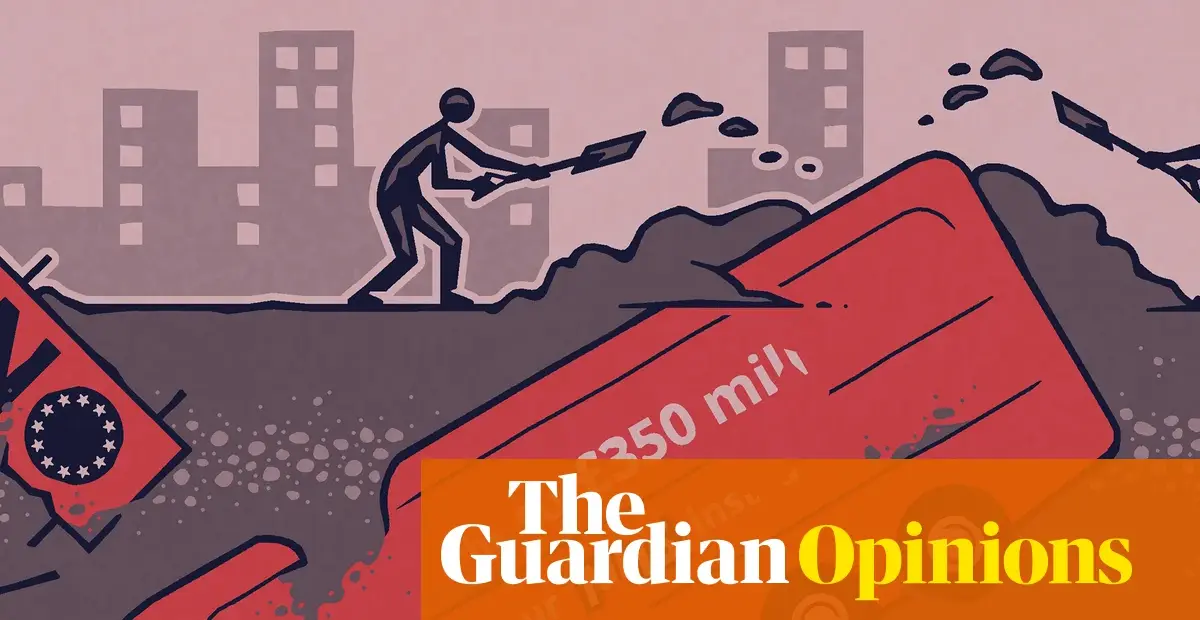
The Leave campaign used a claim of sending £350 million weekly to the EU, which the columnist says was a gross figure not including rebates or EU spending in the UK.
Dominic Cummings, Boris Johnson’s adviser, is quoted as saying the point of using that figure was to “drive the remain campaign and people running it crazy.”
Boris Johnson is quoted calling the bus “the bus of truth.”
The Office for Budget Responsibility is cited stating trade is on course to be 15% less than it would have been inside the EU.
The article reports GDP loss estimates of 6% to 8% and investment down by as much as 18%.
85% of those who import or export goods report problems they did not have before Brexit.
The columnist writes that the Leave campaign used a “breaking point” poster and a Vote Leave ad suggesting 76 million Turks could enter Britain via the EU.
The article mentions the Restore Britain party, endorsed by white supremacists and neo-Nazis, is on the ballot in the Makerfield byelection and might win 10% of the vote.
A majority of Britons (56% to 35%) now favor rejoining the EU, per the most recent count cited in the article.
Key figures
Jonathan Freedland (Guardian columnist, author of the article)
David Cameron (former Prime Minister)
George Osborne (former Chancellor)
Boris Johnson (former Prime Minister)
Dominic Cummings (former adviser to Boris Johnson)
Nigel Farage (mentioned in context of Leave campaign)
Keir Starmer (current Prime Minister, mentioned in passing)
Norma Percy (documentarian)
Elon Musk (mentioned in context of social media)
Sources: The Guardian