


Ebola outbreak prompts $60m in emergency vaccine funding

9 reported
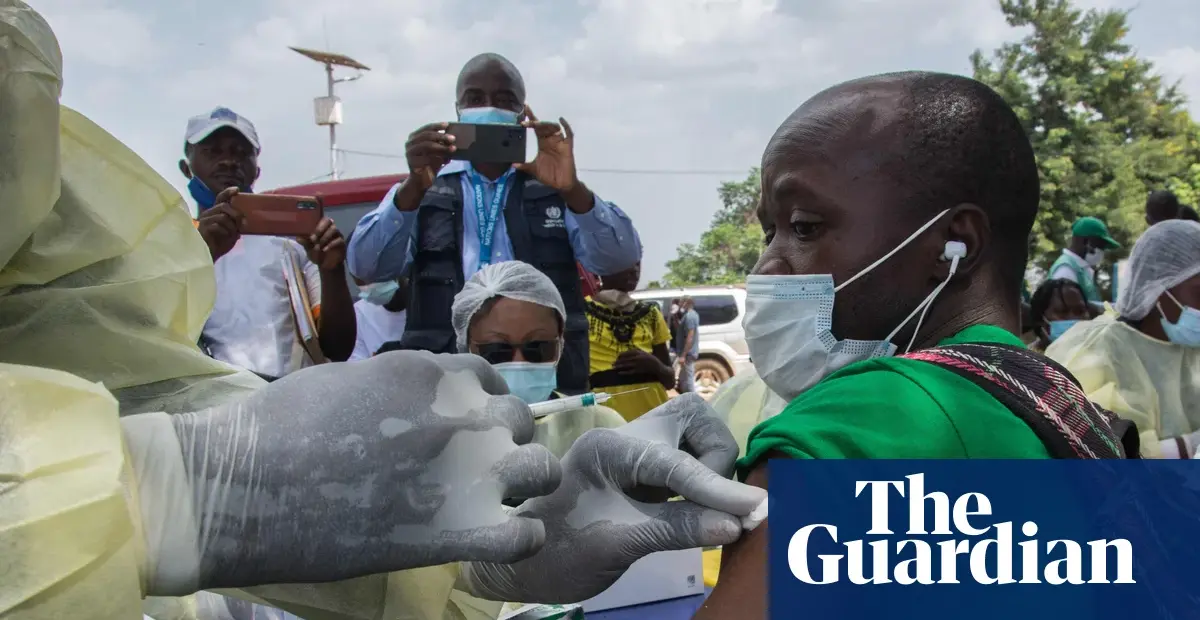
The Guardian reports that no vaccine or treatment is currently available for the Bundibugyo strain of Ebola spreading in the Democratic Republic of the Congo and Uganda. This week, three vaccine developers received $60m in emergency funding from the Coalition for Epidemic Preparedness Innovations (CEPI) to accelerate the response. Security issues in the affected region of the DRC, where conflict has displaced tens of thousands, have made it challenging to set up drug trials, and some Ebola treatment centers have been attacked. Researchers stated they are ready to begin trials as soon as conditions allow. The vaccines are part of a broader effort that includes treatments and a prevention drug, with several candidates in development. The World Health Organization expects it will take seven to nine months before doses of the leading IAVI vaccine candidate are ready for clinical trials, while an Oxford University candidate could be available within two to three months.
What’s reported
No vaccine or treatment exists for the Bundibugyo strain of Ebola.
Three vaccine developers were awarded $60m in emergency funding by CEPI.
Security issues in the DRC, including conflict and attacks on treatment centers, have hindered trial setup.
The IAVI vaccine is considered the “most promising candidate vaccine” by the WHO.
WHO expects seven to nine months before IAVI doses are ready for clinical trials.
The Oxford University ChAdOx1 Bundibugyo vaccine could be available for trials within two to three months.
Moderna’s vaccine uses mRNA technology and CEPI committed up to $50m for its development.
Three potential treatments exist: MBP134, Maftivimab, and remdesivir.
A prevention drug, obdeldesivir, will be tested for the first time in an Ebola outbreak.
Key figures
Dr Richard Hatchett, chief executive of CEPI
Mark Feinberg, president of IAVI
Prof Teresa Lambe, Oxford Vaccine Group and Pandemic Sciences Institute
Stéphane Bancel, chief executive of Moderna
Amanda Rojek, associate professor of health emergencies at the UK’s Pandemic Sciences Institute
Prof Christophe Fraser, Oxford University
Sources: The Guardian