



Bean plants use immune receptor to summon wasps against caterpillars

5 verified2 unconfirmed
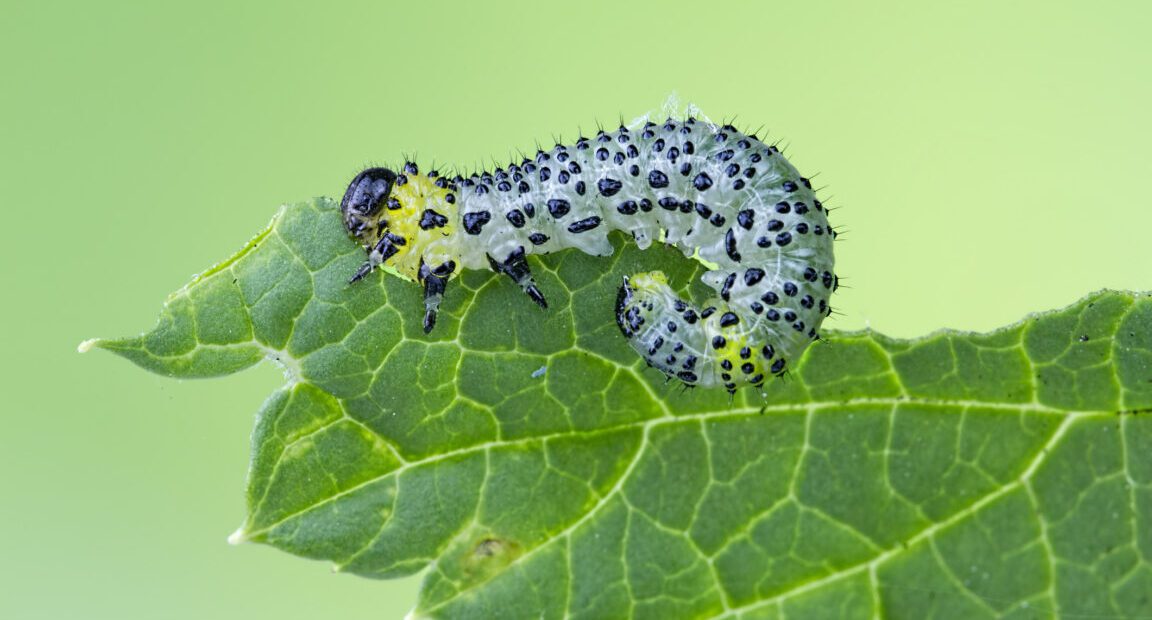
Researchers have identified the specific biological mechanism by which common bean plants call for help when caterpillars attack. When caterpillars feed on bean leaves, a compound in their saliva triggers a specialized receptor in the plant, which then releases chemical signals into the air. These volatile compounds attract parasitic wasps that prey on or lay eggs inside the caterpillars, effectively removing the threat. The discovery explains how the plant distinguishes caterpillar damage from other types of wounding. The study was published in Science Advances and led by a biologist at the University of Washington. The finding builds on decades of knowledge that plants can summon natural enemies of herbivores, but until now the specific detection mechanism was unknown.
What’s verified
Common bean plants release volatile chemical signals when caterpillars feed on them, attracting parasitic wasps.
The signal is triggered by a compound in caterpillar saliva called inceptin (or In11), which is detected by a specialized receptor in the plant.
The research identifies the receptor and mechanism that initiates this plant defense response.
The study was published in Science Advances.
The research was led by Adam Steinbrenner, a biologist at the University of Washington.
Not yet confirmed
Ars Technica reports that the inceptin compound is an 11-amino acid fragment of the plant’s own ATP synthase protein from chloroplasts, and that the receptor is called the inceptin receptor. NPR does not mention these molecular specifics.
NPR reports that the research was conducted using common bean plants in the lab and in agricultural fields in Oaxaca, Mexico. Ars Technica also mentions Oaxaca, but does not provide additional detail on the study locations.
Key figures
Adam Steinbrenner — plant biologist at the University of Washington, co-author of the study.
Sources: Ars Technica, NPR