


London tube strike causes major disruption to services and roads

12 reported
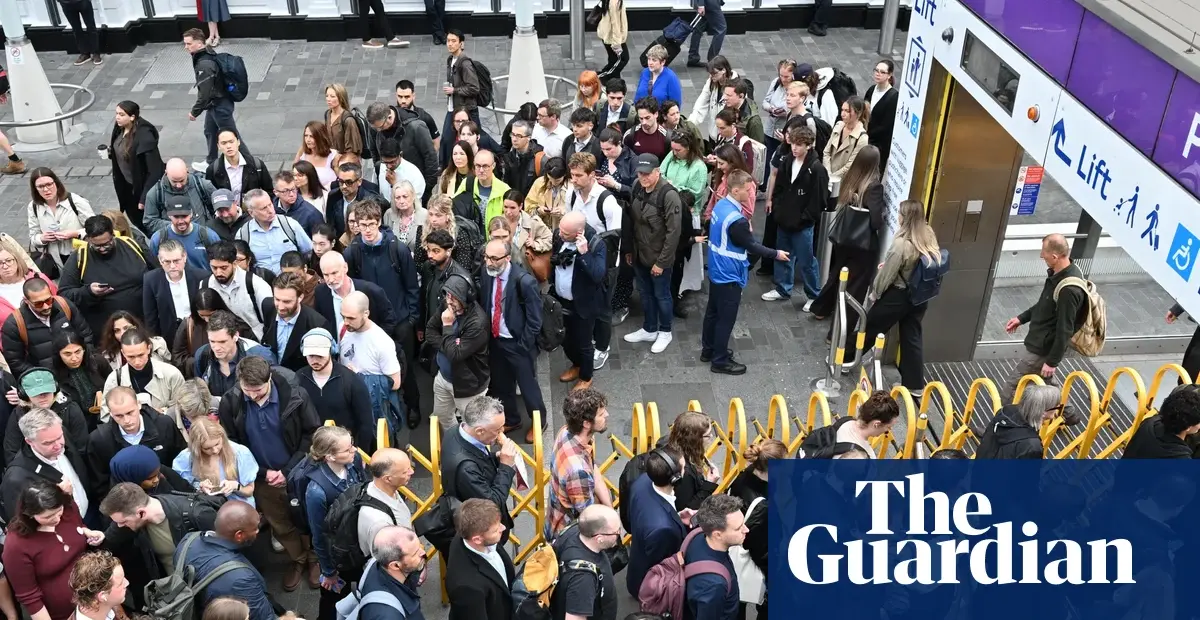
A 24-hour strike by London Underground drivers began on Tuesday, causing significant disruption to tube services and road traffic. About half of London’s tube drivers are participating in the action, which stems from a dispute over the introduction of a four-day working week. A second strike is planned for Thursday. Hopes for a resolution had been high after threatened action in May was suspended, but 11th-hour negotiations at Acas between RMT union representatives and Transport for London (TfL) failed to prevent the strike. TfL reported severe delays on multiple tube lines, including the Bakerloo, District, Hammersmith and City, Victoria, Piccadilly and Northern lines. Drivers in the Aslef union, who represent a slight majority of tube drivers, have welcomed the four-day week proposals and are not on strike, limiting the impact of the RMT’s action. Other rail services, including the Elizabeth line, London Overground and Docklands Light Railway, were running as normal, while buses were operating but very busy due to additional traffic.
What’s reported
A 24-hour strike by London Underground drivers began on Tuesday, causing huge disruption to tube services and roads.
About half of London’s tube drivers are taking part in the action over the introduction of a four-day working week.
A second strike is planned for Thursday.
Threatened action in May was suspended, but 11th-hour talks at Acas between RMT and TfL failed to prevent the strike.
TfL reported severe delays on the Bakerloo, District, Hammersmith and City, Victoria, Piccadilly and Northern lines.
Drivers in the Aslef union, a slight majority of tube drivers, are not on strike and support the four-day week proposals.
Other rail services (Elizabeth line, London Overground, Docklands Light Railway) ran as normal; buses were operating but very busy.
The RMT blamed TfL’s “refusal to engage meaningfully” with concerns over fatigue, flexibility, shift lengths and safety.
A TfL spokesperson said the four-day week proposals are voluntary and expressed disappointment at the strike.
TfL chief operating officer Claire Mann stated the four-day week is completely voluntary and drivers can remain on a five-day pattern.
The strikes run for 24 hours from 00.01 on Tuesday and Thursday, potentially less disruptive than previous walkouts in April.
BusinessLDN’s Ed Richardson said the threat of strikes had already caused cancelled bookings and uncertainty for businesses.
Key figures
RMT union representatives (not individually named)
Transport for London (TfL) spokesperson (not individually named)
Claire Mann, TfL chief operating officer
Ed Richardson, of BusinessLDN
Sources: The Guardian