



U.S. Cattle Herd at 75-Year Low; Beef Prices Rise

The Story
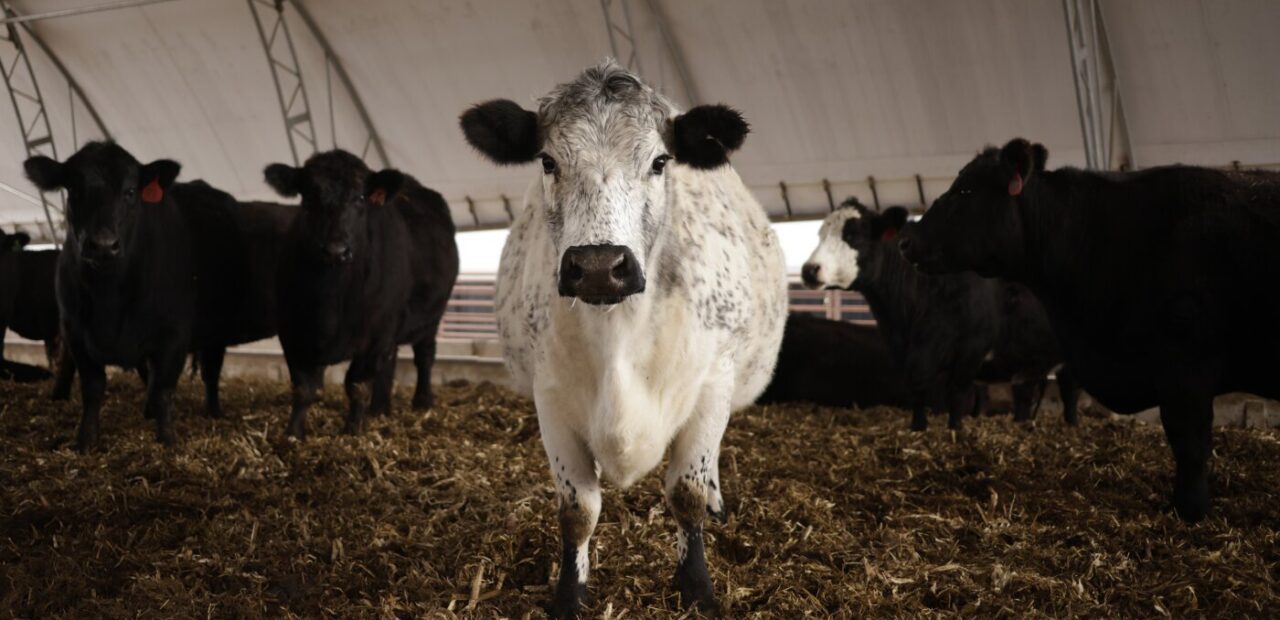
The U.S. cattle herd, including both beef and dairy cattle, is the smallest it has been in three-quarters of a century, according to USDA data. Domestic producers had 86.2 million head of cattle on the first day of this year, the lowest number since 1951. Factors such as rising costs, drought, international competition, and increased consolidation have pushed livestock numbers down.
Key Facts
- U.S. cattle herd totaled 86.2 million head on Jan. 1, 2026 – the lowest since 1951, per USDA data.
- A number of factors have been pushing livestock numbers down: rising costs, drought, international competition, and increased consolidation.
- Record-high cattle prices have prompted many producers to sell livestock and discouraged buying new animals.
- The USDA reported 882,692 cattle operations in 2017 and 732,123 five years later – a roughly 17% decline.
- The median U.S. farmer is 58 years old, according to a 2023 U.S. Senate Committee on Aging report.
- In May 2025, Agriculture Secretary Brooke Rollins blocked all imports of live cattle, horses, and bison from Mexico; Mexico accounted for about 62% of U.S. cattle imports between 2020 and 2024.
- In November, President Trump directed the Justice Department to investigate the top four meatpackers (JBS, Cargill, Tyson Foods, National Beef) for potential collusion, price fixing, and manipulation.
- Trump announced in February 2026 he would quadruple beef imports from Argentina at a lower tariff, following an October increase.
- The U.S. imported a record 4.64 billion pounds of beef in 2024, a roughly 24% increase over the previous year.
- U.S. beef production was 11,814 metric tons in 2025, a slight uptick from 2005; in 1960 it was 7,195 metric tons.
- Finished cattle today weigh 200–300 pounds more than in the 1950s, according to cattle co-owner Scott Wilbeck.
- A cow’s gestation is nine months; a calf typically grows at least 17 months before slaughter.
Conflicting Reports
No conflicting reports identified in the source article.
Still Unclear
- Whether increased beef imports from Argentina will lower retail prices or simply increase meatpacker profits, as Bill Bullard suspects.
- How quickly the cattle herd can be rebuilt given biological constraints and economic barriers for new farmers.
Misconceptions
No widespread misconceptions addressed in the source article.
Key Figures
- Bill Bullard, CEO of R-CALF USA (cattle and sheep producers group)
- Amanda Hall and Reid Hall, farmers in Lexington, Ky.
- Jason Cleere, extension beef cattle specialist at Texas A&M University
- Scott Wilbeck, pet-funeral director and co-owner of two Texas cattle operations
- Brooke Rollins, U.S. Agriculture Secretary
- President Trump
Sources: NPR