



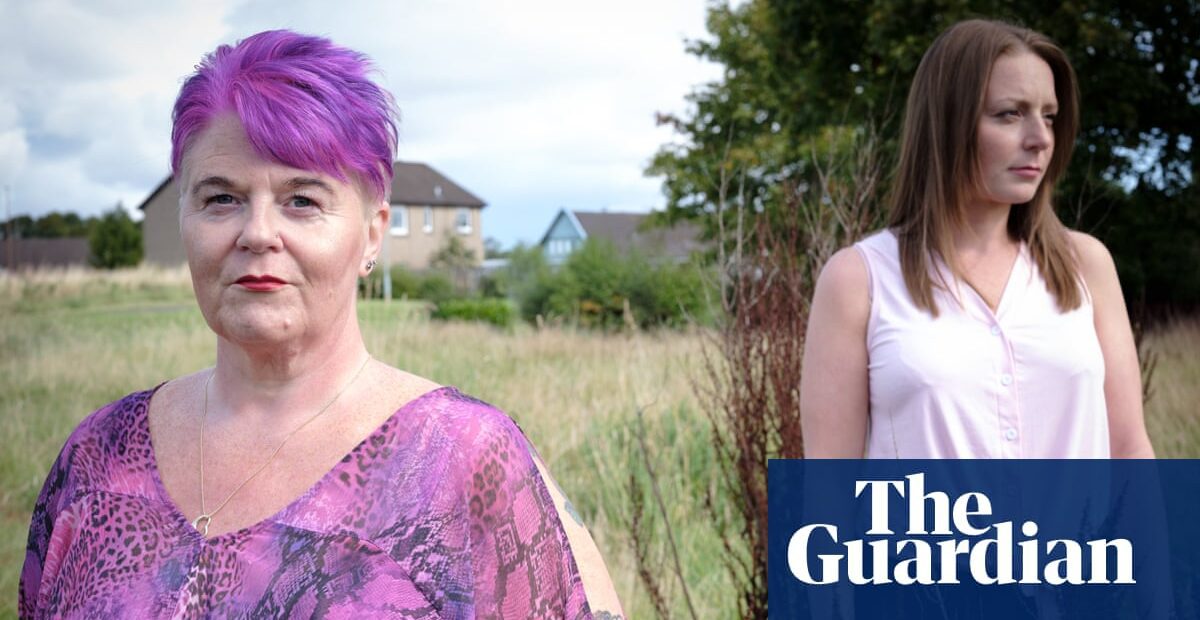
PMDD diagnosis ended 20-year struggle with rage, guilt

The Story
Wendy Barker experienced severe rage and mood swings for two decades before being diagnosed with premenstrual dysphoric disorder (PMDD) in 2000, becoming one of Britain’s first diagnosed women. Her daughter Laura Daly witnessed Barker ramming a car into their garage door seven times when Daly was six, and the family endured years of outbursts and guilt before treatment. Barker’s symptoms largely disappeared with oestrogen implants, but the NHS refused funding because PMDD was classed as a syndrome rather than a disease.
Key Facts
- Barker, now 56, had rage episodes that she usually hid from her children until they slipped out during a car incident.
- She was diagnosed by Dr Katharina Dalton after seeing her on a BBC show.
- PMDD was added to the Diagnostic and Statistical Manual of Mental Disorders in 2013 and recognised by the World Health Organization in 2019.
- Current research indicates PMDD affects up to one in 20 women of reproductive age, but only 1.6% have a formal diagnosis; a third of those diagnosed have attempted suicide.
- Many doctors have never heard of PMDD, leading to misdiagnosis and lack of treatment.
- The UK’s first charity solely for PMDD patients and families was set up in recent months.
- Treatment with oestrogen implants from Prof John Studd worked for Barker; she paid £600 every six months to travel from Edinburgh to London for them.
- Barker’s daughter once lent her £1,000 to get a new implant.
- Brighton counsellor Tamsin Taylor says mothers with PMDD are often “riddled with guilt”; there is no cure and no single proven treatment.
- Medical experts, including Dr Louise Newson, say PMDD is caused by the brain’s reaction to hormonal changes, particularly changing levels of progesterone, oestradiol, and testosterone.
- Treatments include antidepressants, contraceptives, and hormone therapy.
- Jenny Fairhurst, 41, from Crewe, noticed symptoms after her second child; her son, 10, understands the disorder and shows empathy.
- Dr Milli Raizada, a GP and women’s health expert, was diagnosed six years ago but had never heard of PMDD.
Conflicting Reports
No conflicting reports identified in the source article.
Still Unclear
The article does not specify the exact prevalence of PMDD among mothers with children or the long-term effectiveness of various treatments across different patients.
Misconceptions
The article addresses that PMDD is more severe than classic PMS, lasts longer, and manifests differently. It also distinguishes PMDD from bipolar disorder, which was initially suspected in Barker’s case.
Key Figures
- Wendy Barker (patient, 56)
- Laura Daly (Barker’s daughter, now 37)
- Dr Katharina Dalton (coined term PMS, diagnosed Barker)
- Prof John Studd (consultant gynaecologist)
- Tamsin Taylor (Brighton counsellor, known as the PMDD Therapist)
- Dr Louise Newson (women’s health expert)
- Jenny Fairhurst (patient, 41, from Crewe)
- Dr Milli Raizada (GP and women’s health expert, diagnosed with PMDD)
Sources: The Guardian