

New vision correction technique uses electricity, not lasers

The Story
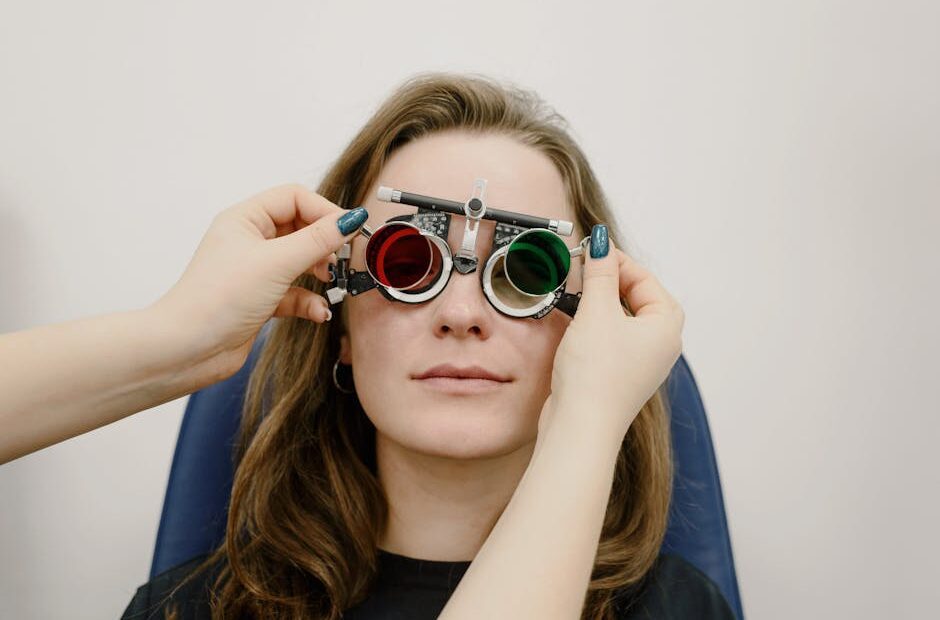
Researchers are developing an experimental technique called electromechanical reshaping (EMR) that corrects nearsightedness by softening the cornea with mild electrical pulses and a platinum contact lens, avoiding lasers or incisions. Early tests on isolated rabbit eyes achieved the intended focusing power in about one minute while preserving cell viability. The research comes from Occidental College and the University of California, Irvine, and was reported by the American Chemical Society as a single-source report.
Key Facts
- The method uses mild electrical pulses and platinum contact lenses to temporarily soften the cornea so it can be molded into a new shape.
- Tests on 12 rabbit eyeballs (10 treated for myopia) successfully achieved the intended focusing power.
- The entire reshaping process took roughly one minute.
- Cells in the tissue remained alive because pH changes were carefully controlled during treatment.
- The technique was discovered accidentally during earlier experiments with cartilage and other collagen-rich tissues.
- EMR does not remove corneal tissue, unlike LASIK, and may preserve structural strength.
- Laboratory imaging showed the cornea’s collagen structure remained largely intact with no major loss of transparency or tissue damage.
- Researchers caution the technique remains highly experimental, with no tests yet in living animals or humans.
- The research was funded by the National Eye Institute of the National Institutes of Health and the John Stauffer Charitable Trust.
Conflicting Reports
No conflicting reports identified in the source article.
Still Unclear
- How stable the reshaped cornea remains over time.
- Whether the treatment is safe in living tissue.
- How precisely EMR can correct different types of vision problems.
- Whether long-term side effects might emerge.
- When human trials might begin.
Misconceptions
No widespread misconceptions addressed in the source article.
Key Figures
- Michael Hill – chemistry professor at Occidental College.
- Brian Wong – professor and surgeon at the University of California, Irvine.
Sources: ScienceDaily