


American charged for using phone duress password at border

7 reported2 unconfirmed
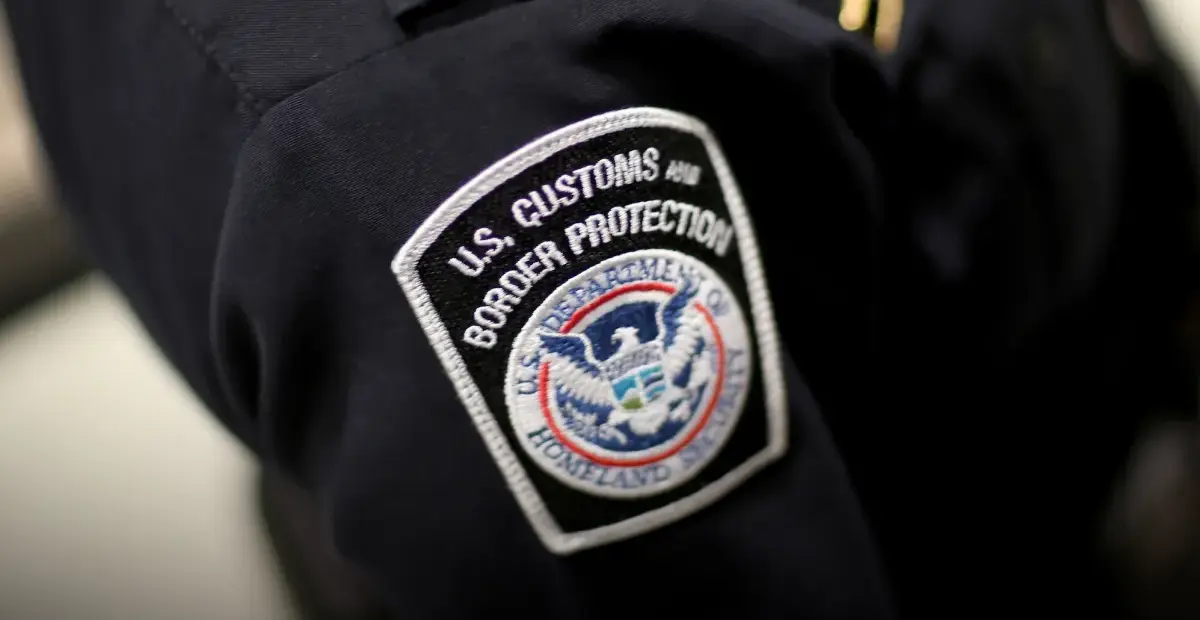
The U.S. Justice Department is prosecuting an American for allegedly providing U.S. border authorities with a passcode that wiped the contents of his phone, according to an indictment and media reports. This is thought to be the first known case in the United States where federal prosecutors have charged someone for the alleged destruction of data using a “duress” password built into a phone’s software. Atlanta resident Samuel Tunick is fighting the charges, with his attorneys arguing that it was unlawful for U.S. Customs and Border Protection to seize his phone as he arrived back in the U.S. last year. The case centers on a feature in GrapheneOS, a custom Android operating system, that allows a device owner to set a passcode that deliberately wipes the device’s contents if entered instead of the unlock passcode. Tunick’s attorneys filed a motion to suppress the evidence, claiming the detention and seizure were unlawful, and that border authorities denied him access to an attorney and did not inform him of his legal rights. Prosecutors charged Tunick under a federal statute that makes it unlawful to knowingly destroy or damage property to prevent authorities from seizing it, and he has pleaded not guilty. Security experts told TechCrunch they had not seen similar cases involving the use of duress passwords.
What’s reported
The U.S. Justice Department is prosecuting an American for allegedly providing a passcode that wiped his phone’s contents during a border search.
This is thought to be the first known U.S. case of charging someone for data destruction using a “duress” password.
Atlanta resident Samuel Tunick is fighting the charges; his attorneys say the phone seizure was unlawful.
The case involves GrapheneOS, a custom Android OS that allows a passcode to wipe the device if entered.
Tunick’s attorneys filed a motion to suppress evidence, claiming border authorities denied him an attorney and legal rights.
Prosecutors charged Tunick under a federal statute making it unlawful to knowingly destroy property to prevent seizure; he pleaded not guilty.
Security experts said they had not seen charges brought this way before.
Open questions
The Atlanta federal court has not yet ruled on Tunick’s motion to suppress.
It is unclear whether the government had evidence to justify its suspicion of child exploitation imagery.
Key figures
Samuel Tunick (Atlanta resident, defendant)
Matthew Dodge (assistant federal public defender on Tunick’s legal team)
Bill Budington (senior staff technologist, Electronic Frontier Foundation)
Runa Sandvik (digital security expert, founder of Granitt)
Sources: TechCrunch