

FDA Advisory Panel Recommends Easing Access to Unproven Peptides

7 verified5 unconfirmed1 contested
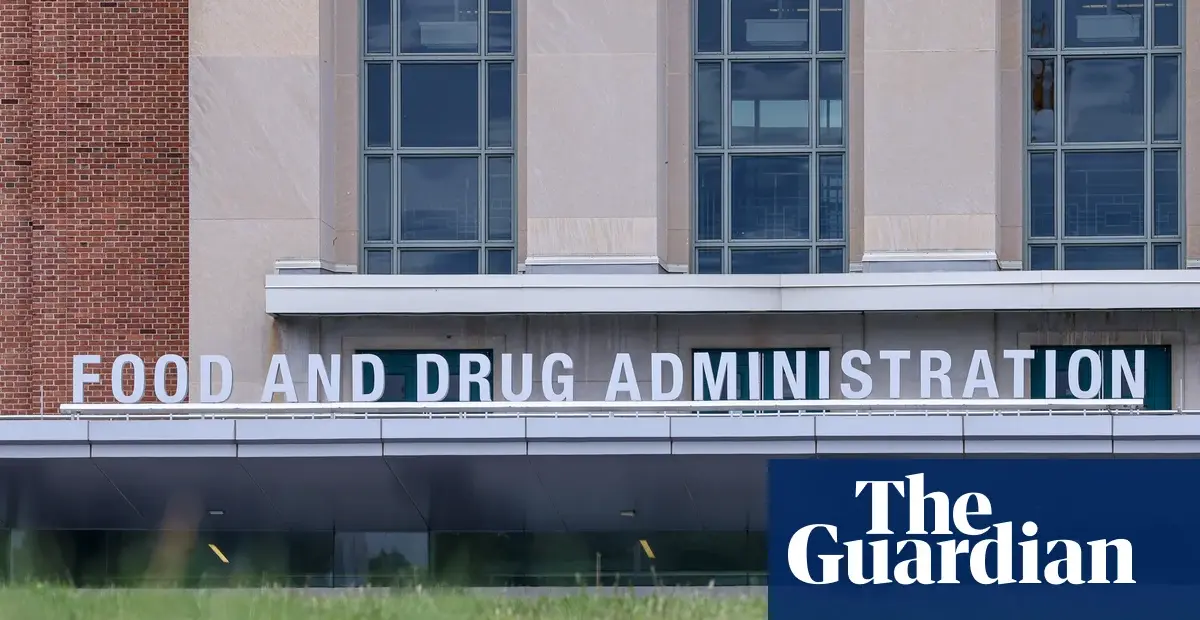
An advisory panel to the Food and Drug Administration voted Thursday to recommend easing federal restrictions that currently bar compounding pharmacies from producing several popular injectable peptides. The 8-6 votes, with one abstention, favored reclassifying compounds such as BPC-157 and KPV onto a list of substances considered safe for pharmacy compounding. FDA scientists had presented analyses that did not support lifting restrictions, citing a lack of human clinical data on safety and efficacy. Health Secretary Robert F. Kennedy Jr., who oversees the FDA and has publicly endorsed peptides, is expected to be emboldened by the recommendation, though the panel’s vote is not binding. The two-day meeting included multiple votes on different peptides, with additional compounds scheduled for review. Critics argue the marketplace for these chemicals is a “wild west” of unregulated products, while supporters say easing restrictions will allow patients to obtain them from licensed U.S. pharmacies instead of the gray market.
What’s verified
An FDA advisory panel voted 8-6, with one abstention, to recommend that BPC-157 and KPV be placed on the FDA’s list of substances safe for pharmacy compounding.
Health Secretary Robert F. Kennedy Jr. has publicly supported lifting restrictions on peptides.
FDA scientists presented reviews that found little clinical data supporting the safety or efficacy of these peptides for human use.
The advisory committee was recently overhauled, with several new members having ties to the peptide industry.
The panel’s recommendations are not binding; the FDA typically follows such advice but is not required to.
Peptides are strings of amino acids that act as signaling molecules; they are promoted in the wellness space for injury recovery, muscle growth, and other unproven uses.
Telehealth companies and med spas market these peptides, and supporters argue that current restrictions have driven demand to unregulated overseas suppliers.
Where accounts differ
There is a discrepancy in the reported sequence of votes. One source states that the panel voted on BPC-157, TB-500, and KPV on Thursday and will vote on three more peptides on Friday. Another source indicates that BPC-157 was voted on Thursday morning, with afternoon votes scheduled for KPV, TB-500, and MOTC-C, and a separate set of three peptides on Friday. The exact order and which compounds were voted on at the time of reporting are not consistent across sources.
Not yet confirmed
The specific quotes from panel members David Pope, Dr. Elizabeth Rebello, Dr. Jessica Duncan, Dr. Kris Wusterhausen, Dr. Brian Lee, and Dr. Anant Vinjamoori are each reported by only one source.
The claim that Paul Knoepfler, a cell and molecular biologist, expressed concerns that peptides could inadvertently promote cancer growth or trigger dangerous immune responses is reported by only one source.
The claim that Gary Brecka, a wellness influencer, told reporters that demand for peptides went “underground” when pulled from regulated pharmacies is reported by only one source.
The specific roles of FDA scientist Russell Wesdyk’s comments on chemical variation and the mention of the American Academy of Peptide Medicine appear in only one source each.
It remains unclear how many total peptides were voted on during the Thursday session versus the Friday session.
Key figures
Robert F. Kennedy Jr., Health and Human Services Secretary
David Pope, chief pharmacy officer of Xifin Pharmacy Solutions
Dr. Elizabeth Rebello, University of Texas MD Anderson Center
Dr. Jessica Duncan, chief medical officer of IVIM Health
Dr. Kris Wusterhausen, founder of a Texas-based medical practice
Dr. Brian Lee, associate professor at the Keck School of Medicine of USC
Russell Wesdyk, FDA official
Paul Knoepfler, cell and molecular biologist at UC Davis
Dr. Anant Vinjamoori, chief medical officer of Hims
Gary Brecka, wellness influencer and podcaster
Sources: The Guardian, NPR