



Australia trains emergency services for potential satellite blackout

7 reported
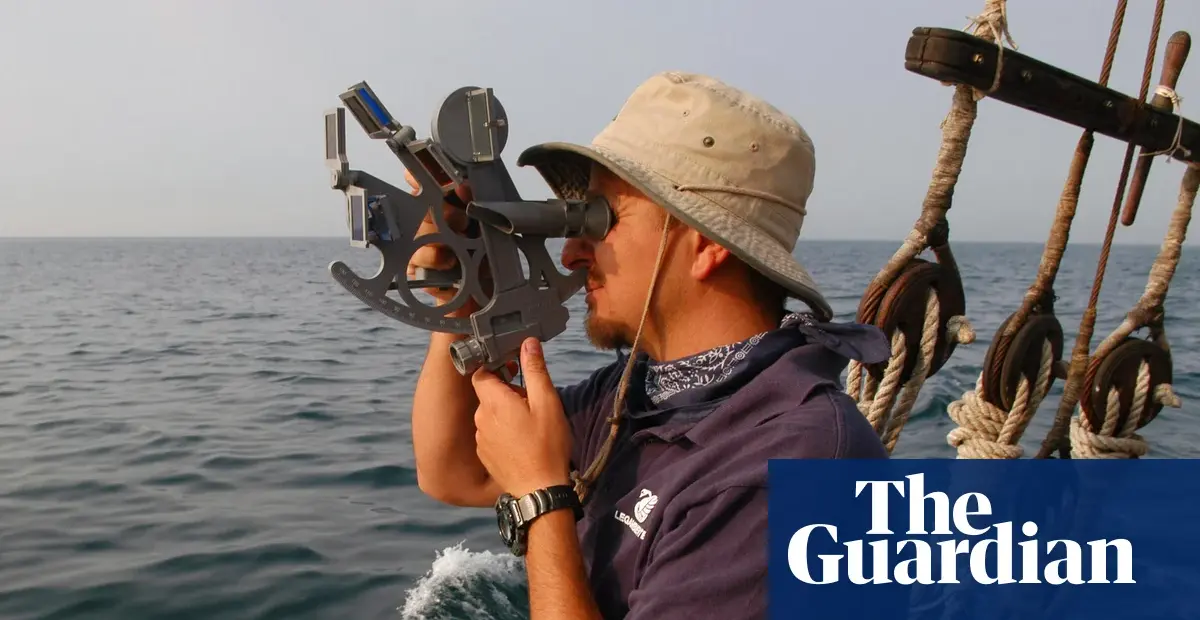
A panel at the 19th Australian Space Forum in Adelaide discussed the scenario of a sudden loss of critical space infrastructure, including satellites, GPS, remote sensing, and secure communications. Experts warned that Australians are largely unaware of their dependence on space-based systems and the vulnerability of those systems to enemy attacks and solar flares. Emergency services and military personnel are being trained in navigation methods that do not rely on satellites, such as reading paper maps, using street directories, and navigating by the stars with sextants. The panel highlighted that a satellite failure could cause immediate cascading failures in ATM networks, emergency services, aviation, freight, energy grids, and financial systems. The Australian Defence Force is already offering sextant training, and emergency services are teaching members to use street directories instead of phones. The Royal Flying Doctor Service reported it could continue normal operations for about 24 hours after a satellite loss before needing to prioritize life-saving missions using manual procedures and alternative communications.
What’s reported
A panel at the 19th Australian Space Forum in Adelaide considered the scenario of a sudden loss of critical space infrastructure.
Optus satellite and space systems head Nick Leake said Australia has one of the highest per capita dependencies on satellite infrastructure in the world and that it is “largely unguarded.”
Flinders University adjunct professor Jackie Craig AM said emergency services are “increasingly dependent on increasingly vulnerable systems” and that young people in the digital revolution cannot use street directories or read maps well.
The Australian Defence Force’s air commodore Chris Robson said planning for a loss of satellite support is not “doomsday prepping” or a “scare tactic” but “something we need to be honest about.”
The Defence Force is offering sextant training and terrestrial navigation training.
The biggest risk identified was not an enemy attack but solar flares, described as “that big orange glowing thing.”
The panel discussed making the network more resilient through satellite redundancy in multiple orbits, more Earth stations, and sovereign satellite capabilities instead of relying on US companies Amazon and Starlink.
Key figures
Nick Leake, Optus satellite and space systems head
Jackie Craig AM, Flinders University adjunct professor and incident management team leader with the South Australian state emergency service
Michael Murphy, deputy chief executive of the Royal Flying Doctor Service SA/NT
Chris Robson, air commodore, Australian Defence Force space forces group and joint forces space component commander
Sources: The Guardian