


Trump announces phased generic drug tariffs starting in 2028

9 reported
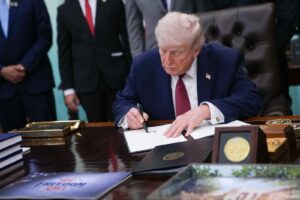
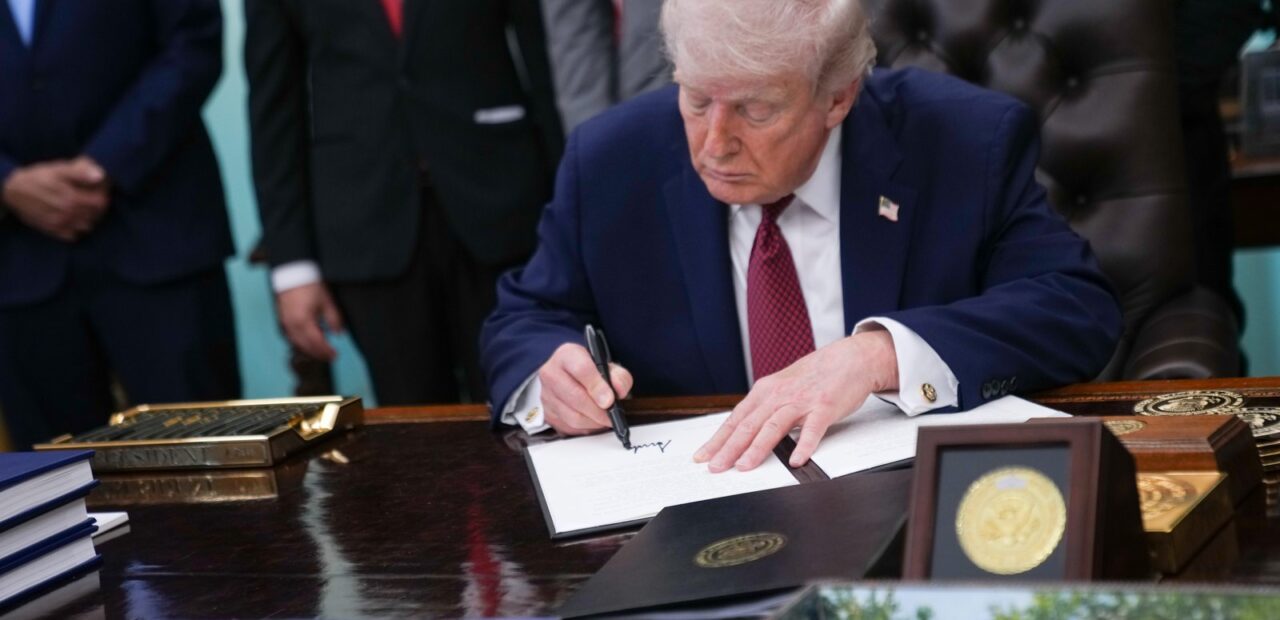
President Donald Trump said generic drugs imported into the U.S. will face zero tariffs for two years starting August 1, before a 100% levy takes effect in August 2028 and rises to 200% a year later. The phased schedule is intended to push generic drugmakers to move production onshore, Trump said in a social media post Tuesday. Nearly all prescriptions in the U.S. are filled with generic drugs that often come via overseas manufacturing, according to Legis1, a congressional intelligence platform. The latest tariff salvo underscored Trump’s goal to reshore low-cost drug production to the U.S., said Deborah Elms, head of trade policy at the Hinrich Foundation. But building pharmaceutical production in the U.S. is complex and costly, and nearly all inputs would still come from abroad, Elms said. Tariffs on patented and branded drugs will remain unchanged, Trump said. The announcement substantially raises long-term risk for Indian drugmakers even with the two-year reprieve, according to Arpit Chaturvedi, South Asia advisor at Teneo.
What’s reported
President Trump said generic drugs imported into the U.S. will face zero tariffs for two years starting August 1.
A 100% levy takes effect in August 2028 and rises to 200% a year later.
Trump described the escalation as "a penalty" for companies that don't build plants in the U.S. within the grace period.
Nearly all prescriptions in the U.S. are filled with generic drugs that often come via overseas manufacturing, per Legis1.
Trump imposed a 100% levy on patented pharmaceutical products and ingredients under Section 232 on April 2, while exempting generic drugs, biosimilars, and related ingredients.
More than a dozen major drugmakers, including Eli Lilly, Pfizer and Novo Nordisk, have struck deals with Trump to lower prices under his "most favored nation" policy, exempting them from tariffs for three years.
India’s pharmaceutical companies supply nearly 50% of all generic medicines consumed in America; the U.S. accounts for about a third of India’s pharma exports.
Chinese firms dominate the upstream supply of active pharmaceutical ingredients.
Arpit Chaturvedi said full implementation of Trump’s stated tariffs would deal a serious blow to India’s trade balance.
Key figures
President Donald Trump
Deborah Elms, head of trade policy at the Hinrich Foundation
Arpit Chaturvedi, South Asia advisor at Teneo
Legis1, a congressional intelligence platform (cited as source of data)
Sources: CNBC