


Astronomers detect natural sugar erythrulose in Milky Way dust cloud

6 reported1 unconfirmed
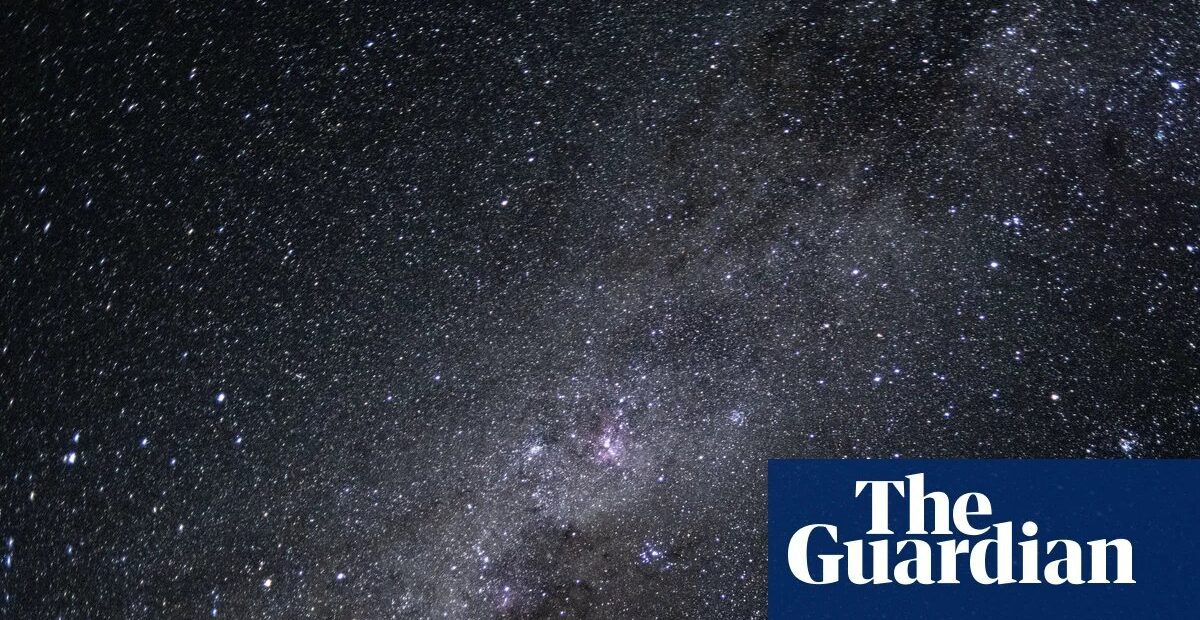
Astronomers have detected a natural sugar called erythrulose in a large cloud of dust and gas near the center of the Milky Way, according to a study published in Nature Astronomy. The compound, which is found in raspberries and used in fake tan lotions, was identified using two Spanish radio telescopes observing a dust cloud designated G+0.693-0.027. Researchers from Spain’s Centre for Astrobiology reported that this is the first sugar detected in interstellar space. The discovery suggests that sugars can form in the cold expanse between stars through chemical reactions on tiny dust grains, potentially raining down on planets via comets. Scientists estimate that millions of tonnes of erythrulose could have reached Earth during the Late Heavy Bombardment, contributing to the prebiotic conditions that may have led to life. The detection was led by Dr Izaskun Jiménez-Serra, who expressed surprise at finding the sugar’s signature after initial searches for simpler sugars were unsuccessful.
What’s reported
Erythrulose, a four-carbon sugar, was detected in a dust cloud called G+0.693-0.027 near the center of the Milky Way.
This is the first sugar detected in interstellar space, according to the researchers.
The sugar can form when glycolaldehyde and ethylene glycol combine on microscopic dust grains at temperatures around -250C.
Scientists estimate millions of tonnes of erythrulose could have rained down on Earth during the Late Heavy Bombardment.
The compound is found in trace amounts in red raspberries and is used in fake tan lotions.
The study was published in Nature Astronomy by researchers including Dr Izaskun Jiménez-Serra of Spain’s Centre for Astrobiology.
Open questions
The article does not specify how the sugar’s signature was distinguished from other compounds, nor does it detail the exact timeline of the Late Heavy Bombardment in relation to Earth’s early chemistry. The process by which planetary environments could build life from such molecules remains unclear, as noted by Prof Yoshihiro Furukawa.
Key figures
Dr Izaskun Jiménez-Serra, researcher at Spain’s Centre for Astrobiology near Madrid
Prof Yoshihiro Furukawa, researcher at Tohoku University in Japan
Sources: The Guardian