


China’s Q2 GDP Growth Slows to 4.3%, Weakest Since Late 2022

6 verified3 unconfirmed
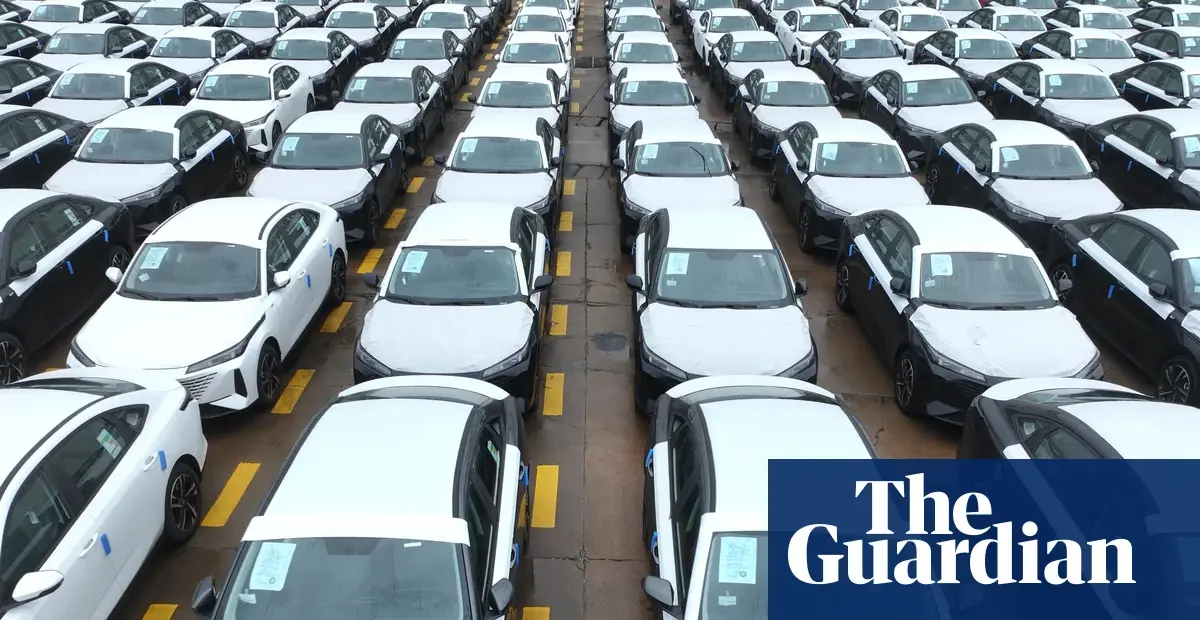
China’s economy expanded at a 4.3% annualized rate in the second quarter of 2026, the weakest quarterly growth since the final quarter of 2022 when Covid-19 restrictions were still in place. The figure, released Wednesday by the National Bureau of Statistics, fell short of both the government’s 4.5% to 5% target and analysts’ forecasts. While exports surged sharply — up 27% in June alone — domestic consumption and investment remained sluggish, highlighting growing dependence on foreign sales. Overall growth for the first half of the year stood at 4.7%, within Beijing’s target range. Economists pointed to a deepening imbalance between strong export-driven production and weak domestic demand, with the property slump and job uncertainties weighing on household spending. Policymakers face pressure to introduce stimulus measures, though the first-half figure may reduce urgency for large-scale intervention.
What’s verified
China’s economy grew 4.3% in the April-June quarter, the slowest since the lockdown-impacted fourth quarter of 2022.
The growth rate was below the government’s target range of 4.5% to 5% and came in under economists’ expectations.
Exports rose 27% in June and 17.6% in the first half of the year, driven by demand for electric vehicles, AI-related products, and computer chips.
Domestic retail sales (excluding cars in one source) showed only modest growth, with one source citing a 1.3% increase for consumer goods in the first half.
Fixed-asset investment declined, with one source noting a drop of more than 4% between January and May and another reporting a 5.7% year-on-year fall in the first half.
The property slump continued, with housing prices falling, and domestic vehicle sales saw a significant decline.
Not yet confirmed
Whether the Chinese Communist Party will announce new stimulus measures during its upcoming top officials meeting later this month — one source notes analysts are watching for this, but no confirmation is given.
The precise impact of the US-China trade war detente and a potential tariff resumption in November is not detailed in both sources, with one source mentioning nervousness among Beijing officials.
The effect of the US-Israel war on Iran on global demand for Chinese goods is mentioned in one source but not corroborated by the other.
Key figures
National Bureau of Statistics of China
Mao Shengyong, deputy head of the National Bureau of Statistics
Lynn Song, chief economist for Greater China at ING Bank
Eswar Prasad, professor of economics and trade policy at Cornell University
Li Daokui, Chinese economist and adviser to Beijing’s senior leadership
Wei Li, Head of Multi-Asset Investments at BNP Paribas Securities (China)
Sources: The Guardian, NPR