

AI skincare advice raises accuracy concerns among dermatologists

9 reported
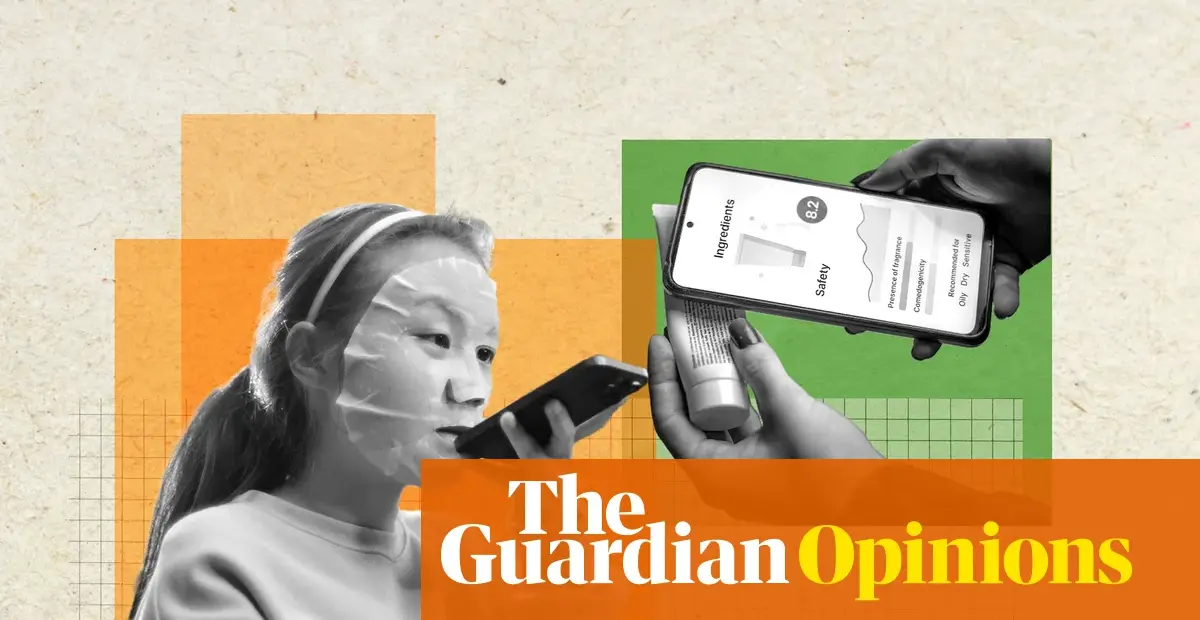
A growing number of people are turning to artificial intelligence chatbots for skincare and dermatology advice, but dermatologists warn the technology often provides inaccurate or harmful recommendations. The trend is partly driven by the high cost of seeing a dermatologist, which averages about $230 out of pocket in Australia, and long wait times for appointments. Cosmetic chemist Dr Michelle Wong compares AI chatbot output to “a blurry Jpeg of all the text on the web,” noting that users rarely see what sources the chatbots use. Dermatologists report seeing patients who developed skin problems, such as irritant contact dermatitis or rosacea flare-ups, after following AI-suggested routines. AI also struggles with accurate diagnosis because it cannot perform tests like skin swabs or biopsies, and it has less reference material for diagnosing skin conditions in people of color. Experts advise that for specific conditions, consulting reputable dermatology websites is a better option, and for basic routines, simplicity is best.
What’s reported
People are increasingly using AI for health advice, including skincare, by sending selfies to chatbots for analysis and routines.
The average out-of-pocket cost to see a dermatologist in Australia is about $230.
Dr Michelle Wong says chatbots have advised using multiple products with the same active ingredient, such as vitamin A, and have given incorrect product application orders.
Chatbots have recommended products that do not exist or that contain allergenic ingredients despite claiming otherwise.
Previous research cited in the article shows an image-classification AI mistakenly identified rulers as a marker of skin cancer because training data images of lesions with rulers were more likely to be malignant.
Dr Anita Lasocki has seen patients develop irritant contact dermatitis or rosacea flare-ups from AI-recommended routines involving too many steps or active ingredients.
Associate Prof Deshan Sebaratnam notes there are over 3,000 skin conditions and AI is not good at separating them; it cannot perform tests like skin swabs, scrapings, or biopsies.
Most medical images used for teaching are of white-skinned people, so AI is less equipped to diagnose skin conditions in people of color.
There is a worldwide shortage of dermatologists, particularly in Australia, with long wait lists for both public and private appointments.
Key figures
Dr Michelle Wong, cosmetic chemist and science educator who runs Lab Muffin Beauty Science
Dr Anita Lasocki, dermatologist and practice principal at South Road Dermatology in Melbourne
Associate Prof Deshan Sebaratnam, dermatologist at the Skin hospital in Sydney
Sources: The Guardian