



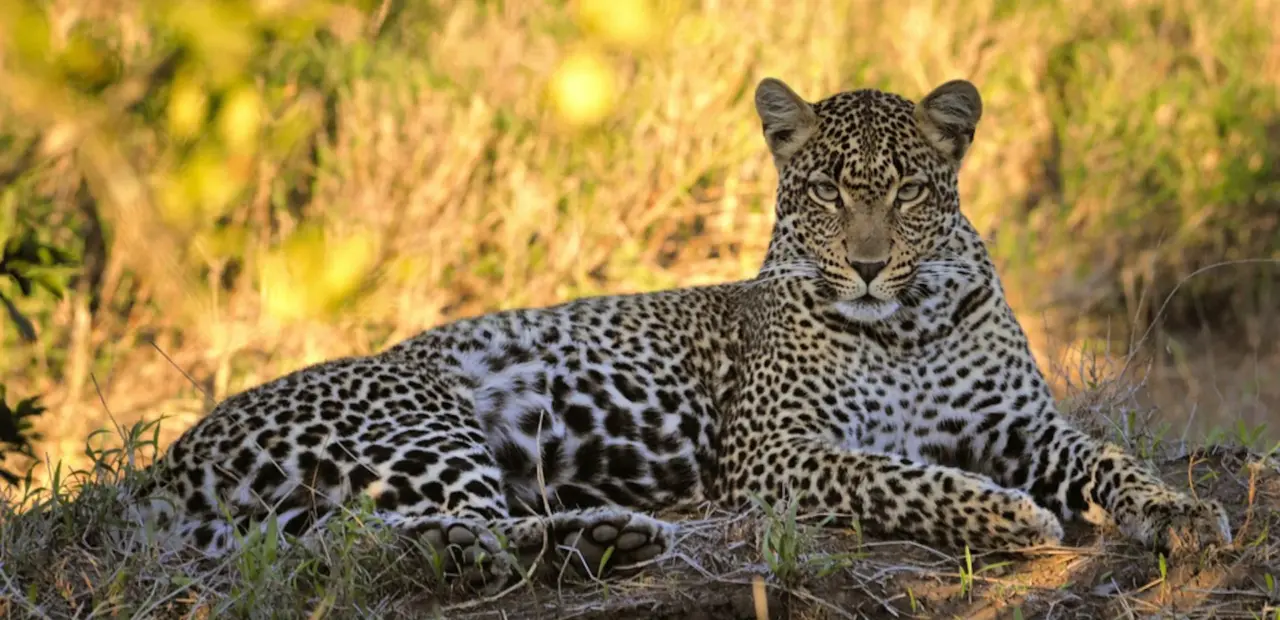
South African leopards found to be smaller and genetically distinct

8 reported
A study published June 24, 2026, in The Conversation reports that leopards in South Africa’s Cape Floristic Region are about half the body mass of other African leopards and are genetically distinct. Researchers analyzed whole-genome data from fewer than 1,000 leopards in the region, comparing them to leopards from other parts of Africa. They found that these leopards have been isolated from other populations for roughly 20,000 to 24,000 years, beginning during the Last Glacial Maximum. The study identified about 90 genes linked to body size, muscles, bones, and energy use that were more common in these leopards, suggesting adaptation to an environment with smaller, sparsely distributed prey. Despite a small population and historical hunting pressure, the leopards retained much of their genetic diversity. The researchers recommend habitat connectivity and protection from poaching and road mortalities to conserve this evolutionarily significant population.
What’s reported
Leopards in South Africa’s Cape Floristic Region are about half the body mass of other African leopards.
The population numbers fewer than 1,000 individuals.
Whole-genome analysis showed they are genetically distinct from other African leopards.
They began diverging from other populations around 20,000 to 24,000 years ago during the Last Glacial Maximum.
About 90 genes linked to body size, muscles, bones, and energy use were more common in these leopards.
The leopards feed mainly on rock hyrax, klipspringer, and Cape grysbok.
Despite isolation and hunting, they have only slightly lower genetic diversity than other African populations.
Leopard numbers fell sharply in the 1800s and 1900s due to hunting, habitat loss, and bounty systems; the bounty ended in 1968.
Key figures
Laura Tensen, Assistant Professor, University of Greifswald (author of the original article)
Sources: ScienceDaily