



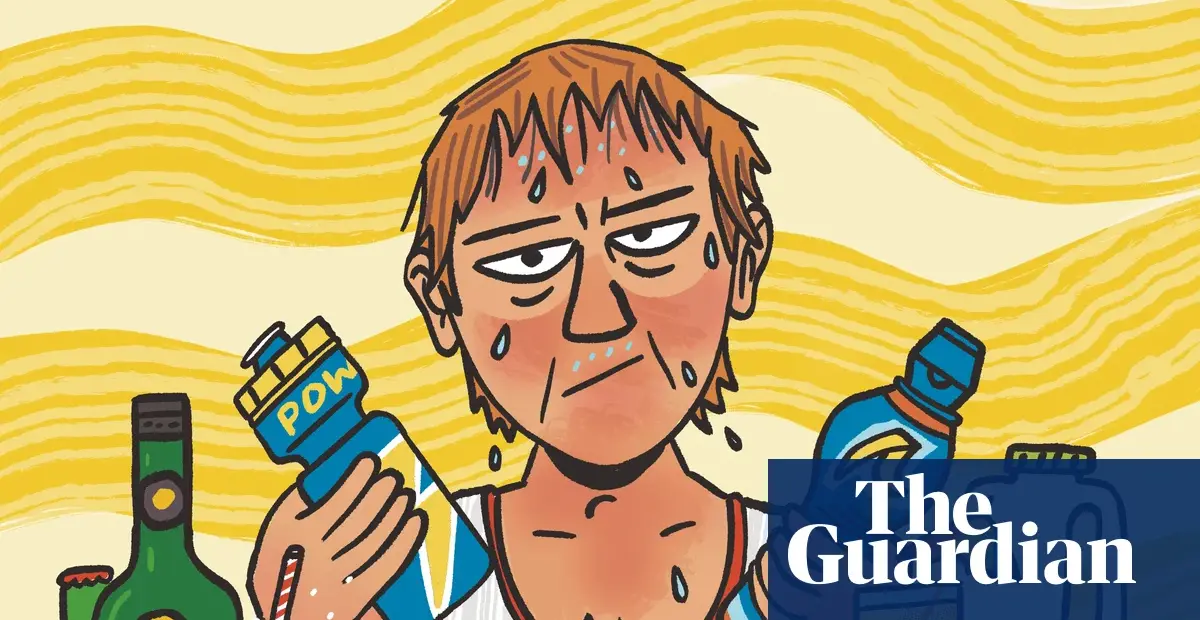
Hydration tips for heatwaves: electrolytes, tea, and beer explained

9 reported
A single-source article from The Guardian provides guidance on staying hydrated during heatwaves, based on expert interviews. The article explains that when external temperatures exceed 35-36°C, sweating becomes the body’s primary cooling method, and dehydration can impair cognitive and physical performance. Experts recommend drinking water regularly, using urine color as a hydration indicator, and starting the day with 300-500ml of water. The article addresses common questions about electrolytes, tea, coffee, and alcohol, noting that caffeine’s diuretic effect is negligible, while alcohol above one drink can suppress anti-diuretic hormones. It also discusses whether hot tea can cool the body, stating that the warming effect may be offset by increased heat loss. The article emphasizes that tap water remains the gold standard for hydration.
What’s reported
The article is based on interviews with Dr Lewis James (Loughborough University), Bridget Benelam (British Nutrition Foundation), and Dr Neil Maxwell (University of Brighton).
Sweating becomes the main cooling method when external air temperature exceeds 35-36°C.
Mild dehydration symptoms include headaches, fatigue, reduced concentration, and poorer physical performance.
The “pee test” is recommended: dark yellow to brown urine indicates dehydration, while pale urine suggests good hydration.
Starting the morning with 300-500ml of water sets a stable baseline before daytime heat spikes.
Caffeine’s diuretic effect is negligible; five espresso shots would be needed to notice a real effect.
One low-ABV drink (about 4%) can have a net-hydrating effect, but two or three drinks suppress the anti-diuretic hormone vasopressin.
Hot tea may cool the body in certain situations because the warming effect is canceled out by increased heat loss.
Tap water or filtered water is described as the gold standard for daily hydration during a heatwave.
Key figures
Dr Lewis James, lecturer in sport, exercise and health sciences at Loughborough University
Bridget Benelam, nutrition scientist at the British Nutrition Foundation
Dr Neil Maxwell, specialist in applied environmental physiology at the University of Brighton
Sources: The Guardian