


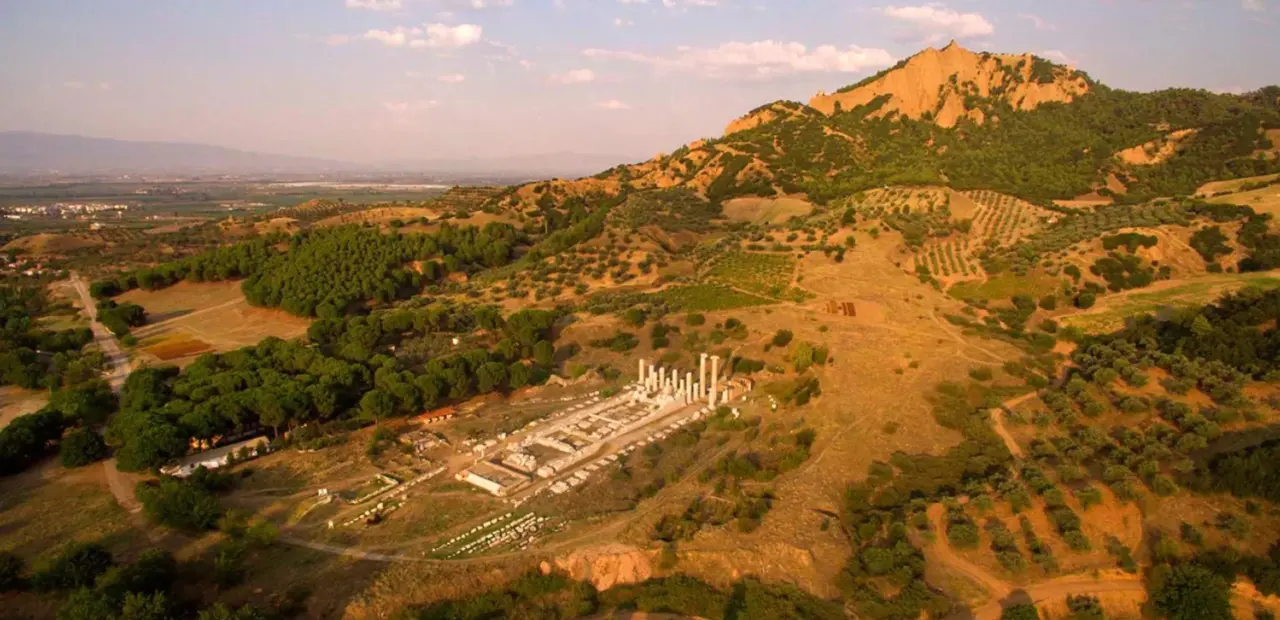
Ancient Sardis designated UNESCO World Heritage site after 70 years of excavation

8 reported
According to a Cornell University report, the ancient city of Sardis in western Turkey has been added to the UNESCO World Heritage List after nearly seven decades of continuous excavation. The Harvard Cornell Exploration of Ancient Sardis, one of the world’s longest running institutional excavation projects, has returned every year since 1958. Archaeologists say the designation celebrates the long-term commitment required to understand a culture through material remains. The site preserves layers of history from the Bronze Age to the present, including the Lydian, Roman, Byzantine, and Ottoman periods. Researchers note that Sardis was not overbuilt by a modern city, allowing access to a long archaeological record. The project involves Turkish and American institutions, with more than half of current researchers being Turkish experts and students.
What’s reported
Sardis was added to the UNESCO World Heritage List this summer, according to the report.
The Harvard Cornell Exploration of Ancient Sardis began in 1958 and has operated every year since.
The site was the capital of the Iron Age kingdom of Lydia and is associated with the invention of coinage.
The first modern excavation in the early 20th century ended with the Greco-Turkish War in the early 1920s.
Some artifacts from that early excavation were damaged, disappeared, or taken to the United States through questionable means, and some were later returned to Turkey.
The modern project has reconstructed a monumental bath gymnasium complex and the largest synagogue in the ancient world.
Recent discoveries include a sanctuary plaza that required 15 years of excavation.
Looting has become a serious problem, with treasure hunters using explosives, bulldozers, and weapons.
Key figures
Benjamin Anderson, associate professor of history of art and visual studies, Cornell University
Annetta Alexandridis, associate professor of the history of art and classics, Cornell University
George M. A. Hanfmann, Harvard archaeologist (deceased)
Henry Detweiler, Cornell architect (deceased)
Leyla Uğurer, doctoral student in history of art and archaeology, Cornell University
Sources: ScienceDaily