


Oil Tankers Navigate Strait of Hormuz Despite Iran Guard Warnings

5 verified4 unconfirmed1 contested
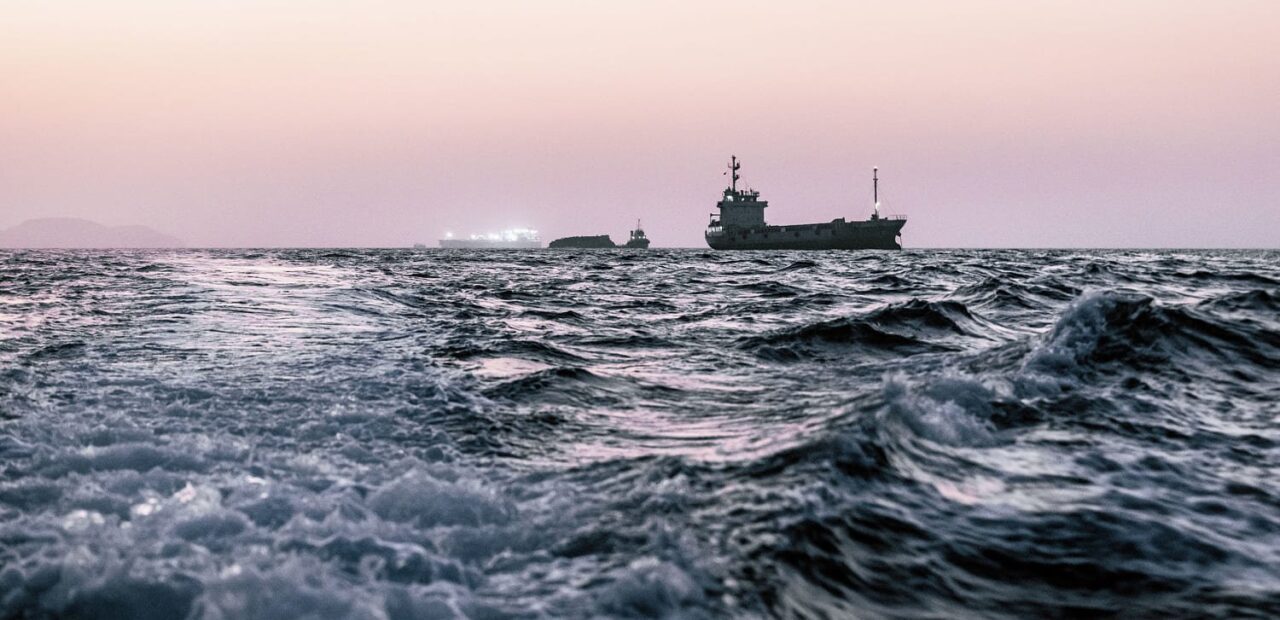
A series of oil tankers transited the Strait of Hormuz on Thursday using a new route close to Oman’s coast, defying threats from Iran’s Revolutionary Guard Navy. The Liberian-flagged vessel Stoic Warrior led the passage, following a path laid out by Oman and the International Maritime Organization, a U.N. shipping agency. Iran’s paramilitary force warned that the new route is unacceptable and dangerous, declaring that only its own authorized corridor is permitted and that violators will be dealt with. The passage comes under a 60-day interim U.S.-Iran agreement signed last week, which aims to reopen the key waterway but leaves many details unresolved. U.S. Secretary of State Marco Rubio toured Gulf nations to reassure allies, stating that international waterways belong to no country and that no tolls will be allowed. Traffic through the strait remains far below prewar levels, with marine data firms reporting about 70 vessel passages on Wednesday compared to a daily average of more than 130 before the conflict started in late February.
What’s verified
Multiple oil tankers sailed out of the Strait of Hormuz on Thursday using a route close to Oman’s coast, promoted by the International Maritime Organization.
Iran’s Revolutionary Guard Navy warned that the new route is unacceptable and dangerous, stating that only the route declared by Iran is authorized and that violators will be dealt with.
The interim U.S.-Iran agreement signed last week provides a 60-day period to finalize details.
U.S. Secretary of State Marco Rubio was in Gulf Arab states to reassure allies about the deal and said no country has a right to charge for use of international waterways.
Traffic through the strait remains significantly below prewar levels of more than 130 ships per day.
Where accounts differ
No significant contradictions identified across sources. One source reported that Iran had been charging passage tolls for weeks, while the other mentioned that Rubio and Gulf allies would ensure no fees are charged—both are consistent with a dispute over tolls but not contradictory.
Not yet confirmed
A single report stated that about 35 million barrels of oil have left the region through the strait since the agreement was signed, according to marine tracking firm Kpler.
A single report noted that the Revolutionary Guard threatened a tanker over the radio on Wednesday with a warning about missile range.
A single report mentioned an Israeli airstrike in southern Lebanon that killed two people and the death of an Israeli reservist soldier in Lebanon, as well as broader casualty figures for the Israel-Hezbollah conflict.
The exact number of ships that passed through the strait on Wednesday is unclear: one source said more than 70 since Wednesday, while another said 70 on Wednesday—both citing Kpler data.
Key figures
Secretary of State Marco Rubio
Anwar Gargash (senior United Arab Emirates diplomat)
Halvor Ellefsen (director at Fearnleys Shipbrokers)
Richard Meade (editor-in-chief at Lloyd’s List)
Abdullatif bin Rashid al-Zayani (Bahrain’s foreign minister)
Sources: NBC News, abcnews.com