


Study suggests Alps and Pyrenees may hold natural hydrogen

7 reported
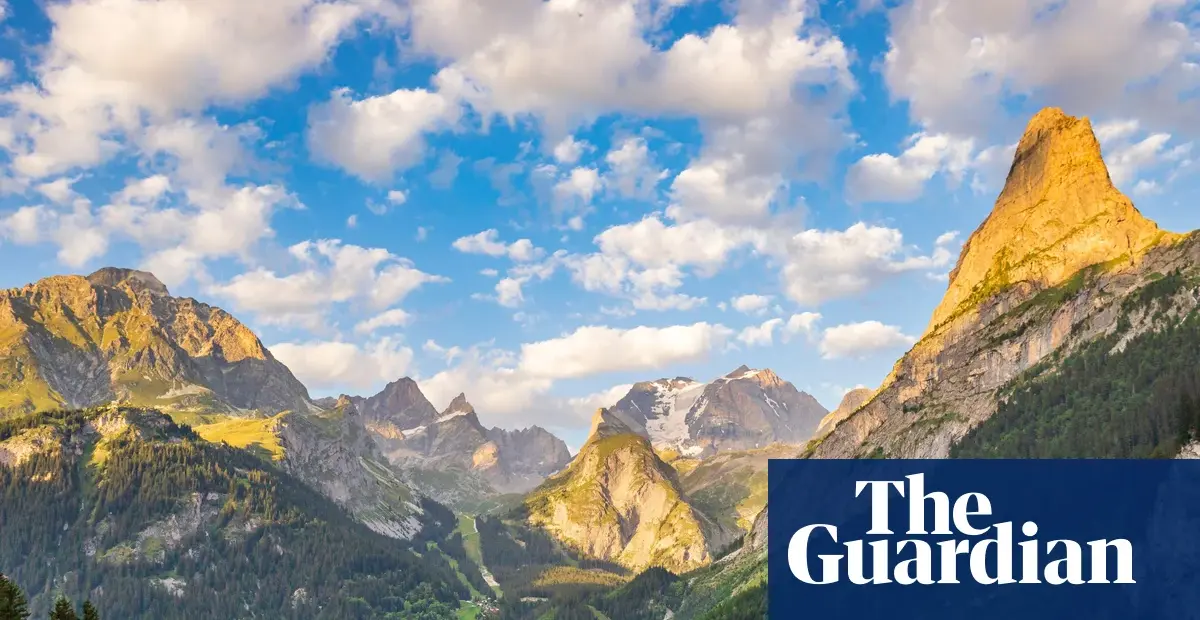
A new study published in the Journal of Geophysical Research: Solid Earth used plate tectonic simulations to examine whether mountain-building processes in the Pyrenees, Alps and Baetic mountain ranges could produce and store natural hydrogen. The researchers found that the Alps and Pyrenees could be strong natural hydrogen exploration sites. In both ranges, the models indicated that mountain building brought deep mantle rocks to the surface at the right speed, where they reacted with water to release hydrogen that accumulated in porous rock layers above. The Baetic range in southern Spain showed faster uplift and erosion, suggesting insufficient time for large hydrogen volumes to form and the likely removal of potential reservoir rocks. The methods used could be applied to other mountain ranges to identify additional natural hydrogen sources. The study was based on a single source, The Guardian, and has not been cross-referenced.
What’s reported
Researchers used plate tectonic simulations to study the Pyrenees, Alps and Baetic mountain ranges.
The findings were published in the Journal of Geophysical Research: Solid Earth.
The Alps and Pyrenees were identified as strong natural hydrogen exploration sites.
In the Alps and Pyrenees, mountain building brought deep mantle rocks to the surface, where they reacted with water to release hydrogen.
The hydrogen accumulated in porous rock layers above.
The Baetics showed faster uplift and erosion, limiting hydrogen production and removing potential reservoir rocks.
The methods could be applied to other mountain ranges.
Sources: The Guardian