



Iran War Oil Disruption Affects Airlines and EV Markets

1 verified6 unconfirmed
The ongoing war in Iran has led to the closure of the Strait of Hormuz, cutting off approximately 20% of global oil supply, according to multiple reports. This disruption has driven up fuel prices and created economic ripple effects across different sectors. One report examines the impact on the airline industry, including rising ticket prices and higher operational costs. Another report details a surge in Chinese electric vehicle exports as drivers in developing countries seek cheaper alternatives to gasoline-powered cars. Both reports highlight how the conflict is reshaping global transportation and energy markets, though the ultimate long-term effects remain uncertain.
What’s verified
The war in Iran resulted in the closing of the Strait of Hormuz, disrupting about 20% (one-fifth) of global oil supply.
Not yet confirmed
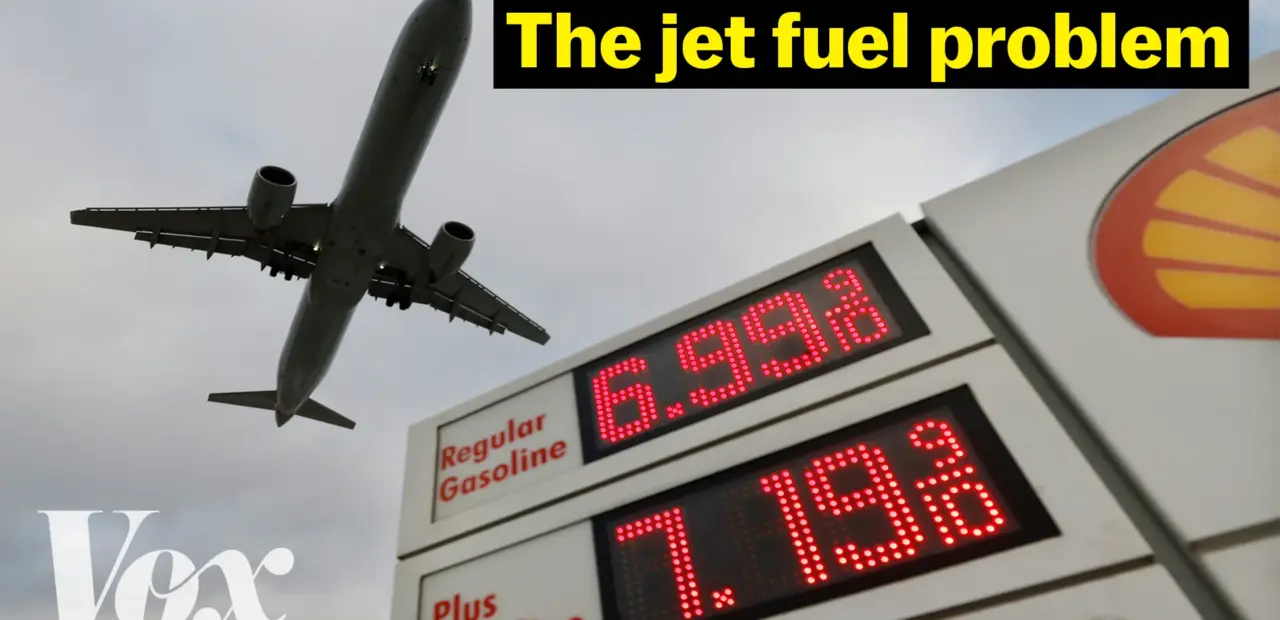
A single report states the war may have cost the airline industry an additional $15 billion and led to the May 2026 closure of Spirit Airlines.
That same report says airlines have responded by raising ticket prices, increasing bag fees, and cutting unprofitable flights.
A separate single report indicates Chinese EV exports hit a record $9.4 billion in April 2026 and that about 435,000 passenger EVs and plug-in hybrids were exported in May 2026, more than double the previous year.
That same report notes that Africa imported around 44,000 Chinese EVs in 2025, a 130% jump from the prior year.
It also mentions that Laos banned the import of fuel-powered vehicles for the rest of 2026 to cut oil import costs.
Neither source addresses whether the war has ended or how long the blockade may last.
Key figures
Paul Gong, head of UBS bank’s China automotive industry research
Jerry Gan, CEO of Geely Auto
Chris Liu, analyst with technology research group Omdia
Ndia Magadagela, co-founder and CEO of Everlectric
Sources: vox.com, abcnews.com