



Abortions nearly double since 2021, telehealth cited as key factor

7 reported1 unconfirmed
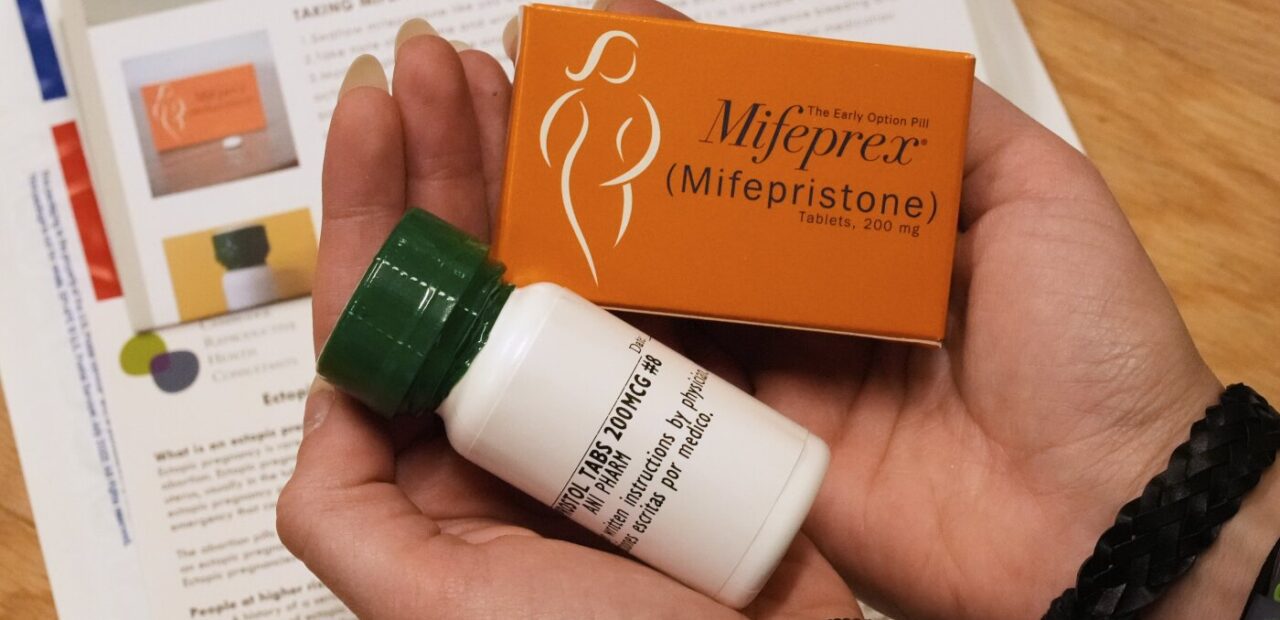
According to a report from the Society of Family Planning, there were nearly twice as many abortions in the United States in 2025 compared to 2021, the year before the Supreme Court overturned Roe v. Wade. The report indicates that by December 2025, 29% of abortions were conducted through telehealth. The increase is attributed to the widespread availability of abortion pills via mail, including in states with abortion bans. Dr. Angel Foster, who leads the Massachusetts Medication Abortion Access Project, ships abortion pills to about 3,500 patients per month nationwide. Legal battles continue, including a Louisiana lawsuit seeking to block mail-order mifepristone, which the U.S. Supreme Court temporarily paused. Abortion opponents are pushing for enforcement of the Comstock Act and an FDA safety review of mifepristone. Telehealth providers say they are prepared to switch to misoprostol-only regimens if mifepristone is restricted.
What’s reported
There were nearly twice as many abortions in the U.S. in 2025 compared to 2021.
By December 2025, 29% of abortions were through telehealth, per the Society of Family Planning's #WeCount report.
Dr. Angel Foster's Massachusetts Medication Abortion Access Project ships abortion pills to about 3,500 patients a month.
A federal appeals court temporarily made it illegal to mail mifepristone in early May 2026, but the Supreme Court paused that ruling.
Louisiana filed a lawsuit, backed by 21 other states, arguing the FDA acted illegally in allowing mifepristone prescriptions without in-person visits.
Abortion opponents are pushing for enforcement of the Comstock Act and an FDA safety review of mifepristone.
Telehealth providers say they can switch to misoprostol-only regimens if mifepristone is restricted.
Open questions
The article does not specify the exact number of abortions in 2021 or 2025, nor the outcome of the Louisiana lawsuit or the FDA safety review.
Key figures
Dr. Angel Foster, specialist in reproductive health, leads the Massachusetts Medication Abortion Access Project
Elisa Wells, co-founder and access director at Plan C
David Cohen, law professor at Drexel University
Melissa Grant, co-founder and chief operating officer of Carafem
Kristi Hamrick, vice president of media and policy for Students for Life of America
Gabriella McIntyre, lawyer for Alliance Defending Freedom
Sources: NPR