Cuba approves free-market reforms as economic pressures mount

12 reported1 unconfirmed
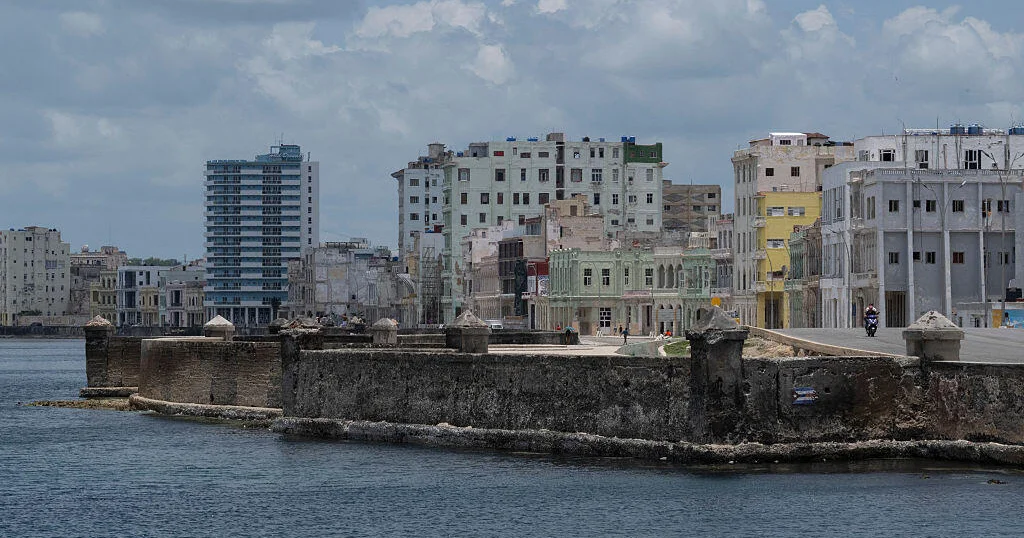
Cuban lawmakers unanimously adopted nearly 200 free-market reforms on Thursday, aiming to rescue the island’s economy amid a U.S. oil blockade and internal challenges. Prime Minister Manuel Marrero unveiled 176 measures to reduce the state’s role and attract investment in banking, tourism, and agriculture. Foreign investors will no longer be required to form joint ventures with the state, large private enterprises will be authorized, and both Cuban and foreign investors can acquire stakes in state companies. President Miguel Diaz-Canel acknowledged “obstacles that don’t come from outside, nor the blockade,” citing “slowness, bureaucracy and norms that impede those who want to produce.” The reforms were described by economist Daniel Torralbas as “the most profound” since the 1959 revolution. Power cuts lasting over 30 hours and shortages of food, fuel, drinking water, and medicine have become common, and the United Nations warned that children are dying due to a lack of medical supplies. The U.S. has increased pressure, including an indictment of a former Cuban leader and a CIA director’s visit to Havana, while Vice President JD Vance said Washington is talking to the Cuban government about changing its ways.
What’s reported
Cuban lawmakers adopted nearly 200 free-market reforms on Thursday.
Prime Minister Manuel Marrero unveiled 176 measures to reduce the state’s role and attract investment.
Foreign investors no longer need to form joint ventures with the state; large private enterprises will be authorized.
Both Cuban and foreign investors can acquire stakes in state companies.
President Miguel Diaz-Canel admitted to internal obstacles like “slowness, bureaucracy and norms that impede those who want to produce.”
Economist Daniel Torralbas called the reforms “the most profound” since the 1959 revolution.
Power cuts sometimes last over 30 hours; shortages of food, fuel, drinking water, and medicine are common.
The United Nations High Commissioner for Human Rights warned that “children are dying” due to a shortage of medical supplies.
Just one oil tanker, from Russia, has docked in Cuba since the beginning of the year.
The U.S. indicted a former Cuban leader on charges related to the 1996 shooting of two civilian planes.
CIA Director John Ratcliffe visited Havana in early May and signaled openness to expanding political dialogue.
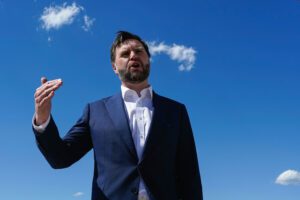
Vice President JD Vance said Washington is talking to the Cuban government about changing its ways.
Open questions
No time-frame for implementing the reforms was given by Prime Minister Marrero.
Key figures
Prime Minister Manuel Marrero
President Miguel Diaz-Canel
Daniel Torralbas, London-based Cuban economist
Michael Bustamante, Cuban studies chair at the University of Miami
Victor Hierrezuelo, 63-year-old bank worker
Mario Gonzales, 32-year-old restaurant manager in Havana
Vice President JD Vance
CIA Director John Ratcliffe
Volker Turk, United Nations High Commissioner for Human Rights
Sources: CBS News