



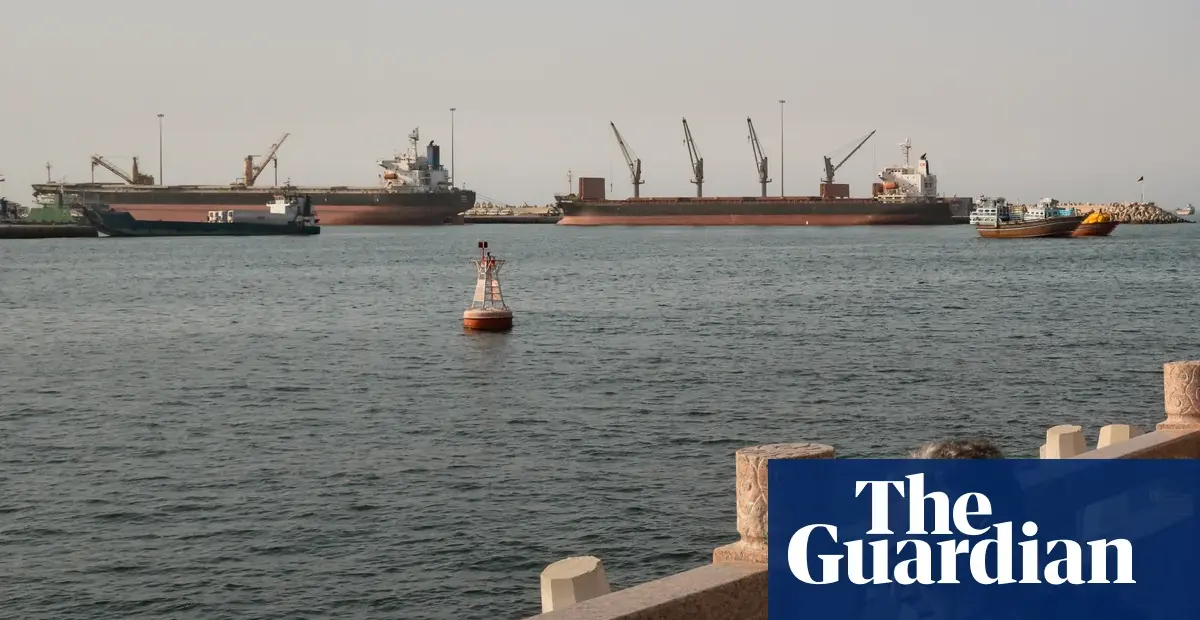
Strait of Hormuz shipping blocked by 80 mines, says tanker trade body

10 reported3 unconfirmed
The independent tanker owner trade body Intertanko has reported that the center of the Strait of Hormuz is blocked by approximately 80 mines that must be cleared before normal shipping can resume. Several vessels began exiting the Gulf on Thursday after a memorandum of understanding was signed between the US and Iran, but shipping is not expected to return to normal for some time due to the mines and other obstacles. Intertanko marine director Phil Belcher stated that the main route through the middle of the strait is closed and dangerous, with 80 mines requiring significant time to clear. During the conflict, Iran laid mines in the traffic separation scheme that has been in place between Iran and Oman since 1968. About 20,000 seafarers were left stranded on either side of the channel, though some ships managed to pass near the Omani coast at night with transmitters off and US assistance, while others paid to travel through Iranian waters in an arrangement called "Tehran's tollbooth." The shipping industry warns of collision risks due to high vessel numbers in narrow areas and signal jamming reportedly carried out by Iran, which has disabled navigation systems. Almost 600 vessels remain anchored in the Gulf since February, and maritime data provider Lloyd's List editor-in-chief Richard Meade said shipping in the strait is unlikely to return to normal this year.
What’s reported
Approximately 80 mines are blocking the center of the Strait of Hormuz, according to Intertanko.
A memorandum of understanding between the US and Iran was signed, leading some vessels to exit the Gulf on Thursday.
Iran laid mines in the traffic separation scheme between Iran and Oman during the conflict.
About 20,000 seafarers were left stranded on either side of the channel.
Some ships passed near the Omani coast at night with transmitters off and US assistance; others paid to use Iranian waters in a system called "Tehran's tollbooth."
Before the conflict, about 130 ships per day crossed the strait, through which about 20% of global oil flowed.
Signal jamming by Iran has reportedly disabled ships' navigation and positioning systems.
Almost 600 vessels remain anchored in the Gulf since February.
Iran has said it plans to charge a maritime fee to vessels crossing the strait, which is illegal under international law.
The US-Iran memorandum requires toll-free passage for commercial vessels for at least 60 days, with full restoration of traffic within 30 days.
Open questions
Whether the ceasefire in the strait will hold, given that Israel and Hezbollah traded deadly strikes on Friday and an April ceasefire unravelled within hours.
How long it will take to clear the 80 mines and fully restore normal shipping.
Whether Iran will implement its plan to charge maritime fees after the 60-day period.
Key figures
Phil Belcher, marine director at Intertanko
Richard Meade, editor-in-chief at Lloyd's List
Peter Sand, chief analyst at Xeneta
Hapag-Lloyd (German container shipping company, spokesperson not named)
Sources: The Guardian