

US and Iran Sign Strait of Hormuz Reopening Deal; Economic Fallout Lingers

4 verified10 unconfirmed2 contested
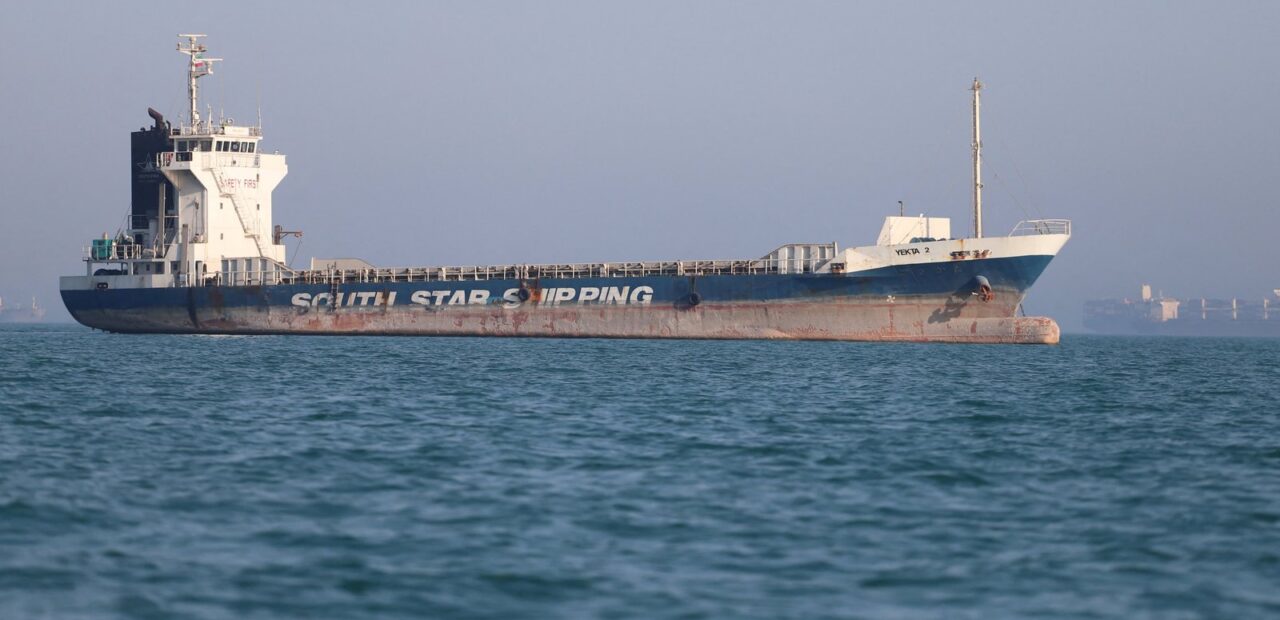
The United States and Iran have signed a memorandum to reopen the Strait of Hormuz, ending a war that lasted nearly four months and disrupted global energy supplies. President Donald Trump stated he negotiated the agreement to prevent a global economic depression, and shipping activity through the strait has begun to resume. Despite the reopening, analysts and institutions warned that higher inflation and energy costs have already been "baked in" to many economies and will take months to unwind. The conflict pushed oil prices to a peak of $118 a barrel in March before retreating. Central banks are taking cautious stances as they balance slowing growth against rising inflation. Meanwhile, swing voters in the battleground state of Wisconsin expressed frustration with the war's economic toll, and protests related to fuel price increases have broken out in several African countries. The full impact on food prices may not be felt for months, raising concerns about global instability.
What’s verified
The U.S. and Iran signed a memorandum to reopen the Strait of Hormuz, ending a war that lasted nearly four months.
President Trump stated he negotiated the agreement to prevent a global economic depression.
Shipping through the Strait of Hormuz began resuming after the agreement took effect.
Analysts and institutions warned that higher inflation and energy costs have already been "baked in" and will take months to unwind.
Where accounts differ
One source reports the agreement was signed on Wednesday, while another reports it was signed on Thursday.
One source states the war lasted "nearly four months," while another says it lasted "three and a half months."
Not yet confirmed
Oil prices fell to around $80 a barrel (reported by one source).
The World Bank lowered its global growth forecast to 2.5% and expects inflation to climb to 4% in 2026 (reported by one source).
At least 18 transits through the strait were recorded on June 17-18 (reported by one source).
U.S. Central Command said all blockade enforcement had ceased (reported by one source).
Vice President JD Vance canceled a planned trip to Switzerland for technical talks (reported by one source).
Trump claimed his power has "no limits" and called the deal an "unconditional surrender" by Iran (reported by one source).
Focus groups of 13 Wisconsin swing voters said the war was not worth it and that Trump is responsible for higher prices (reported by one source).
Protests related to fuel price increases occurred in Comoros, Kenya, and Mozambique (reported by one source).
The European Central Bank raised rates while the Federal Reserve and Bank of England held steady (reported by one source).
Nearly a third of global fertilizer trade passes through the Strait of Hormuz, and food price shocks are anticipated (reported by one source).
Key figures
Donald Trump (U.S. President), Kevin Warsh (Federal Reserve Chairman), Chuck Schumer (Senate Minority Leader), Peter Welch (Senator, D-Vt.), Simon MacAdam (deputy chief global economist at Capital Economics), Alex Holmes (regional director at Economist Intelligence Unit), Matteo Lanzafame (director at Asian Development Bank), Rich Thau (president of Engagious), Cullen Hendrix (senior fellow at Peterson Institute for International Economics), Caitlin Welsh (director of Global Food and Water Security Program at CSIS), Rabah Arezki (senior fellow at Harvard Kennedy School), Rami Zurayk (professor at American University of Beirut)