


Scientists test refreezing Arctic sea ice in Canada

11 reported
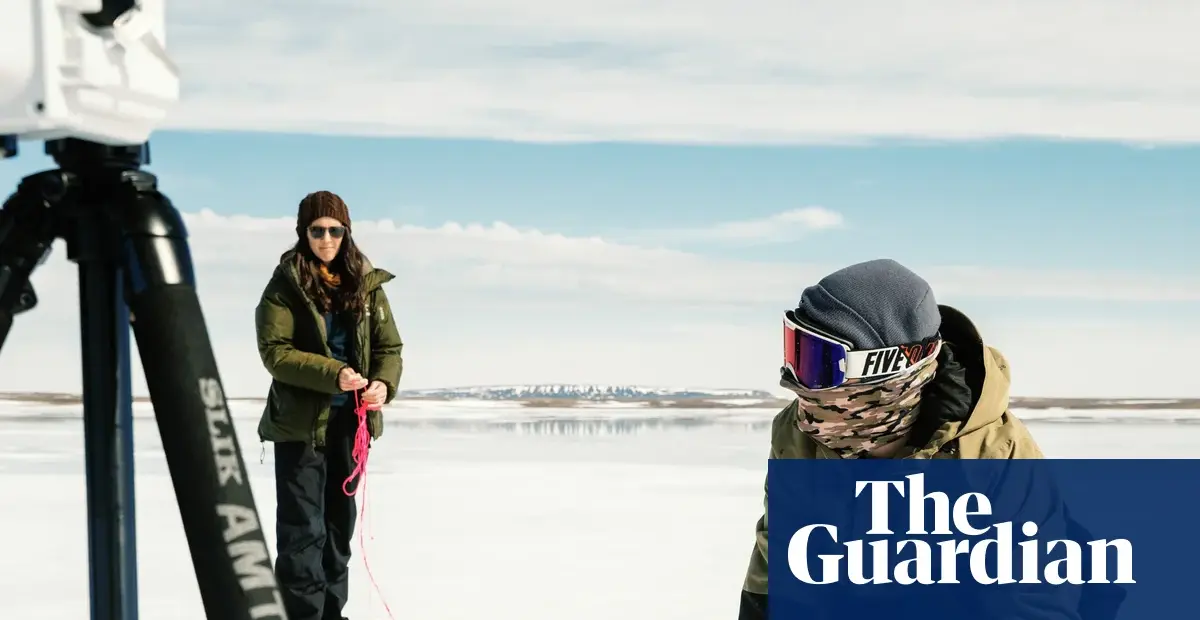
A journalist visited Cambridge Bay in northern Canada to observe the Real Ice project, which is attempting to refreeze Arctic sea ice. The visit occurred at the start of June, when temperatures were 5-10C above normal and the melt season had begun abruptly. Researchers drilled small holes in the sea ice and pumped ocean water onto its surface, which froze almost immediately and thickened the ice by about 50cm. The 450 metre by 450 metre area they worked on was melting more slowly than the surrounding ice, forming a reflective white island. The project is funded by a £3.5m grant from the UK government and aims to research the longer term impacts on temperatures and wildlife. Local Inuit people helped set up the experiment and continue to work on it. Next year, researchers plan to use underwater drones with heated probes to make the holes, with a rough estimate of $10bn needed over the longer term to halt the annual shrinking of Arctic sea ice. Some polar scientists have strongly criticized the idea, calling it unfeasible, environmentally dangerous, and a distraction from emissions cuts.
What’s reported
The journalist visited Cambridge Bay in northern Canada at the start of June.
Temperatures were 5-10C above normal during the visit.
Global heating has destroyed about 40% of the Arctic’s summer sea ice in the last 45 years.
Researchers from the Real Ice project drilled holes in sea ice and pumped ocean water onto the surface.
The pumped water froze almost immediately and thickened the ice by about 50cm.
The treated area was 450 metres by 450 metres.
The project is funded by a £3.5m grant from the UK government.
Local Inuit people helped set up the experiment and continue work on it.
Next year, researchers will use underwater drones with a heated probe to make holes.
A rough estimate of $10bn over the longer term is needed to halt the annual shrinking of Arctic sea ice.
Some polar scientists have strongly criticized the idea as unfeasible, environmentally dangerous, and a distraction.
Key figures
Real Ice project researchers (not individually named)
Local Inuit people (not individually named)
Sources: The Guardian