



UK science facilities face funding crisis, possible cuts

7 reported
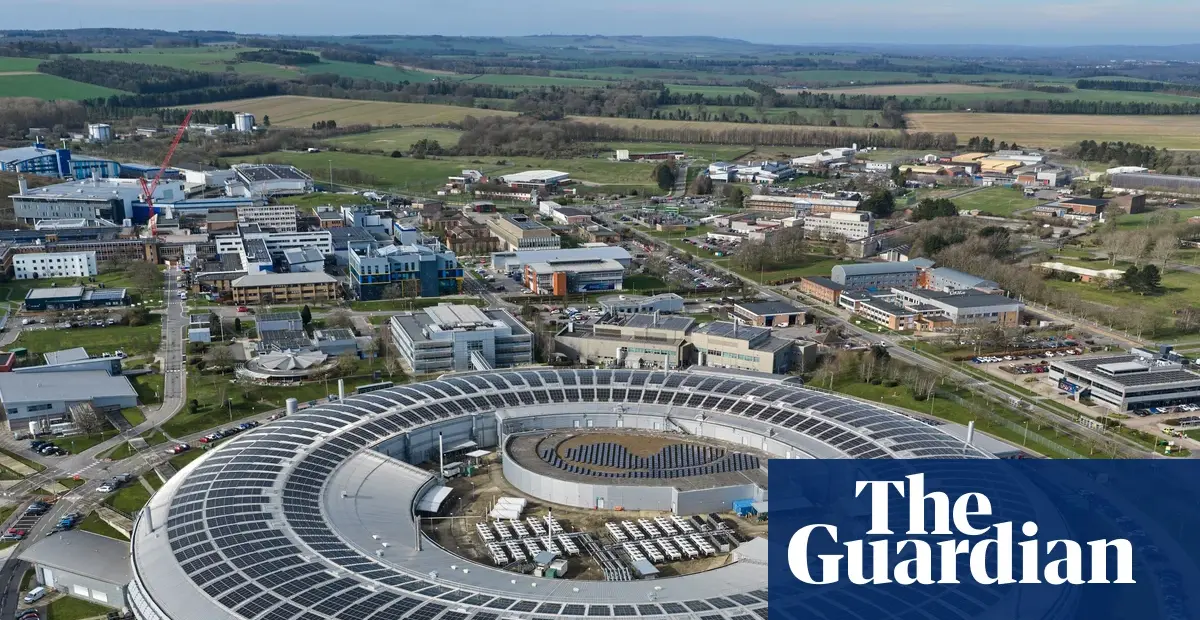
Britain’s scientific capabilities face potential “serious damage” as some national facilities risk closure under spending cuts being considered to meet rising costs at the government’s infrastructure funding agency, according to a report. The concern involves sites funded by the Science and Technology Facilities Council (STFC), including the Diamond Light Source and ISIS Neutron and Muon Source in Oxfordshire, and facilities at Daresbury Laboratory in Cheshire. Managers have been asked to find substantial savings after cost overruns from soaring electricity, staff costs, and high foreign exchange rates for international collaborations like Cern. Scientists said Diamond and ISIS are proposing cuts of 10% to 20% of annual spend to help STFC save at least £162m by 2029-30. The STFC aims to make most savings internally, but some cuts fall on research grants, which physicist Brian Cox called the “destruction of the future.” An STFC spokesperson said no decisions have been made and a prioritisation exercise is ongoing, with decisions expected in the autumn.
What’s reported
The STFC funds and operates Diamond Light Source, ISIS Neutron and Muon Source, and Daresbury Laboratory facilities.
Cost overruns arose from soaring electricity and staff costs and high foreign exchange rates for international collaborations such as Cern.
Diamond and ISIS are proposing cuts of 10% to 20% of annual spend to help STFC save at least £162m by 2029-30.
The Diamond Light Source produces beams of light 10 billion times brighter than the sun and is used to study materials like the Covid virus and Herculaneum scrolls.
The ISIS facility has been running at 80% capacity for two years due to cost pressures and has lost 10% of staff, most not replaced.
Prof John Womersley, former STFC chief executive, said closure of a facility is possible.
An STFC spokesperson said no decisions have been made and a prioritisation exercise is ongoing, with decisions shared in the autumn.
Key figures
Brian Cox, TV physicist and professor at the University of Manchester
Tom Grinyer, chief executive at the Institute of Physics
Prof Michele Dougherty, STFC executive chair
Prof Ian Chapman, chief executive of UK Research and Innovation
Prof Mark Thomson, former STFC executive chair, now director general at Cern
Dr Lucy Clark, associate professor of materials chemistry at the University of Birmingham and chair of the UK Neutron Scattering Group
Dr Andrew McCluskey, senior lecturer at the University of Bristol
Prof John Womersley, former STFC chief executive
STFC spokesperson (unnamed)
Sources: The Guardian