



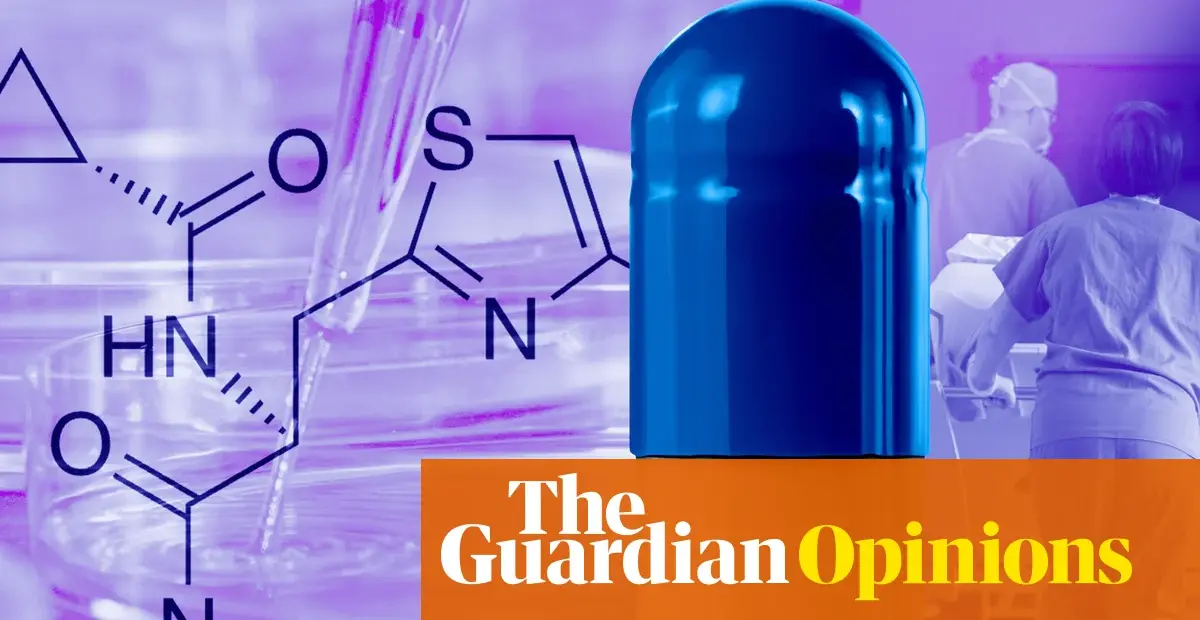
New cancer drug doubles survival time in pancreatic trial

7 reported
A new drug called daraxonrasib has doubled survival time for pancreatic cancer patients in a recent clinical trial, according to a report from the American Society of Clinical Oncology meeting in Chicago. The drug targets a family of molecules known as Ras, which have been considered “undruggable” since the 1980s but are now being addressed through advances in medical chemistry. The Guardian reports that the drug could also transform treatment for other cancers, with trials under way for colorectal cancers and small-cell lung cancers where Ras play a role. Additional breakthroughs include a new jab effective against head and neck cancers and a new immunotherapy that could spare bladder cancer patients invasive surgery. The article notes that survival rates have doubled in the UK since the 1970s, and Cancer Research UK’s head describes the current period as a “golden age for cancer research.”
What’s reported
Daraxonrasib doubled survival time for pancreatic cancer patients in a recent clinical trial, with patients living an average of 13 months instead of six.
The drug targets Ras molecules, which have been deemed “undruggable” since the 1980s.
Trials are under way to test daraxonrasib in about 40% of colorectal cancers and 30% of small-cell lung cancers.
A new jab is effective against head and neck cancers in some patients.
A new immunotherapy could spare bladder cancer patients invasive and life-changing surgery.
In the UK, only about one in 20 pancreatic cancer patients are still alive five years after diagnosis.
Survival rates have doubled in the UK since the 1970s.
Key figures
Michelle Mitchell, head of Cancer Research UK
Sources: The Guardian